Configure Now
Varer i handlevognen0
0Varer i handlevognen
Begynn å bygge pakken dinKjøp nå
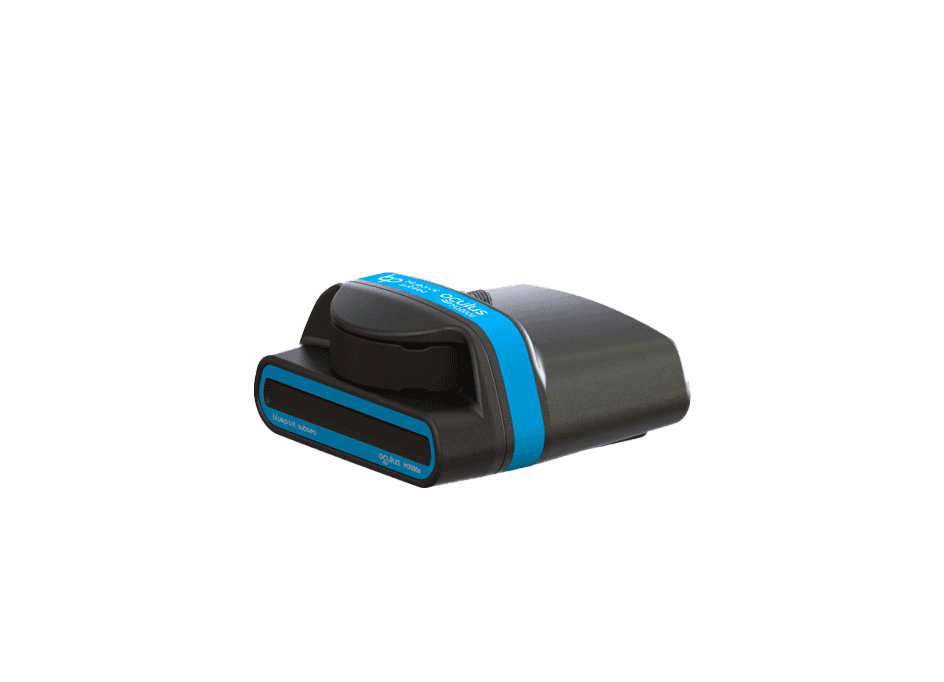
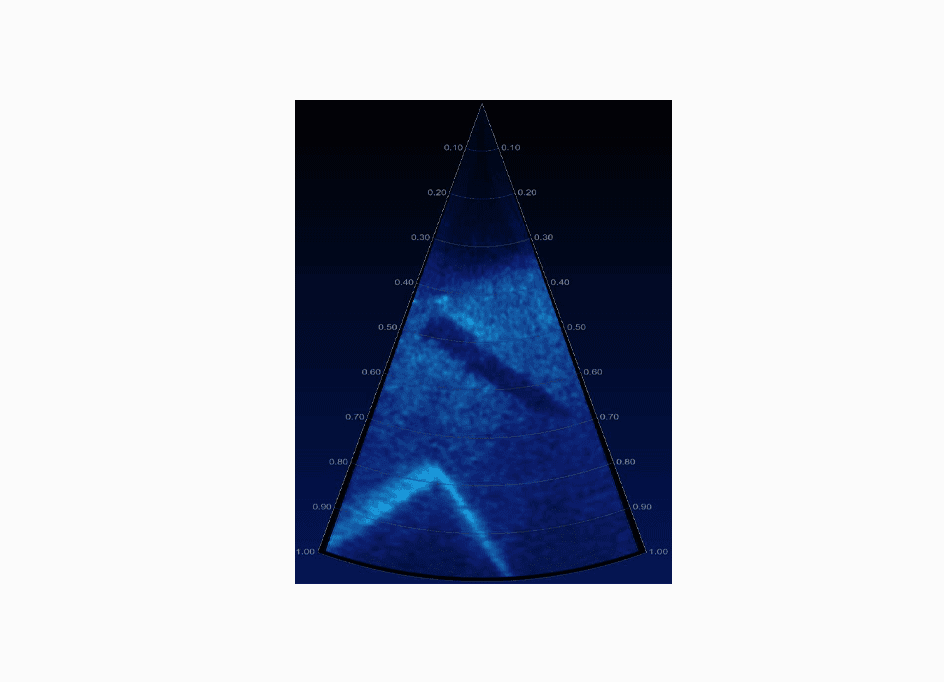
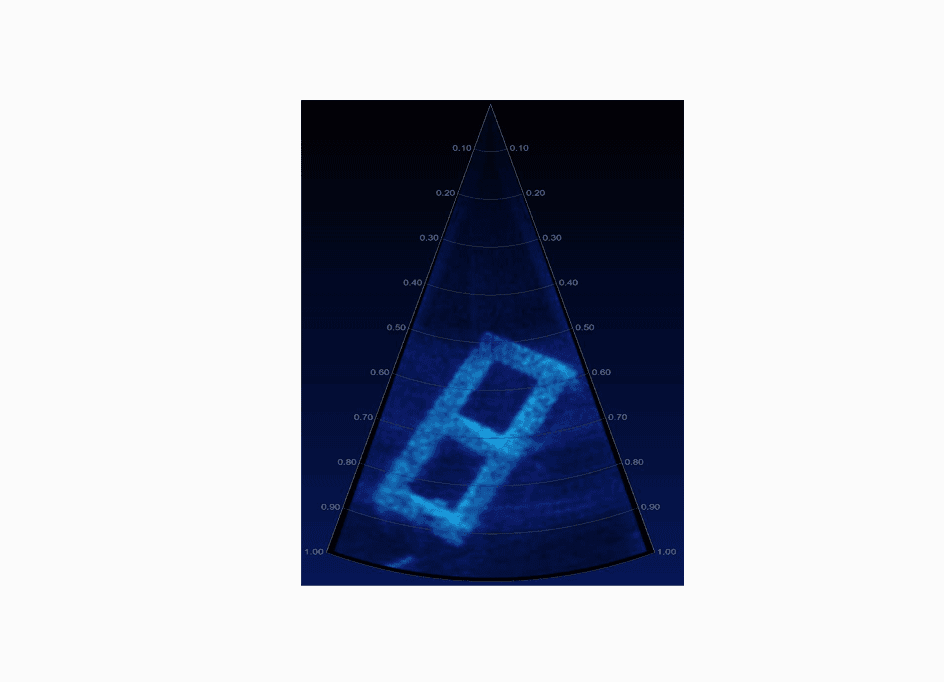
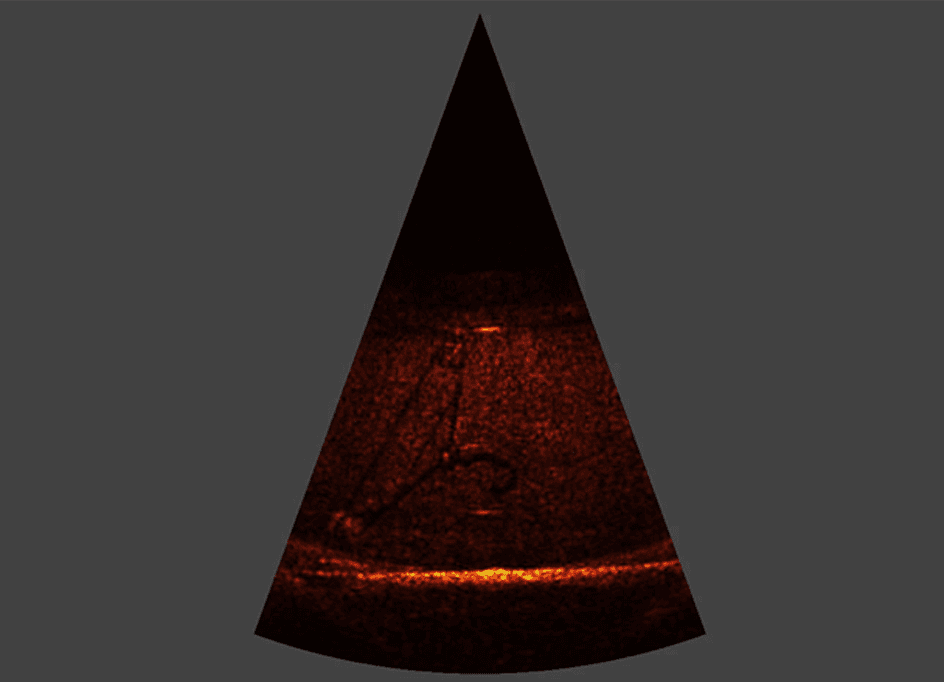
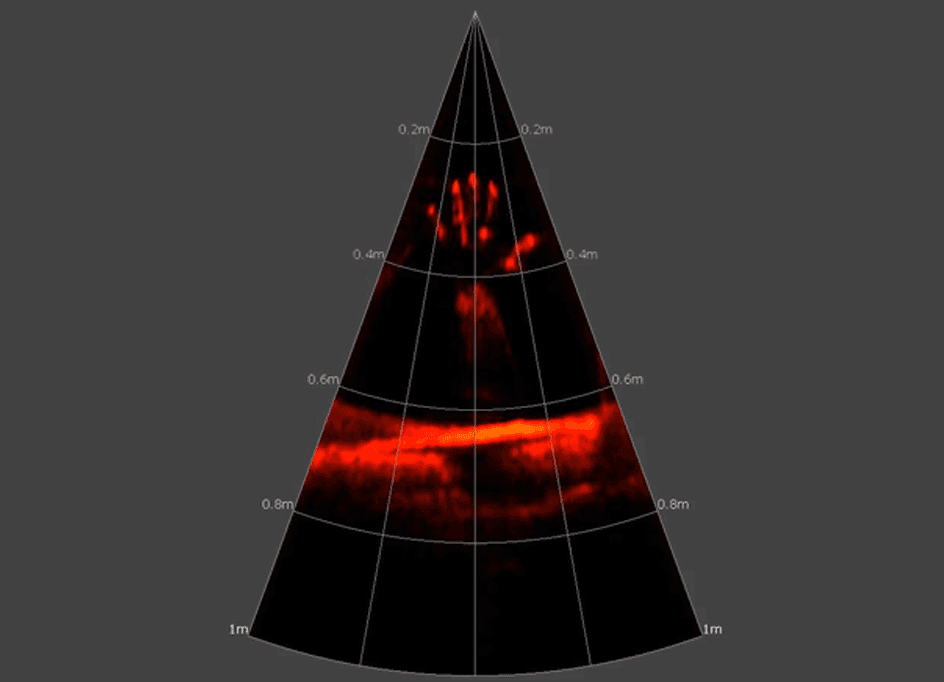
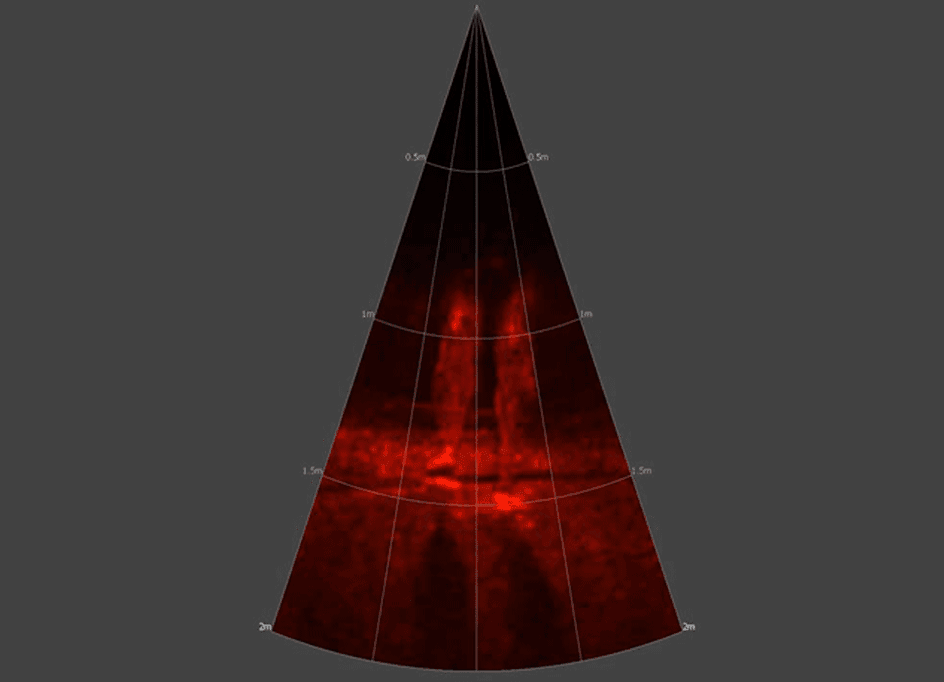
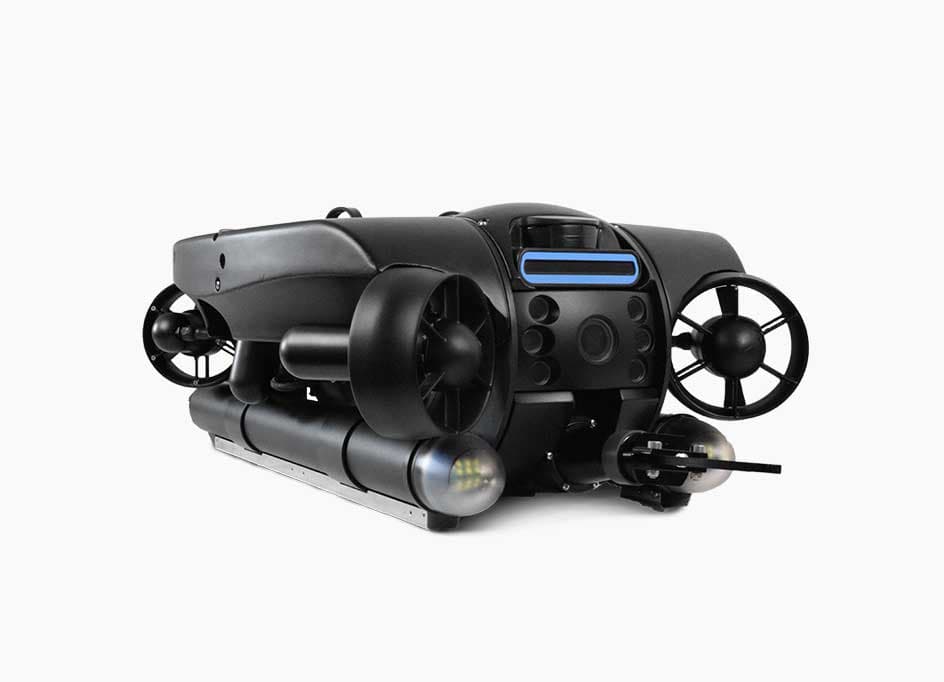
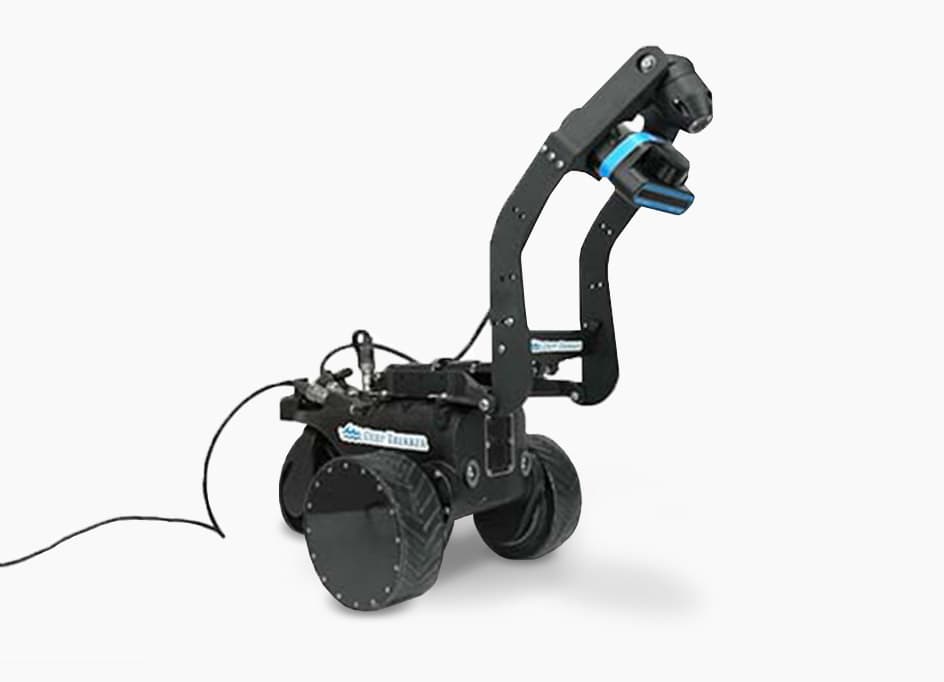
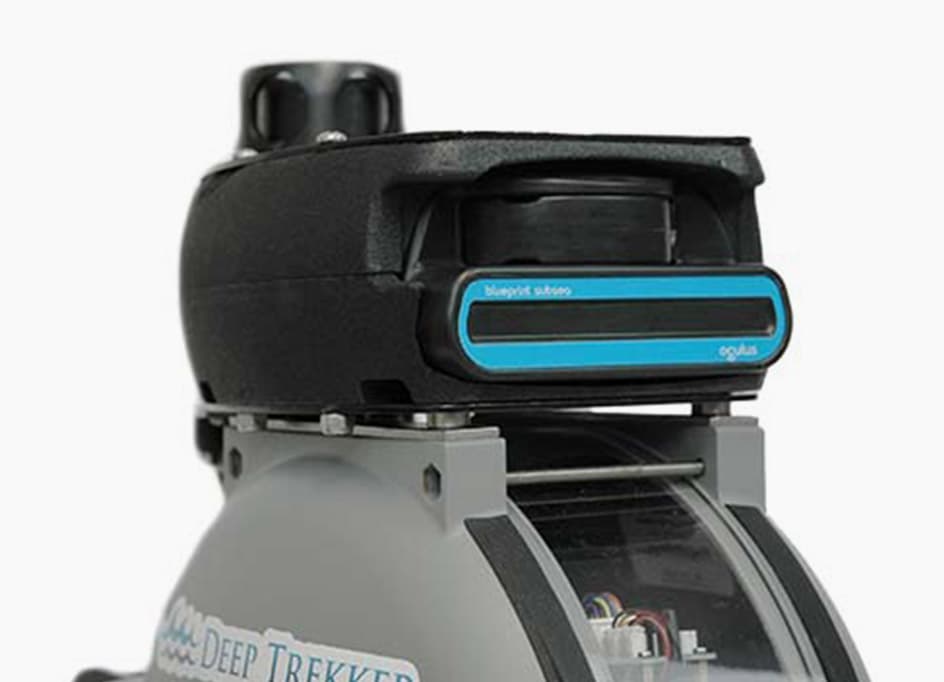
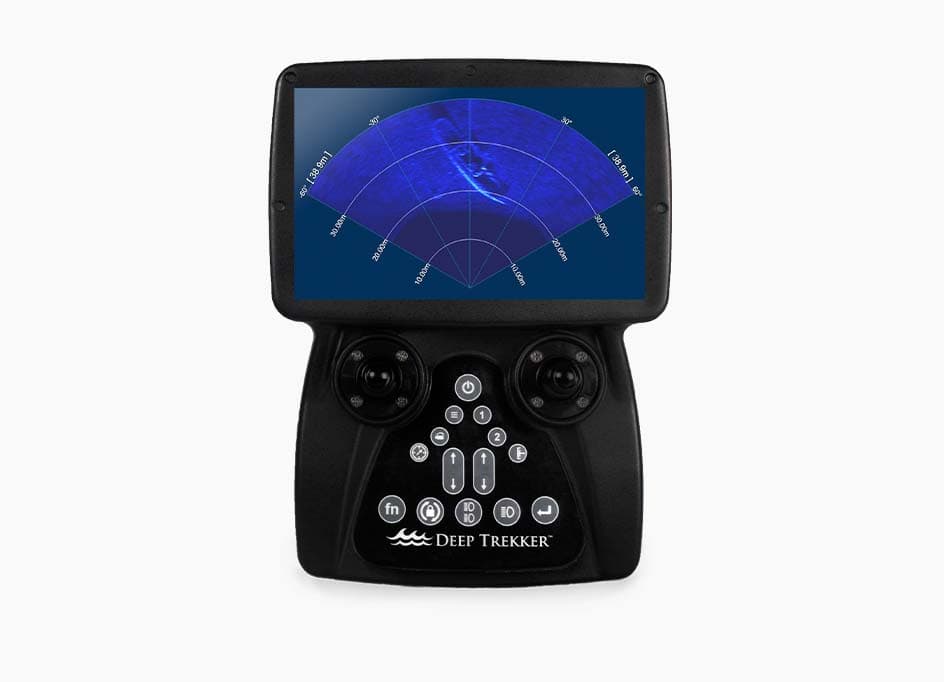


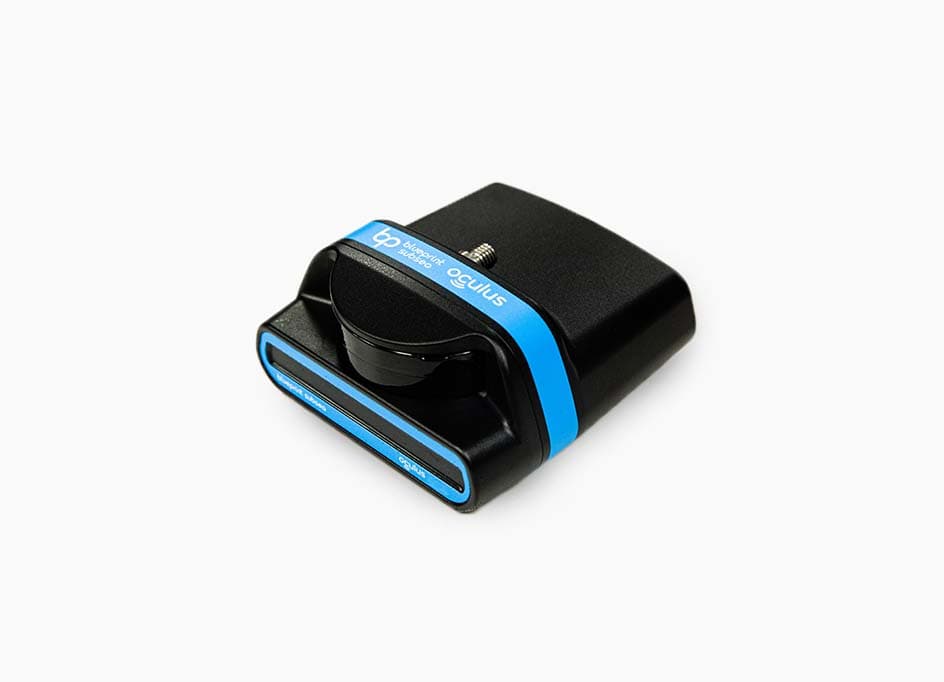
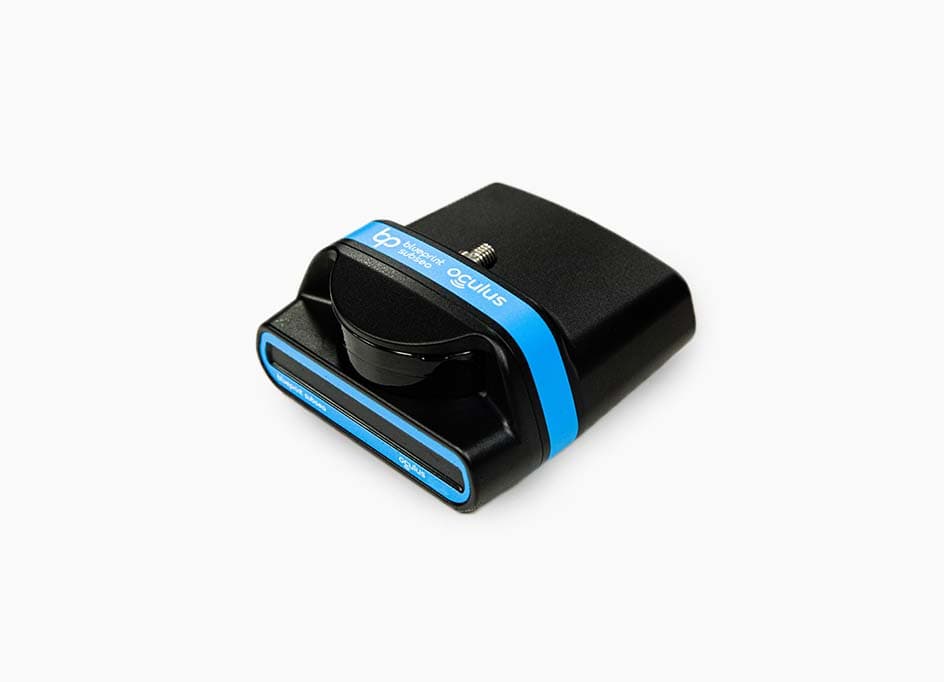
Performing inspections in murky water? The M3000D is the best sonar option for short range inspections. Utilizing the highest frequency in its class, the M3000D is perfect for identifying targets and close range navigation, as well as detailed inspections with the highest resolution of any 2D imaging sonar.
Kunne ikke legge til vare i pristilbud
Lagt til i tilbudet

Integrated into controller

0.1m to 30m range

Rugged construction

3m in Dual Frequency Mode
Performing inspections in murky water? The M3000D is the best sonar option for short range inspections.
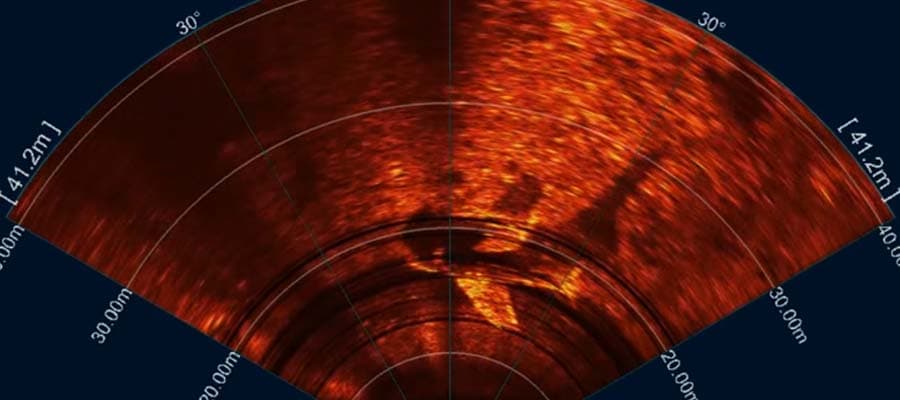
In Search and Recovery operations, First responders looking for evidence or drowning victims typically sweep an area using side scan sonar, identify potential targets and then investigate those targets to see if it is in fact the victim.
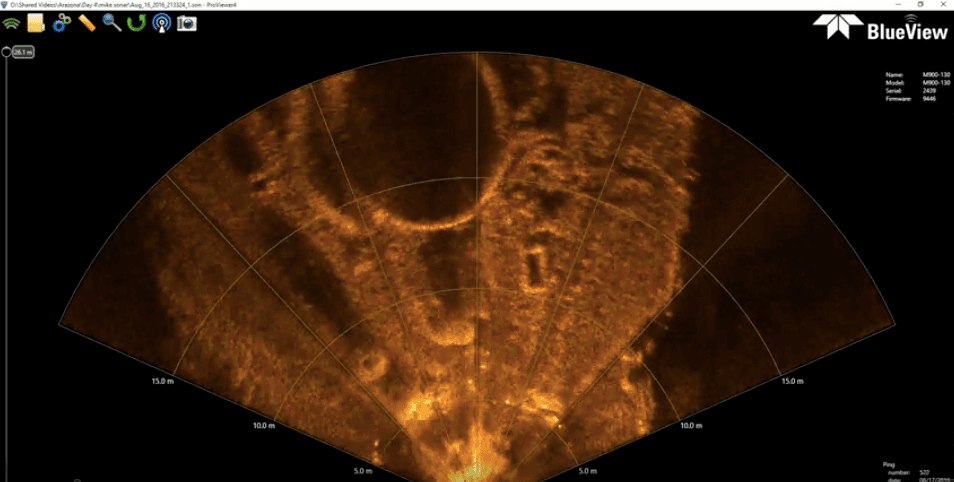
In inspection operations, particularly in murky water applications, it can be difficult to use just a camera to get an understanding of the condition of a structure.
For example, when inspecting the hull of a ship, you want to see if there are any major defects or corrosion, damage to the coating, zincs, anodes, propeller, check the coating condition, check if the hull needs to be cleaned.
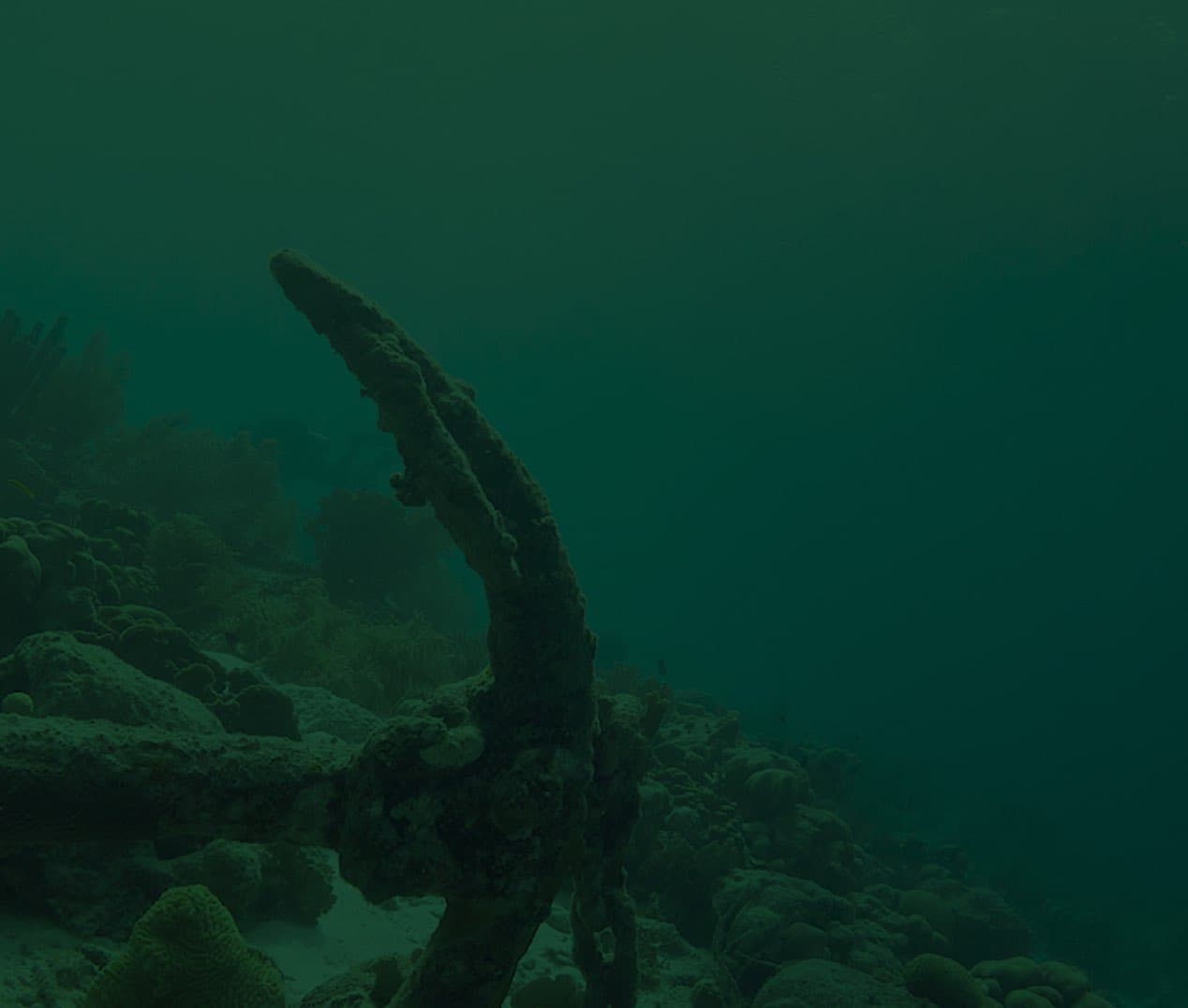
Cameras and diver’s eyes often are unable to effectively search due to poor visibility underwater. An imaging sonar is the best tool to then reidentify the target, since oftentimes side scan data does not produce an exact location (so navigating back to the potential target can be difficult). Once the target is reidentified, the sonar can be used to continue to track the target as you move closer, and when you get close enough, it can even be used to perform the visual verification.

Vi bruker informasjonskapsler til å samle inn informasjon om hvordan du bruker nettsiden vår for å tilpasse og gjøre opplevelsen din bedre. For å finne ut mer om hvilke informasjonskapsler vi bruker, se Privacy Policy.