Configure Now
Items in Your Cart0
0Items in Your Cart
Start building your packageShop Now
Underwater inspection is one of the few areas of marine operations where the cost of the inspection is almost irrelevant next to the cost of not having it. A fouled thruster, a suspected grounding, a rudder of unknown condition - the vessel does not move until somebody puts eyes on the problem. Historically that meant a dive team, a 24-hour lead time and a five-figure invoice. Now, it can mean an inspection-class ROV in the water inside five minutes.
Proteus Marine Ltd is a case study in what happens when an operator builds a business entirely around that shift. This article looks at the numbers on both sides of the transaction: what ROV inspection saves the vessel owner, and what it returns to the contractor who invests in the platform.
Because he could not source the service he needed. Bill Mawhinney ran the repair dry dock at Harland & Wolff in Belfast, and in a single autumn he had roughly six vessels in a row that needed divers purely for a visual assessment.
The wait averaged two days, the cost was substantial, and the deliverable was a GoPro strapped to somebody's head. He asked the dive teams about a camera on a stick instead and got a flat no. He put an ROV business case to the yard and got the same answer.
"So I said, I'll just do it myself then."
The market had already voted. Shipping agents in Belfast Harbour had largely stopped offering diving - too laborious, too expensive, too hard to organise - and customers asking for divers were told to look elsewhere. Mawhinney had the subsea systems background and the agent relationships from the repair side of the yard.
Proteus Marine was founded by Mawhinney, a former Royal Navy weapon engineering officer and ship repair manager at Harland & Wolff. Incorporated on 19 October 2025, it took delivery of its first Deep Trekker PIVOT in February 2026 and was operating commercially by the second week of March. The first vehicle paid for itself in three months.
That first job covered rudders, propellers, the bilge keel and the sea chests, with live video streamed to the master in his cabin. "Almost without incident," Mawhinney said. "We did a test dive to get used to the conditions, came back the next day, and inside an hour and a half everything was inspected. The footage was far, far better than anything I'd seen from divers."
Roughly £5,000 for a visual scope, and at least 24 hours of mobilisation, assuming a team is available at all. Availability is the harder constraint: for a class-aligned hull survey or a pre-docking inspection, the work has historically moved outside the UK and Ireland entirely, partly because of water conditions and mainly because of a shortage of dive teams, particularly class-approved ones.
"For clients who rely on getting back on their route as soon as possible, the dive option simply did not provide the service they required."
That is the gap Proteus Marine was built into: not a cheaper diver, but a capability that can answer the question inside the window the vessel actually has.
"Where ROVs stand out is mobilisation and deployment times. The PIVOT can be launched into the water within less than five minutes of being on site. That means the customer can find the source of the problem very quickly and make a decision."
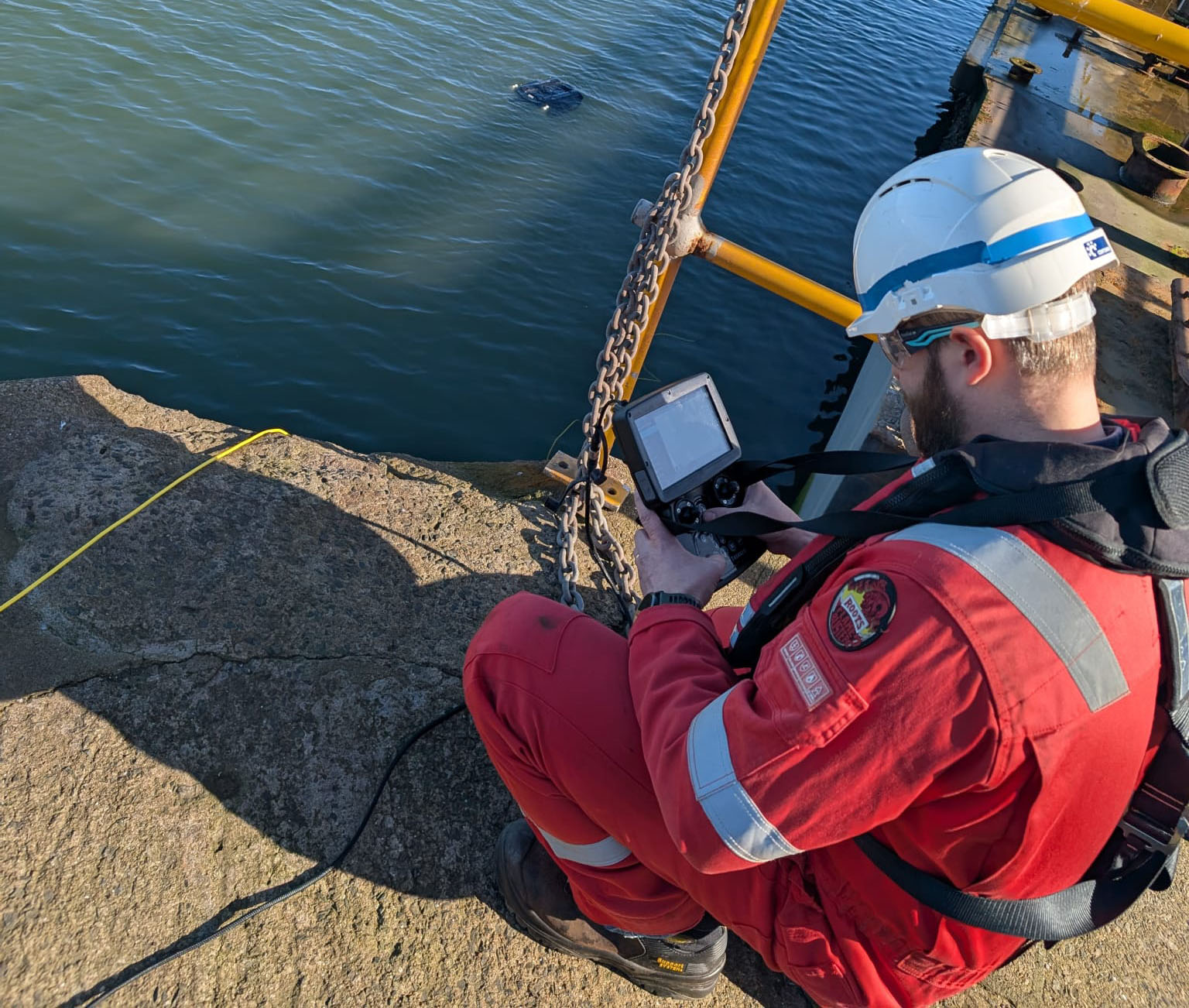
Mawhinney is equally direct about the boundary, which matters more for credibility with ship managers than any capability claim would: "Divers still have a massive part to play. They remain the primary choice for any intricate or detailed work… removing a rope, fouling a propeller, or conducting tail shaft wear-downs."
The division is diagnosis versus intervention. The ROV establishes what is wrong, how bad it is, and whether a person needs to enter the water at all. When the answer is yes, the dive team arrives with a defined scope instead of a search task, which reserves dive time for the tasks that actually require it.
It sails with an unanswered problem, or it calls someone with an underwater ROV.
A cruise ship inbound from northern Norway had a suspected underwater issue and could not secure a dive team in Belfast or in either of its next two ports, Dublin and Liverpool. The vessel was alongside in Belfast from 1300 to 1900. Six hours, poor visibility in the channel, and live marine traffic. Given the window, Proteus Marine's ROV was the only option available to identify the source of the problem.
The inspection was roughly ninety minutes of work. The crew's reaction, once they understood the acquisition cost of the vehicle doing it, was to ask where they could buy one.
"I always say to them: get onto Deep Trekker and buy one for the ship. It'll pay for itself inside a year."
Cargo vessels run to fixed timetables; cruise ships carry hundreds of passengers with onward connections exposed to the same delay. Which is why the scope is written around decision speed rather than survey completeness.
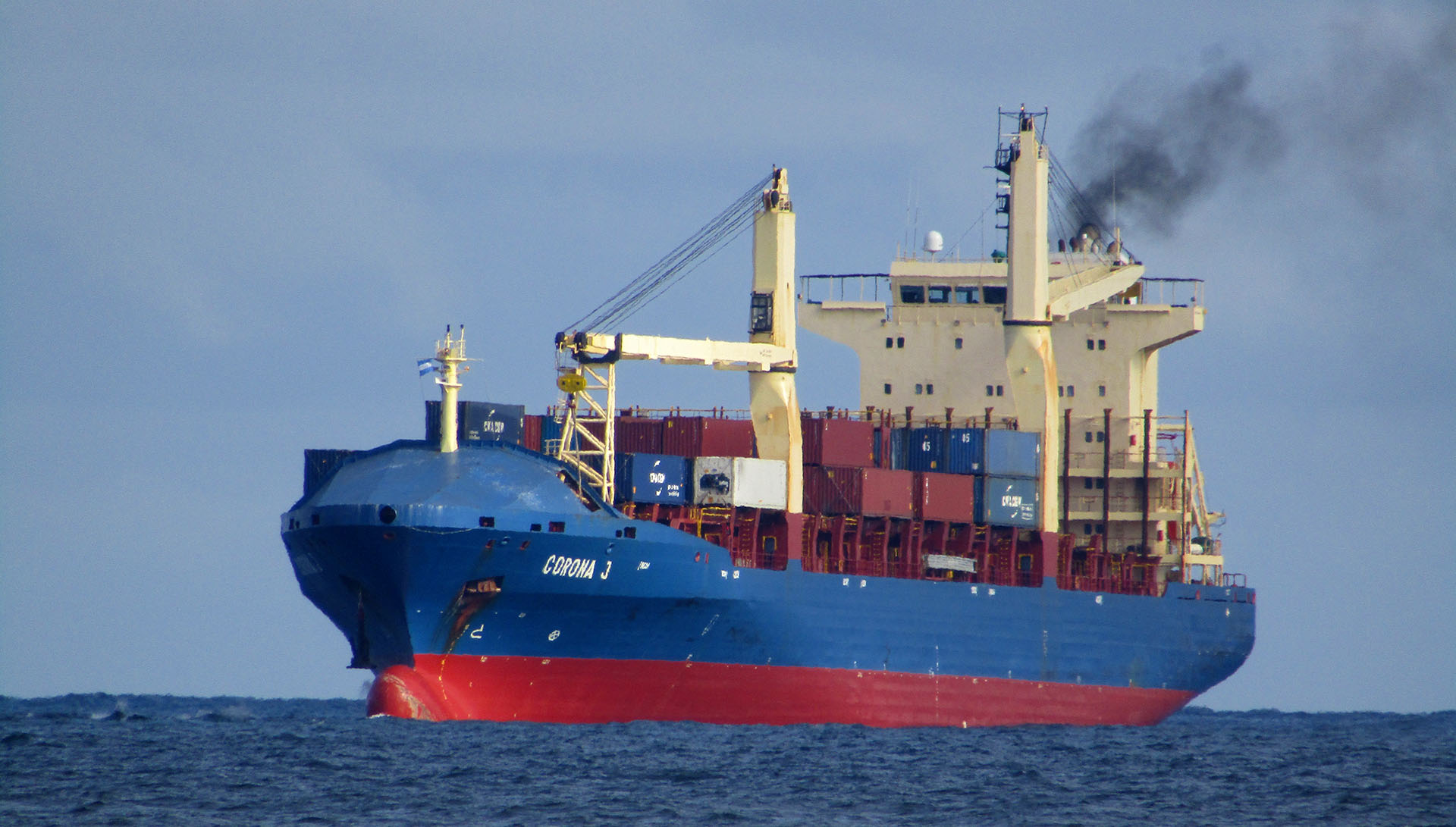
"Finding the source of the problem or issue quickly is a huge strength for Proteus Marine, because it gives the vessel owner the information they need to make critical decisions. That could be to continue on their journey, book dive teams at the next port, or possibly even dry dock."
The product is not a report. It is a defensible answer, delivered before the ship has to move, that lets a master or a technical superintendent commit to a course of action.
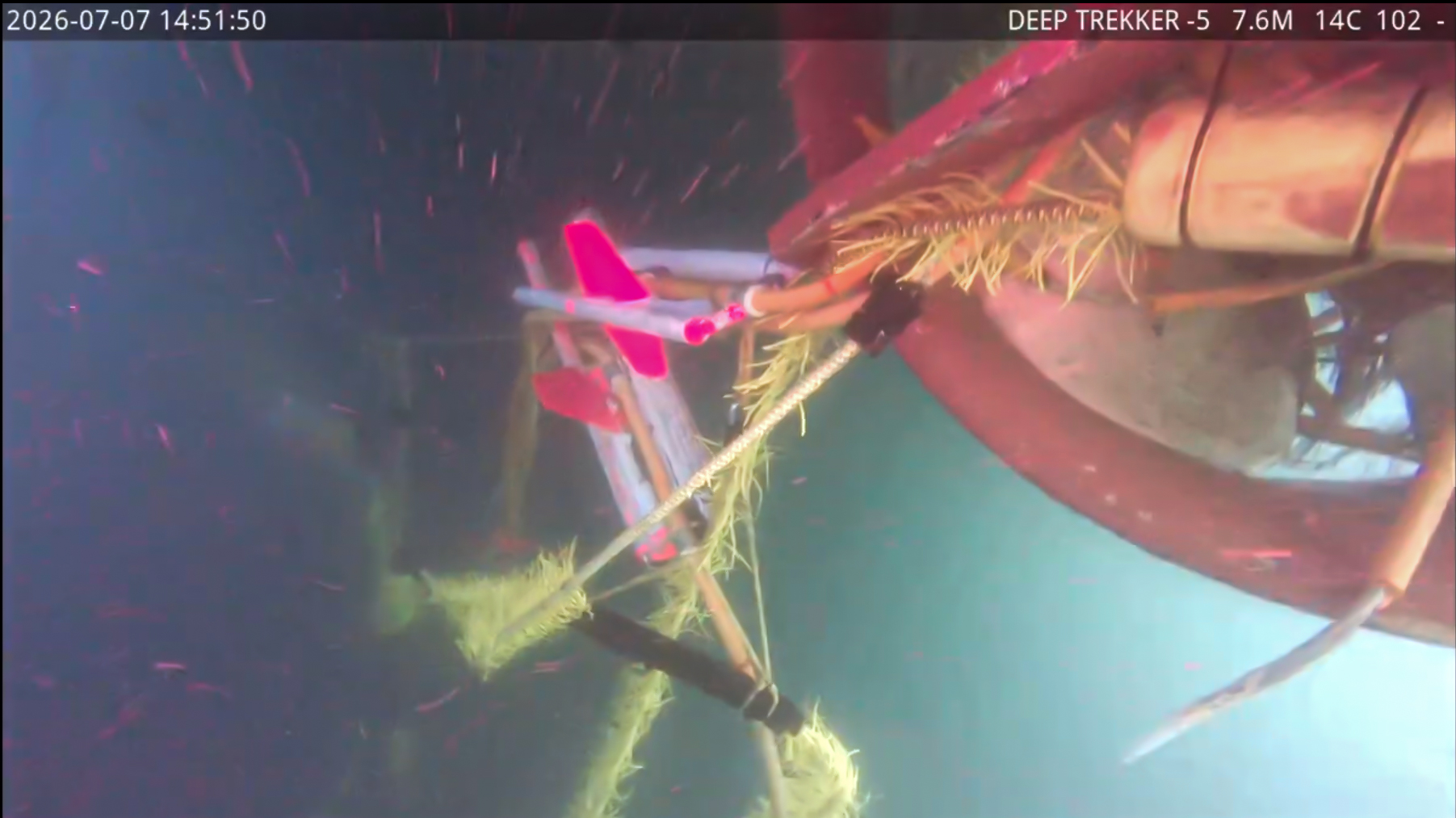
In this case, yes, and the alternative was a tow. A seismic vessel off North Wales had been surveying seabed for wind farm planning when it turned onto itself and fouled the forward thruster with its own streamed sensor cables. Nobody knew how bad it was or where the cables had run.
The agent called on Friday; by Sunday it was an immediate requirement, and Mawhinney took a last-minute ferry across to be on site Monday morning. The operating picture was hostile: approximately ten nautical miles offshore, three knots of current, and a two-metre swell even at slack tide. He worked from a crew transfer vessel, physically strapped to the bow, and flew the PIVOT onto the forward thruster single-handed.
"All the previous inspections had been in my own backyard, essentially… fairly easy, and it reported well. This was a totally new environment, a totally new type of ship, a totally new scenario. We stuck to standard operating procedures, did it with an acceptable amount of risk, and the results were fantastic."
The client received close to a 360-degree view of the thruster and the cables drawn into it, and used it to assess the damage and plan the recovery. That let them avoid dry docking; without it, the vessel would have been towed to the next available dock, expensive on its own and weeks off station.
The imagery was good enough that the client extended the engagement by a further three or four days. Anglesey Marine Services supported the operation locally.
Three months, in Proteus Marine's case, and that figure includes a testing period and a customer base limited to a handful of agents in one home port.
"Effectively three months after starting the business, the first ROV paid for itself." - Bill Mawhinney, Proteus Marine
Every figure here is Mawhinney's own account, from a company whose first accounts are not due until 2027. The operating picture he describes:
Cost and time removed from a routine emergency inspection
| Parameter | Commercial dive spread | PIVOT ROV — Proteus Marine |
|---|---|---|
| Personnel on site | 4–5 divers, plus safety boat | 1 operator (2 offshore) |
| Mobilisation lead time | 24 hours minimum, if available | Hours; on site next day for offshore callout |
| Site arrival to in-water | Full dive spread set-up and permitting | 5–10 minutes, after a 30-minute brief |
| Typical inspection duration | Half to full day | Under 2 hours |
| Indicative cost, visual inspection | ~£5,000 | ~2/3 of dive team cost |
| Deliverable | Helmet-camera video | Live feed to master, structured report, 3D scan option |
Figures are indicative, based on Proteus Marine's Northern Ireland and Irish Sea operating area. Costs vary by harbour, vessel and scope.
Two vehicles is the stated professional minimum, not a luxury. "If your whole business is built around an ROV and that ROV goes down, you have to at least have a spare." The second is not a straight duplicate, though: it includes the 300 m tether and extended battery pack, which is what makes longer and more distant deployments possible, and it is the vehicle configured to carry the stereo camera. A third is under consideration, the choice between another PIVOT and a REVOLUTION resting on what customers ask for.
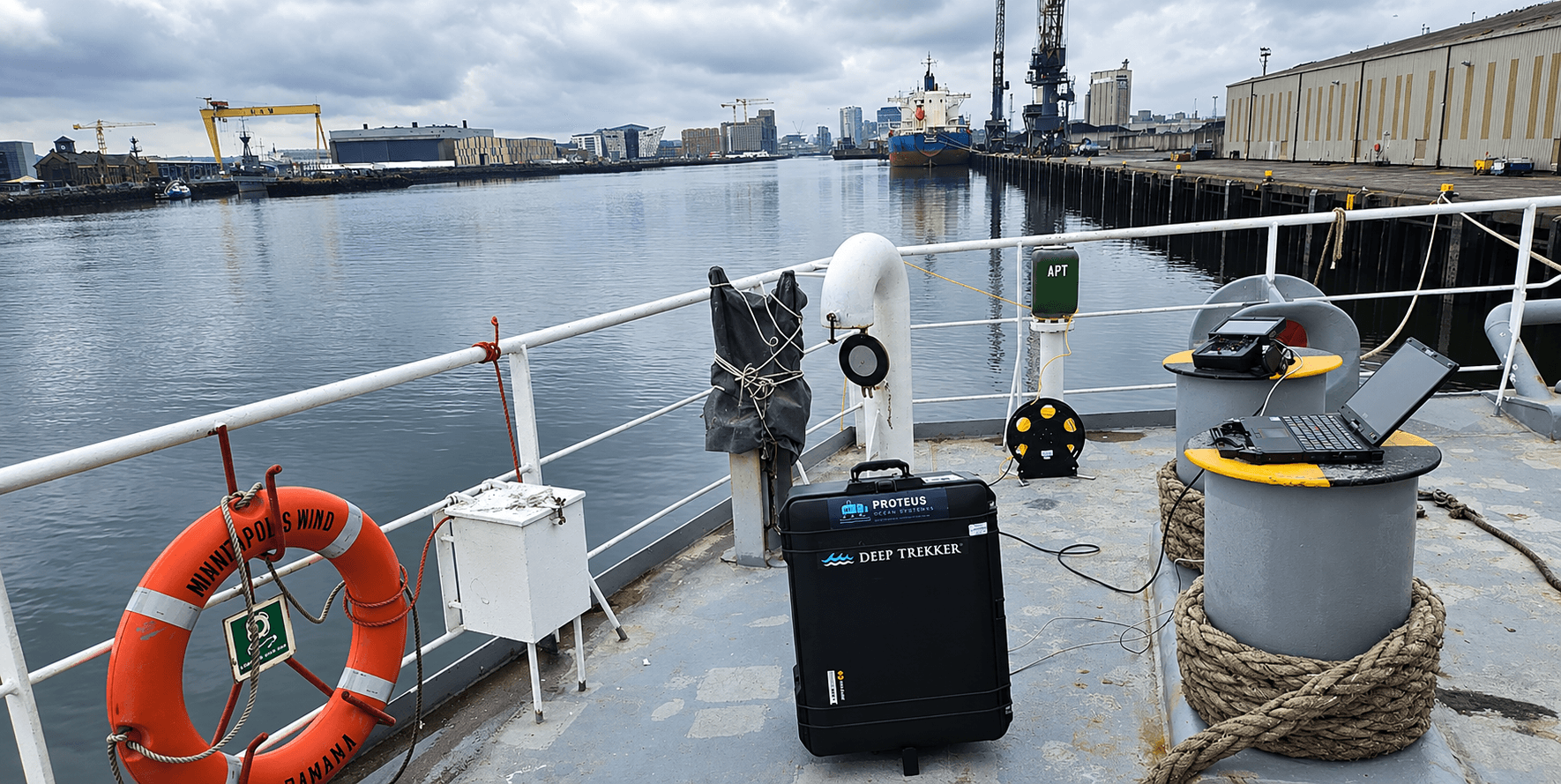
One person, one van, and in the water within ten minutes of parking. Keeping the crew count at one is a deliberate cost control passed through to the customer.
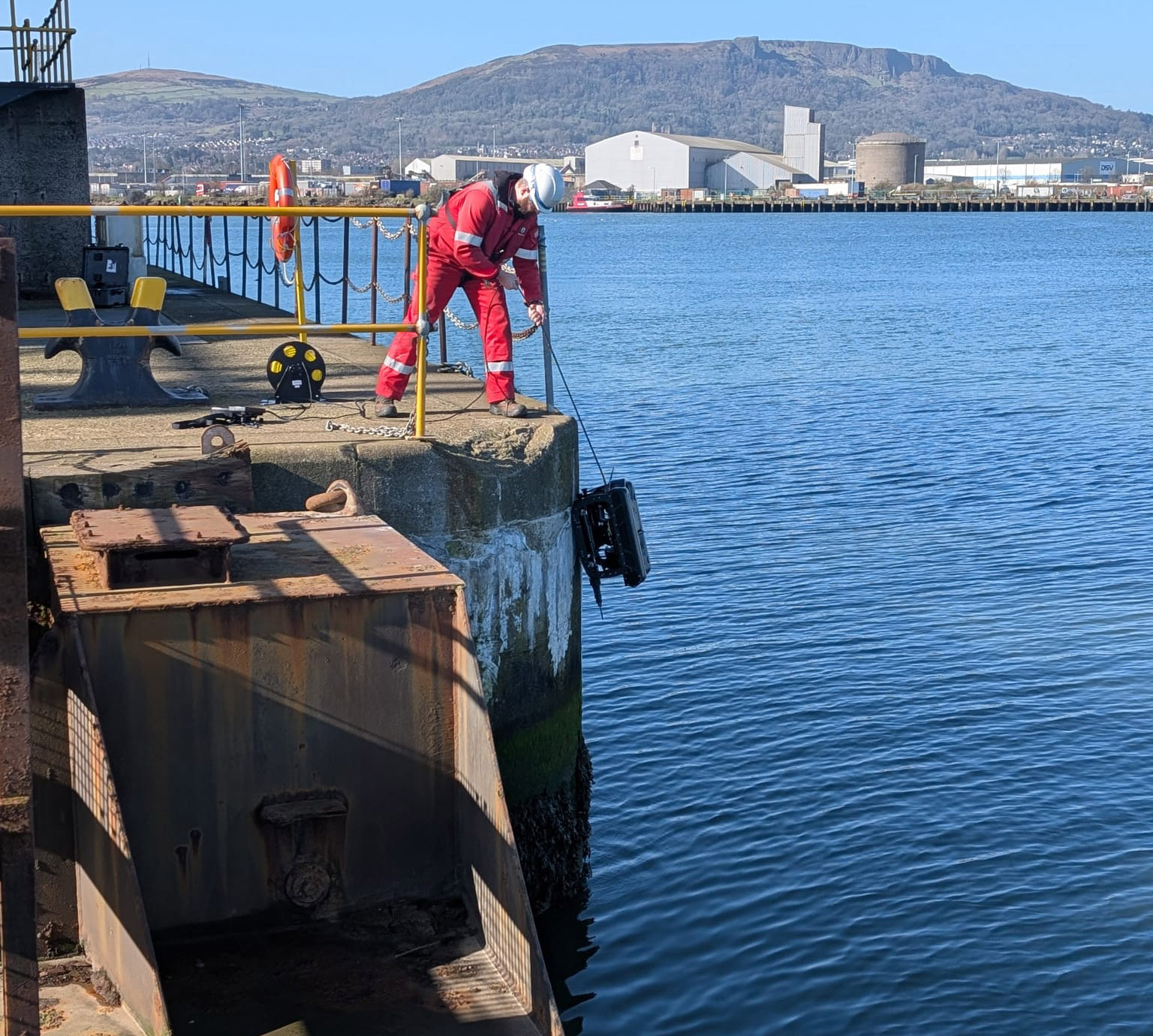
The sequence on arrival is fixed. Before any equipment comes out, Mawhinney meets the master and chief engineer to agree on the issue, the dive plan, the isolations required, and any hazards such as sea chests on the hull. That takes no more than thirty minutes, and it is short precisely because nobody is entering the water.
From there the vehicle goes in within five to ten minutes, runs function tests, and completes a test dive to characterise conditions before moving to the affected area. A typical inspection runs under two hours. The PIVOT Expert package, supplied through Spectis Robotics, includes a second battery set, which makes two back-to-back inspections in a day straightforward.
The kit fits into a relatively small van, which sets the operating radius by road and ferry rather than freight logistics: Belfast, Larne, Dublin Port, and across to North Wales and Anglesey.
"When on site it's crucial to have a system I can deploy and recover manually, without the need for heavy lifting equipment. The PIVOT does this perfectly."
That is what makes short-notice, single-vessel work economically viable. Anything that needs a crane, a generator, or a full marine spread comes with a minimum mobilization cost, and a two-hour inspection will never cover it. Drop that minimum and scattered jobs across three jurisdictions becomes a route worth running.
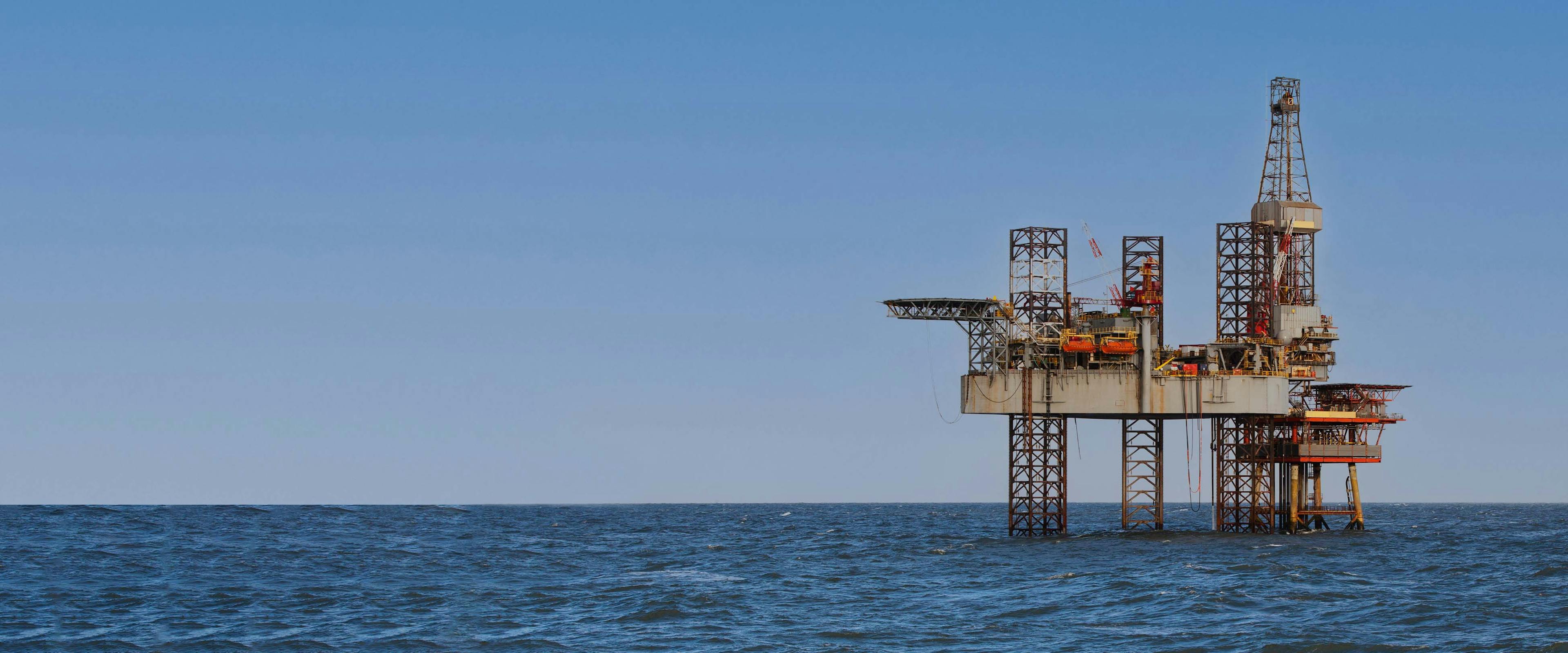
Learn how Deep Trekker's ROV successfully completed riser inspections under challenging offshore conditions, enhancing safety, efficiency, and reliability.
It moves the output from evidence to measurement, and it changes who the customer is. Mawhinney priced a high-end subsea scanner at around USD $50,000 before sourcing a stereo camera at roughly a third of that, then mounted it on the PIVOT with a power supply upgrade as a precaution, a bracket, and a cable.
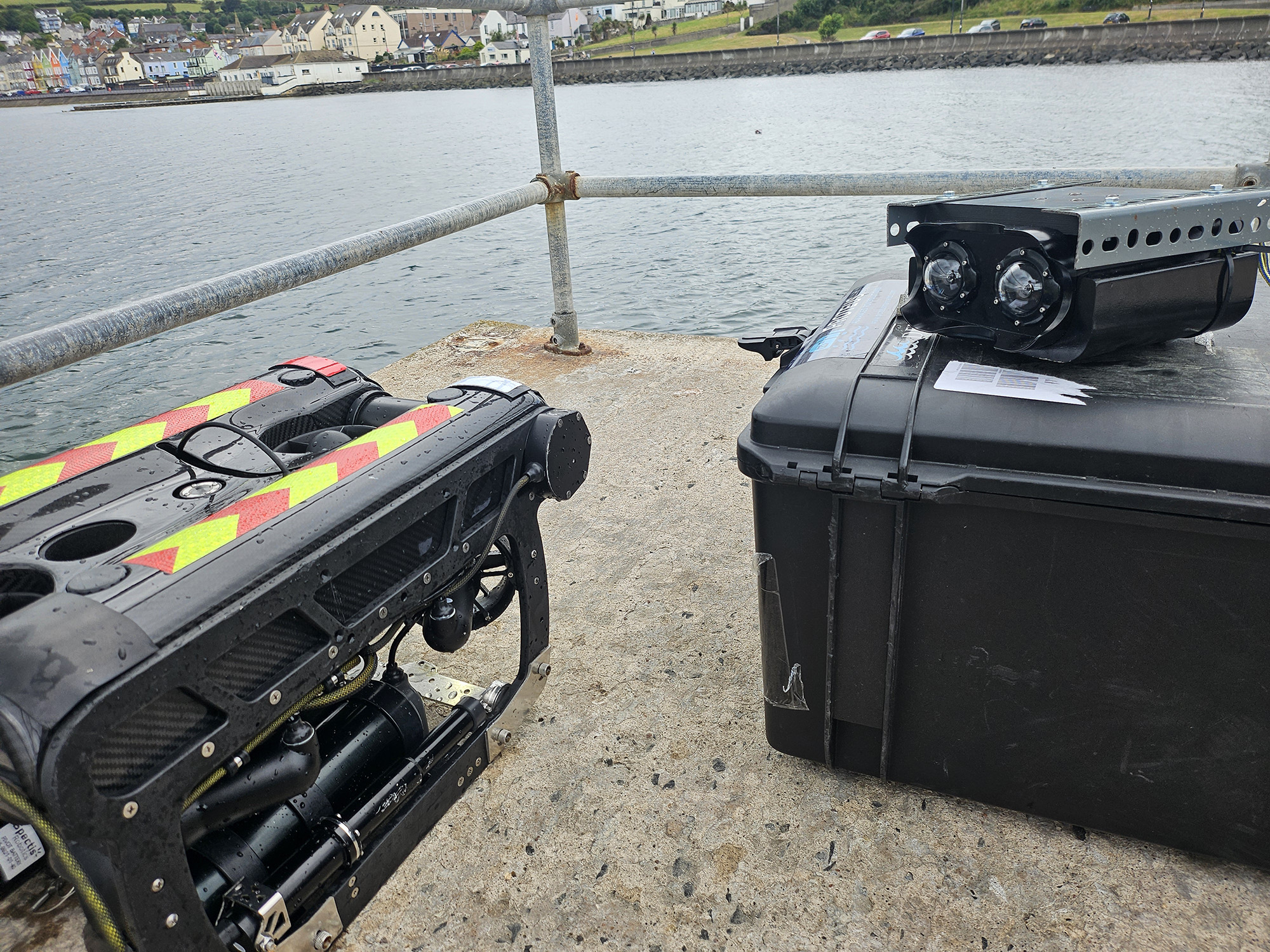
"One of the reasons I chose Deep Trekker and the PIVOT was the ease of integrating these peripherals into the main system and then pushing it through to the laptop. It was almost seamless."
Early trials have concentrated on dock walls and piers. The scans of those marine civils alone were enough to attract interest from one of Ireland's largest marine surveyors, a customer category emergency hull inspection would never have reached. Vessel trials follow through the late summer.
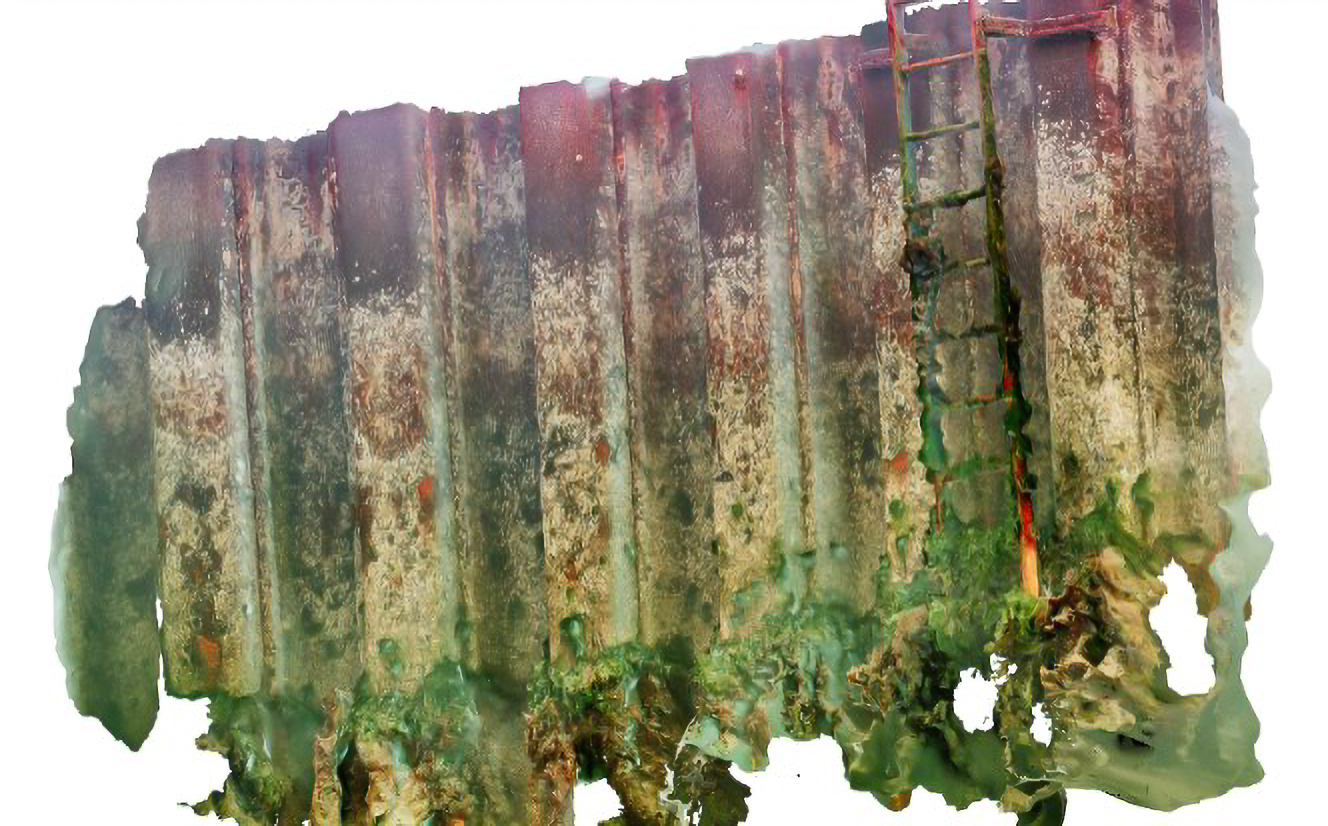
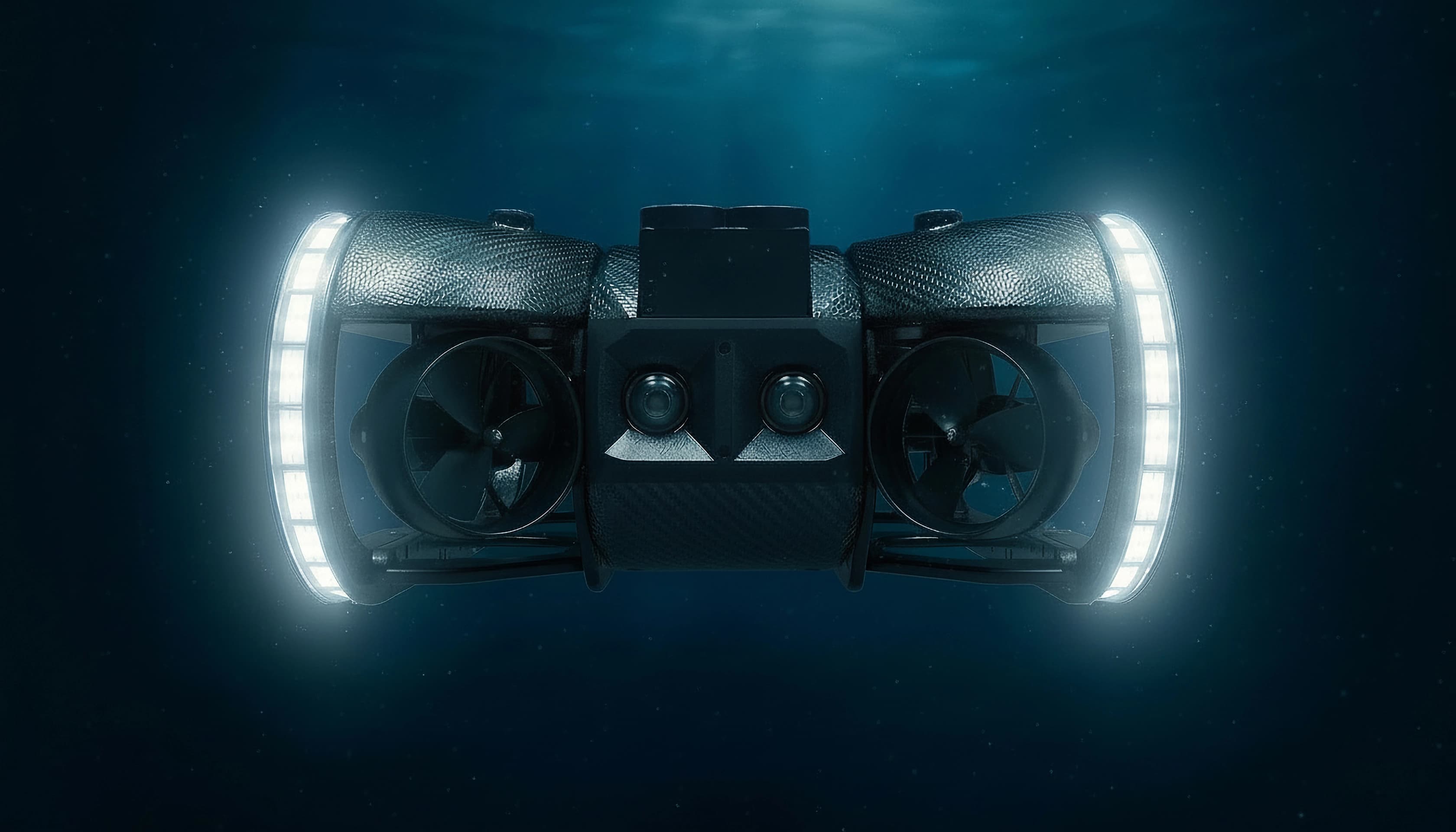
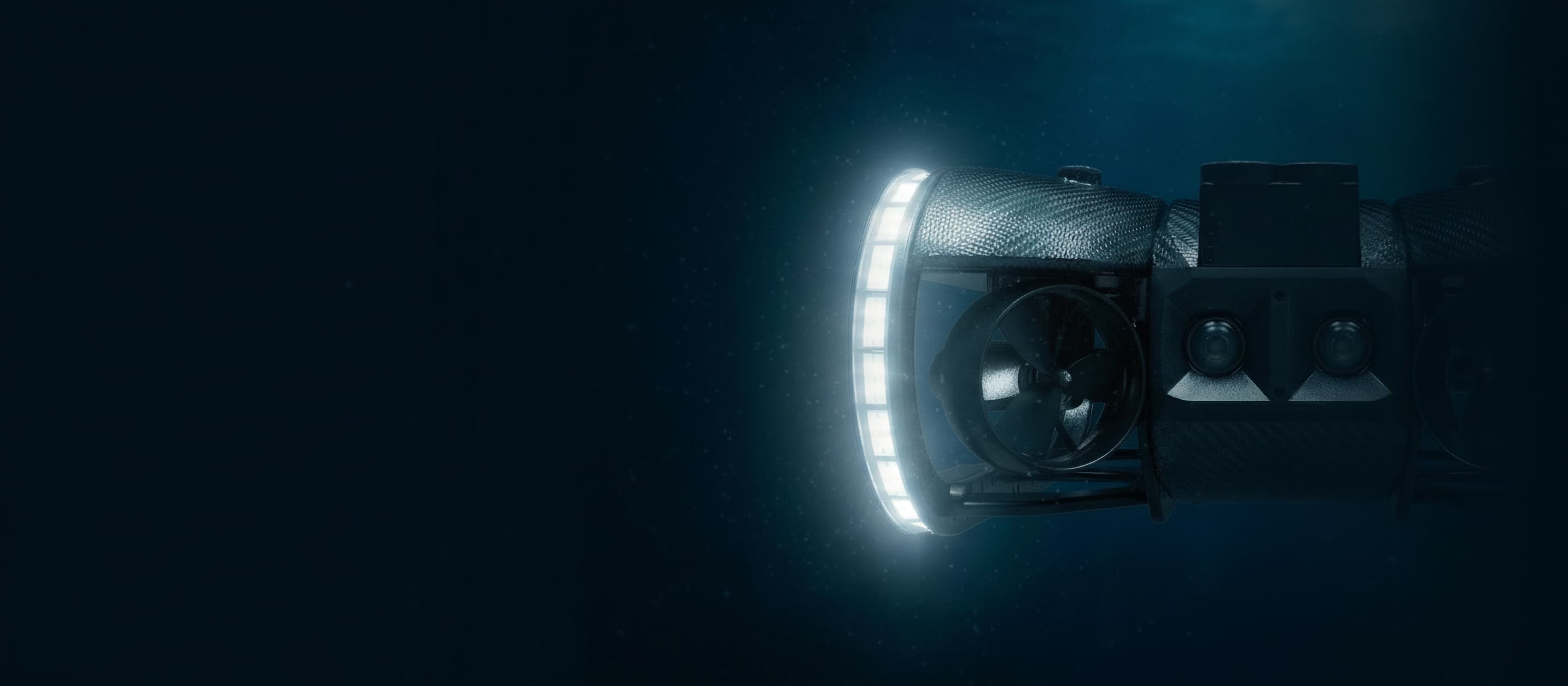
That integration step is now optional. SPECTRA carries factory-calibrated 4K stereo vision on the vehicle, so 3D capture is native rather than bolted on: no power supply upgrade, no bracket, no field calibration.
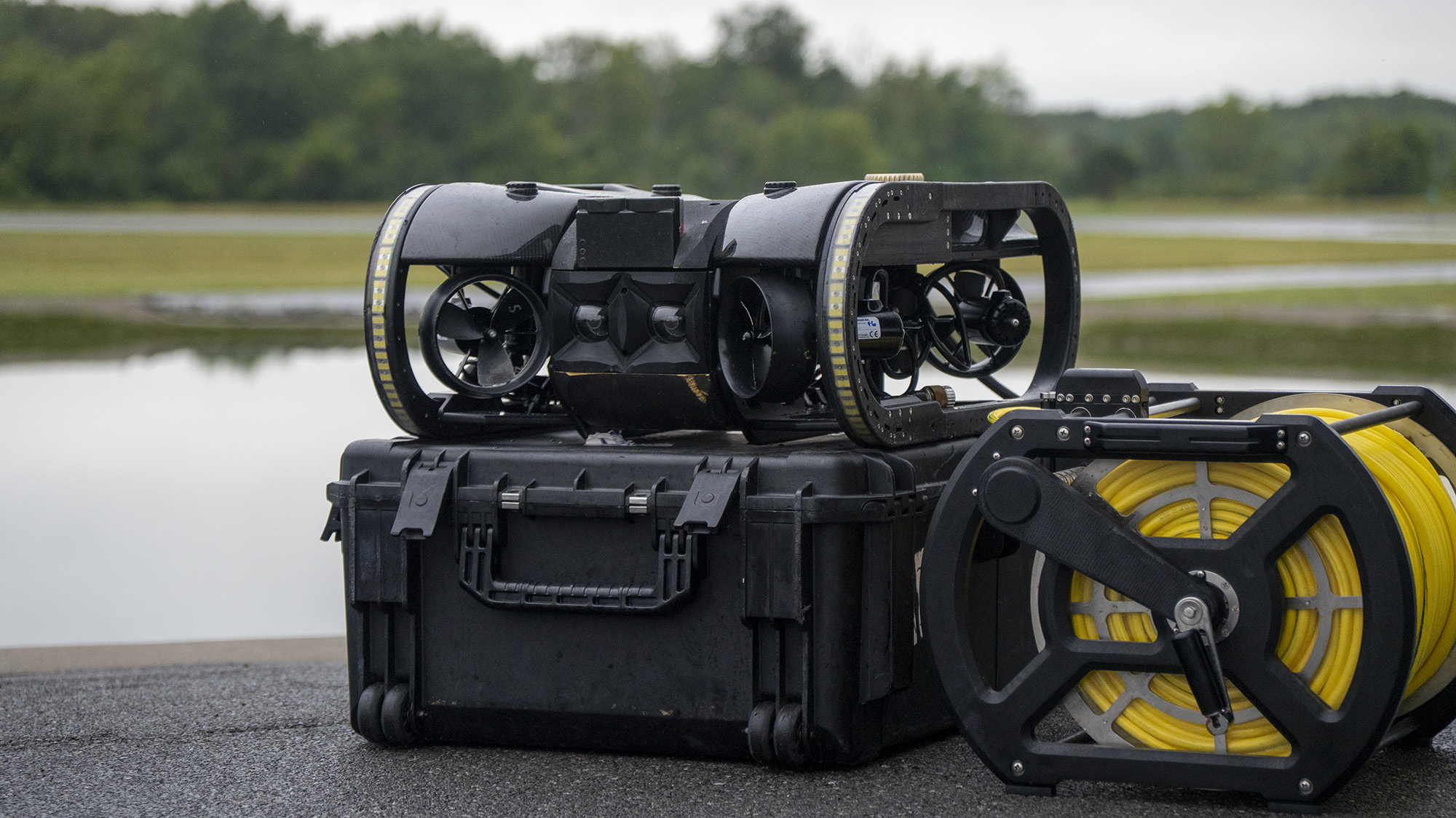
The wider roadmap applies the same logic repeatedly: echo sounder, DVL for station keeping and Dead Reckoning, ultrasonic thickness testing, and cathodic protection probes, all on one vehicle. A BRIDGE Box, ordered shortly after the stereo camera first went on with what Mawhinney called an A-Teamed mount, gives him one command station to pilot from, run acquisition on, and keep a clear customer-facing feed. That is the move from a rig that functions to a configuration presentable to a class surveyor.
It already has, and the ratio it attacks is worse than most people outside the industry assume. A two-and-a-half to three hour inspection was generating around eight hours of media handling — sorting footage, organising it, and getting it into the right format and the right sections of the report.
"Within about six days they came back with a really good prototype. It could identify and isolate areas of the hull with biofouling right away, extract it, put it into report format, and identify what it was and how big it was."
The operator still adjudicates. Classifying the fouling as zebra mussels or slime and deciding whether it matters remains a human call; what the model removes is the quantitative grunt work underneath. Development is now extending toward coating degradation and damage detection.
The commercial effect is capacity. Recovering most of an eight-hour reporting cycle at one job per week is close to a working day returned every week, at a stage where the constraint on growth is operator hours.
Deep Trekker Launches A New Class of High-Performance Inspection ROV
For an average-sized RORO ferry, Mawhinney puts the dry docking cost at approximately £60,000 before any repair work is priced, and the docking itself carries risk of damage or of the vessel becoming trapped in the dock.
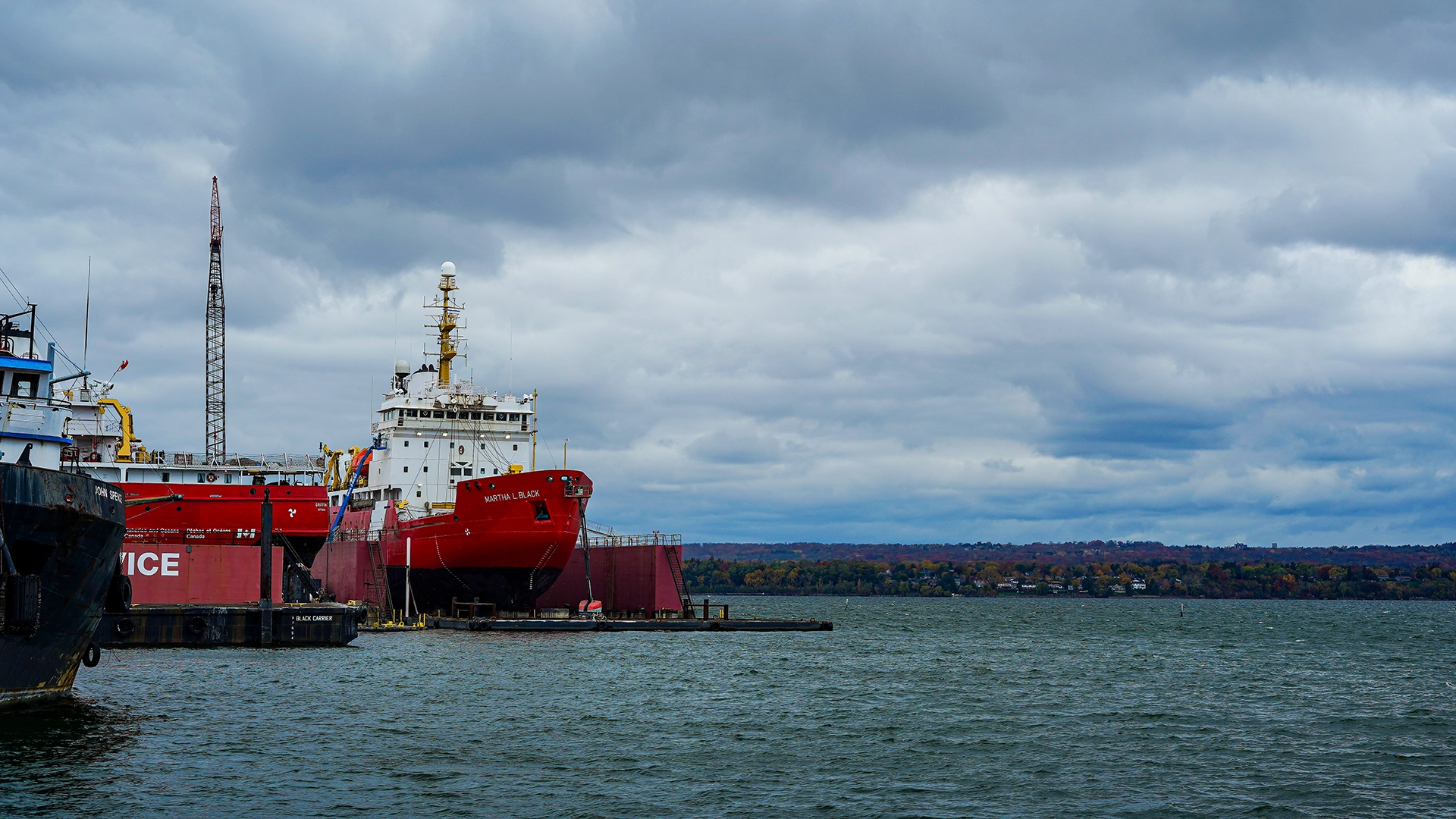
"In-water surveys using ROVs would only cost a fraction of this, provide comparable results, and keep the vessel in the water and available for its next task."
Proteus Marine is not yet class approved, and Mawhinney is candid that it has already cost him work: two or three jobs lost on that status alone. Approval with DNV or Lloyd's Register is targeted before year end.
The longer play is not the survey but the frequency. Class requires an underwater inspection every two and a half years; an ROV can do it annually for a fraction of the cost, and the difference between those intervals is the difference between a snapshot and a trend.
"Then the management company has all the information they need to manage the asset better, create the dry docking work packages, and prove to their client that we don't have to wait two and a half years to get these done. You can plan dry docking rather than have it ad hoc."
The published service set already reflects that direction: class-aligned hull surveys, cathodic protection assessment, ultrasonic thickness testing, 3D scanning, asset recovery and structured digital condition reporting. That is a survey and NDT offering built on an inspection platform, not a camera on a cable, and it is the business Proteus Marine was designed from the outset to become.
Shorter than the industry knowledge curve behind it. Mawhinney was operational within the first month, which he attributes to deployment speed, usability, and good visual results early enough to build confidence. He is careful not to overstate his own advantage.
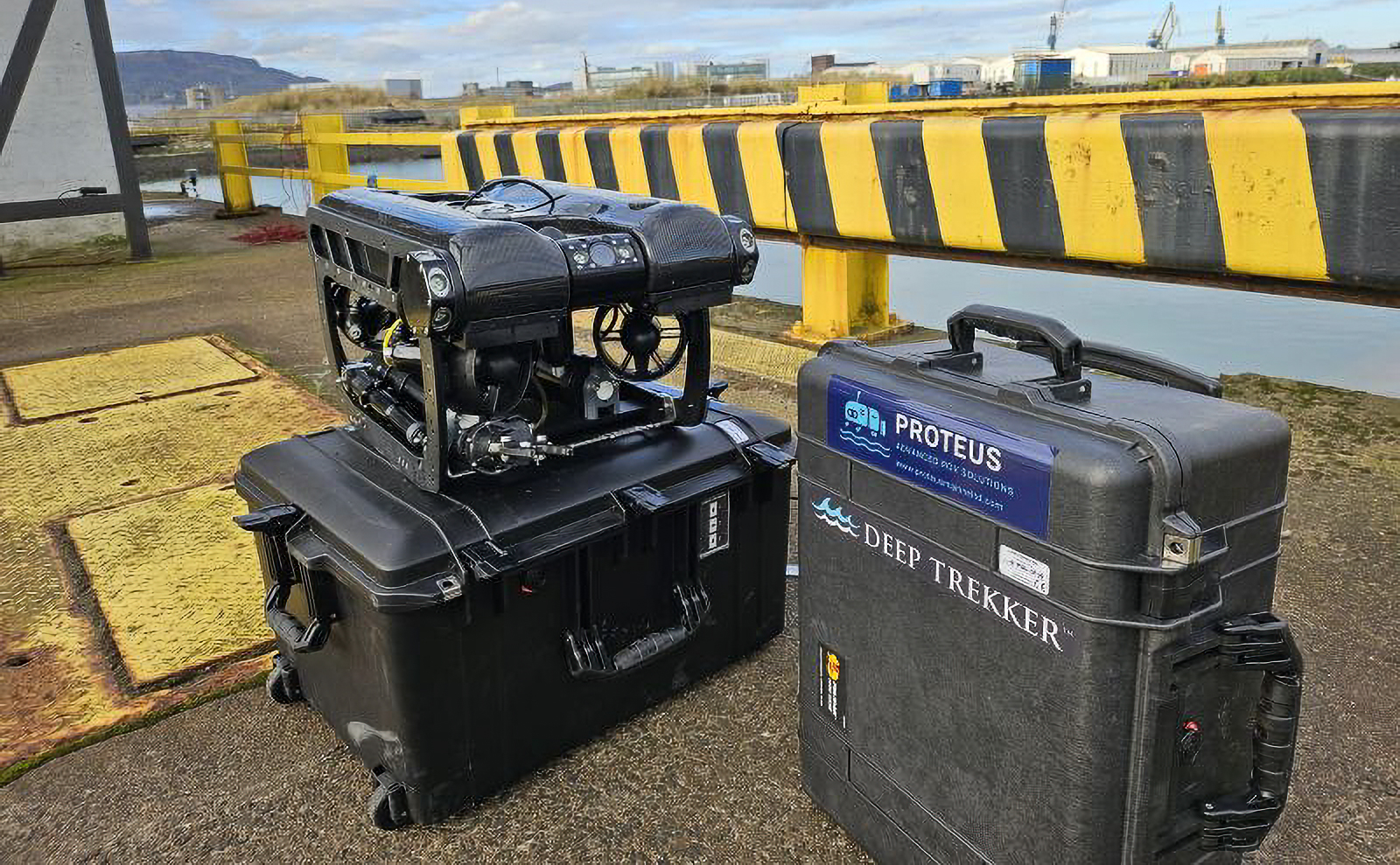
"I was more of an engineering manager. I had knowledge of technical systems, but not expertise. I believe most beginners could adapt to the task pretty quickly."
The real bottleneck sits elsewhere: "The main obstacle would be finding people with enough familiarity with the shipping industry to conduct the inspections."
Piloting is trainable in a couple of weeks or less. Knowing what a sea chest is, why an isolation matters, and what a chief engineer needs to hear is the part that takes years. That is the opposite of the diving model, where the certification burden sits on the diver rather than on the domain knowledge.
Ask us about using ROVs to inspect the risers, hull, and water tanks on your offshore platform.
Capability in the conditions, cost that survives a bad day, and a peripheral architecture that does not fight integration.
"The PIVOT seems to operate within a very niche segment of the industry. It's capable and versatile enough to conduct the tasks required of it, and it presents the customer with a cost-effective in-harbour solution. It can handle relatively high currents, poor visibility, and it integrates peripherals really well."
Poor visibility is not hypothetical in these waters. Working the Lagan, visibility has dropped to around 30 cm and the tidal flow proved less of an obstacle than expected. The footage still came back usable, which in a harbour environment is the whole test.
Price feeds directly into risk posture, and from there into what jobs he will accept. "Because the PIVOT is so cost-effective, it takes a battering. In the back of my head I know that if something goes wrong and the tether snaps or gets damaged, it isn't expensive to replace." An operator who can afford to lose a tether takes the offshore callout in three knots of current. An operator flying a vehicle worth several times more does not.
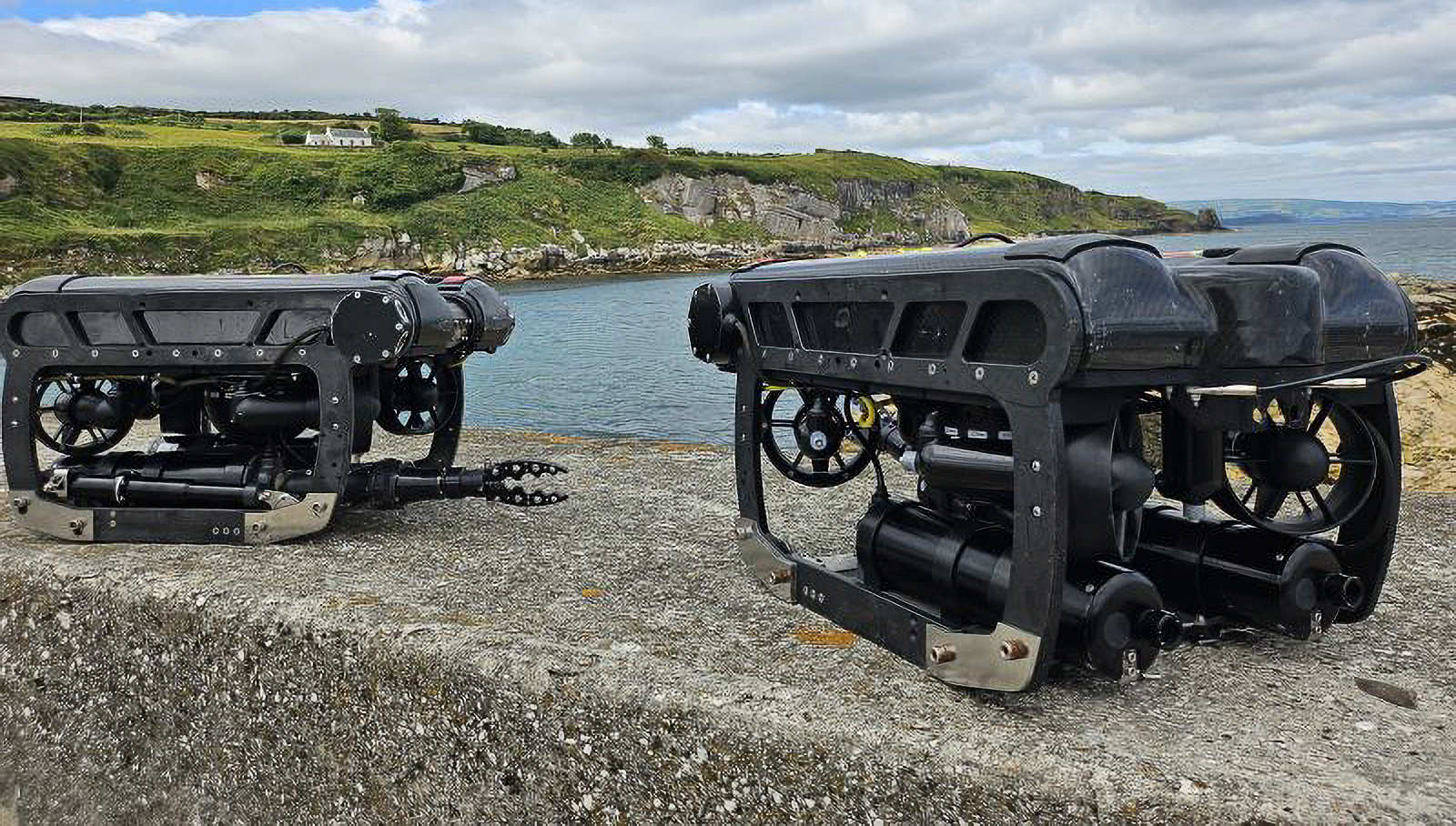
"With the PIVOT I can come into the market against divers or my competitors at two-thirds of their price — and that's still a massive markup for me."
If every underwater question on your fleet commits a dive spread, a 24-hour mobilisation, and a two-and-a-half year gap between hull condition datapoints, the answer is larger than the invoices suggest. Our team can work through your vessel profile, port coverage and inspection frequency with you.
Talk to our team | PIVOT spec sheet | ROV Buying Guide | Vessel and hull inspection | Port and harbour operations
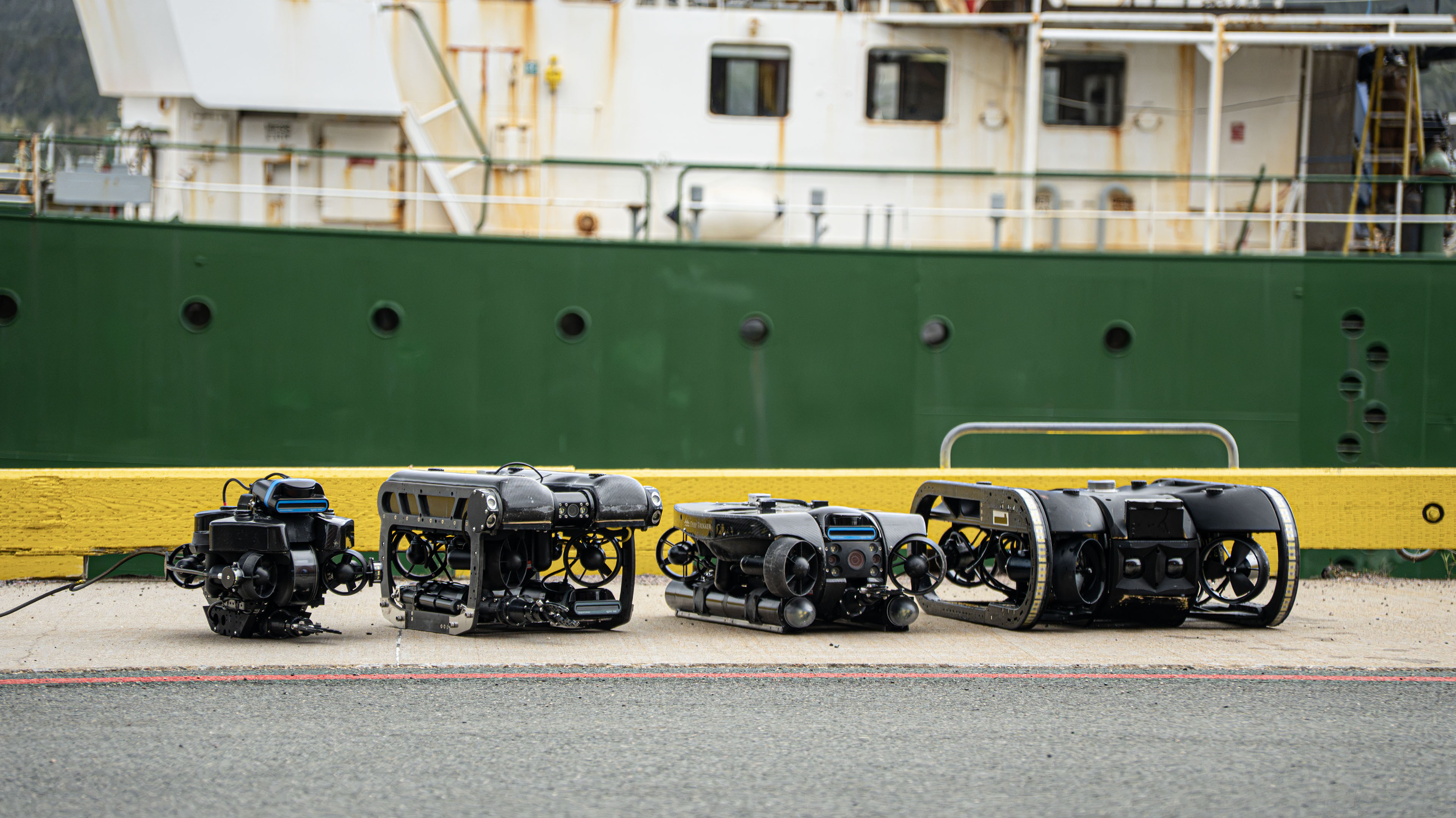

March 17th, 2026
Two-day AIMS training program teaches SAR teams how to integrate sonar...
March 11th, 2026
Deep Trekker’s SPECTRA ROV integrates 3D Sonar SLAM, 4K stereo vision,...
November 3rd, 2025
At REPMUS 2025, Deep Trekker’s ROVs validated real-world mine countermeasure capabilities...