Configure Now
Items in Your Cart0
0Items in Your Cart
Start building your packageShop Now
A hull inspection is the systematic assessment of a vessel’s watertight outer structure to identify damage, corrosion, fouling, coating breakdown, or other conditions that may affect structural integrity and safe operation.
The ‘hull’ refers to the watertight exterior of the ship. Either open ceilinged or enclosed with a deck, the hull is an integral part of a ship structure, since it is the first line of defense against leaks. With ship hulls covering such a large surface area and being in direct contact with the water, hull inspections are vital and should be conducted regularly. Due to the variety of related components, situations, and potential defects, there are two general categories of inspections.
In broad categories, inspections can be broken into General Visual Inspections (GVI), and Close Visual Inspections (CVI). A GVI is a simple visual inspection of overall condition with a report following the inspection to report on the status of the structure.

GVIs are conducted from a moderate distance and provide a general overview of the hull status. Typically completed at approximately an arm’s length away from the component, operators are searching broadly for any defects or issues. While a mirror may be required to enhance visual access to exposed areas, a GVI is conducted under normally available lighting conditions. Daylight, flashlight or ROV lights are usually the only light used for GVI and sometimes nearby structures or objects may have to be moved out of the way to gain access.
A GVI looks to detect a number of things including:
CVIs typically make use of additional equipment to enhance the quality of the inspection. Normally natural lighting is supplemented with a direct source of targeted light such as auxiliary lights or flashlight. In particularly murky or turbid waters, imaging sonar tools can also be utilized.
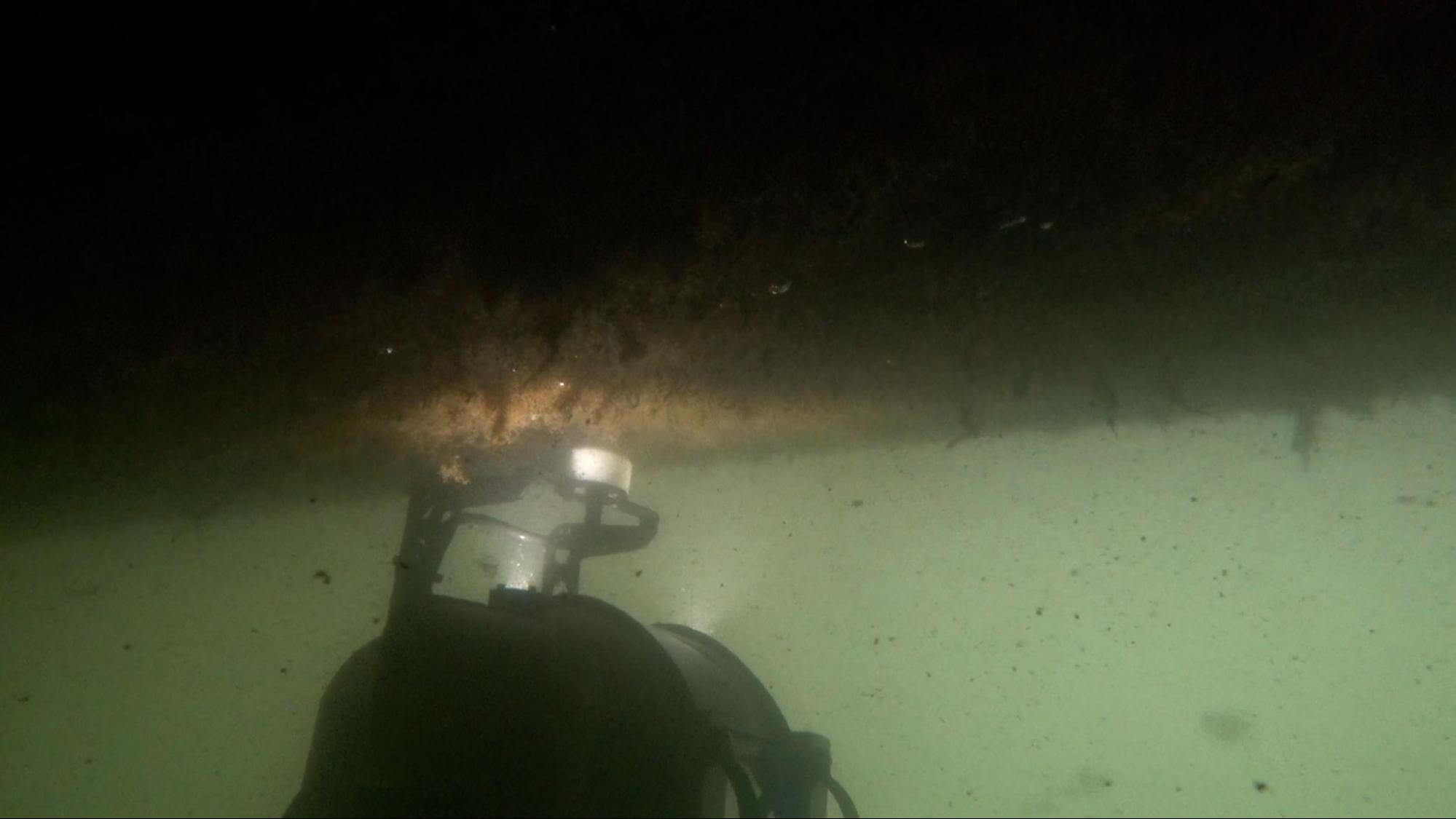
Furthermore, CVI often entails surface cleaning to gain clear access to all components of the area being inspected. Specific tools such as probes, gauges and measuring tools are also often used to acquire further insight into the hull or structure. Finally, more extreme access procedures may be required to ensure close inspection to all aspects of the component being inspected.
The qualifications applicable to CVI can be both PCN or CSWIP. A CVI is suitable for a number of structures and components including:
Read more about the difference between GVIs and CVIs here.
Modern hull inspection ROV systems replace diver-led surveys for many vessel classes, particularly during UWILD operations and routine hull condition assessments.
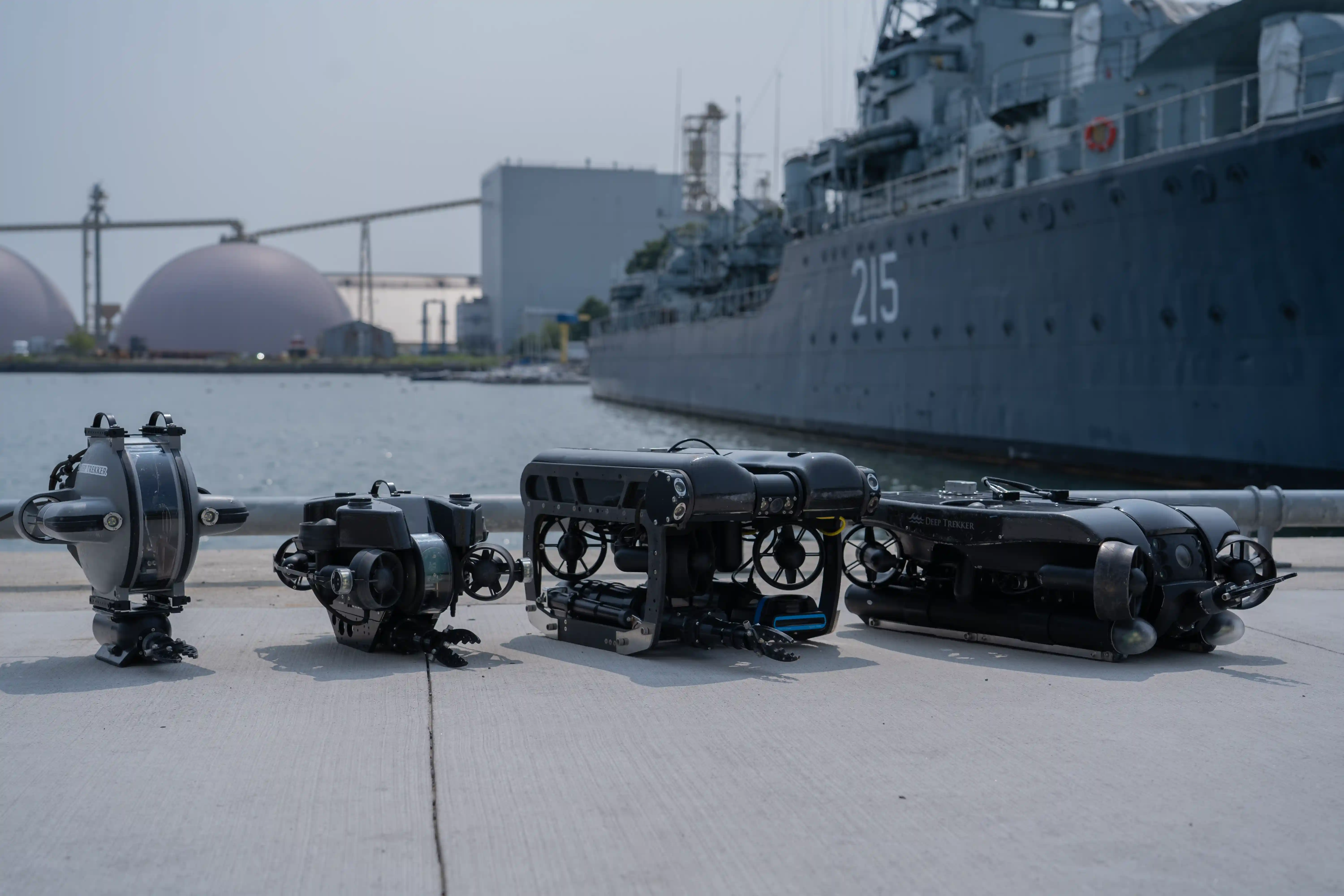
Deep Trekker’s current inspection lineup includes:

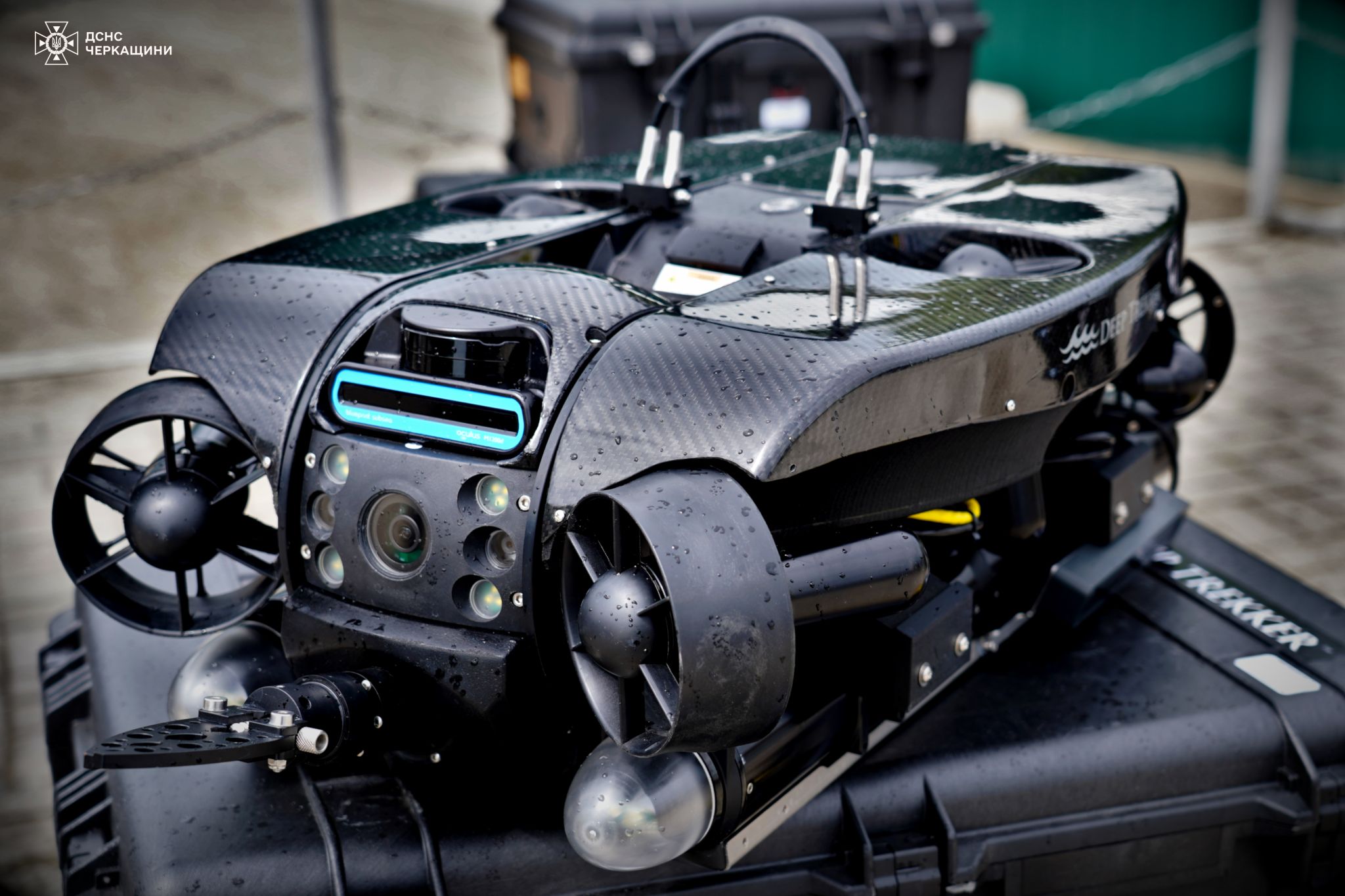


Each platform supports GVI and CVI workflows depending on inspection requirements.
Hull maintenance is crucial to maximize the expected life cycle out of a vessel. However, external inspections can be difficult since the majority of the ship will be submerged. Dry-docking is a traditional method of conducting comprehensive hull inspections. This method is extremely time consuming and expensive to perform.
The process involves:

To dry-dock a vessel, the entire ship must be removed from the water and placed onto blocks. For large ships, this can be a complex and dangerous procedure, requiring a crew, heavy equipment, and a qualified dockmaster. In the event of a failing dry-dock block, the entire ship can capsize, resulting in catastrophic damage and danger to the crew. Due to the high cost, time usage, and potential complications, many are now opting for Underwater Inspections in lieu of Dry Docking.
UWILD also known as, Underwater Inspection in Lieu of Dry-Docking, is a safer and more efficient alternative to the more conventional dry-docking method of marine vessel inspection. UWILD inspections entail inspecting the submerged part of the vessel while still in the water. Occasional dry-docking will always be necessary, however underwater inspections can help reduce the frequency, resulting in long-term time and cost savings.
To conduct a UWILD, the owner of the vessel must first ensure that they qualify. If there are outstanding recommendations for repairs to propellers, rudders, stern frames, sea valves or other underwater structures, dry-docking may be the only suitable option (ABS 2015). Once qualified, UWILDs have been performed by ABS certified divers traditionally. The divers will navigate under the hull of a ship to conduct visual inspections as needed. To further elevate the efficiency of UWILDs over dry-dockings, new equipment such as ROVs are rapidly becoming more popular to eliminate the need for dive teams.
Class societies such as ABS define eligibility requirements, including:
ROVs are increasingly used in UWILD programs to replace diver-only inspections due to:
To learn more about UWILD best practices, check out our full article here.
Selection depends on vessel class, inspection depth, hydrodynamic conditions, and required inspection outputs (video-only vs mapped data).
Typical mapping:
Key selection factors:
ROV positioning systems enable consistent and repeatable hull survey execution, particularly for large vessels where manual tracking is insufficient.

These systems support:
In practice, this reduces operator dependency and improves consistency across inspection teams and survey cycles.
3D Sonar SLAM (Simultaneous Localization and Mapping) is a spatial mapping method that uses sonar data to generate real-time 3D models while simultaneously tracking ROV position.

Unlike optical systems, it operates effectively in zero-visibility or high-turbidity environments.
Applications include:
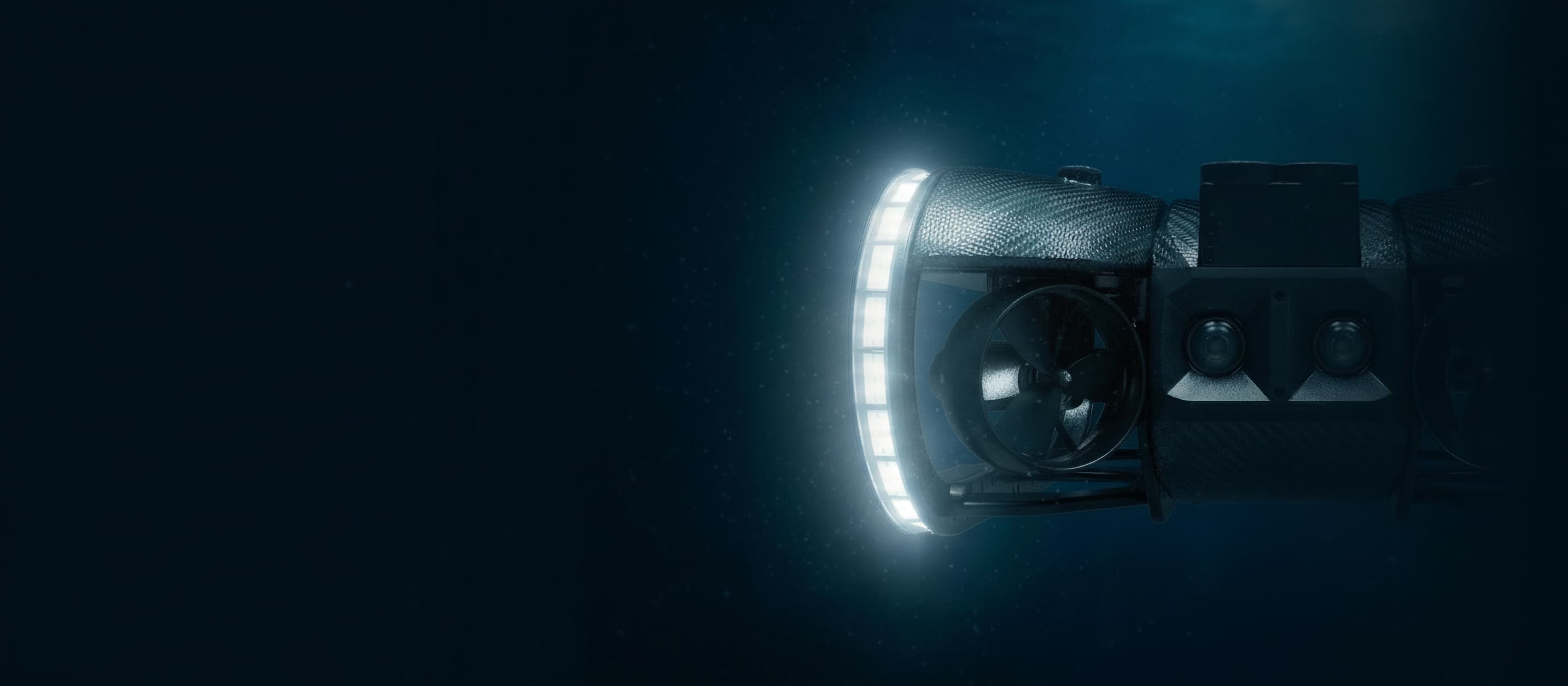
SPECTRA is the only platform in the Deep Trekker lineup capable of supporting 3D Sonar SLAM, due to its stereo camera, processing capability, and stability required for consistent data acquisition.
This capability is used in higher-spec inspection programs where mapped outputs, not just video, are required for analysis and reporting.
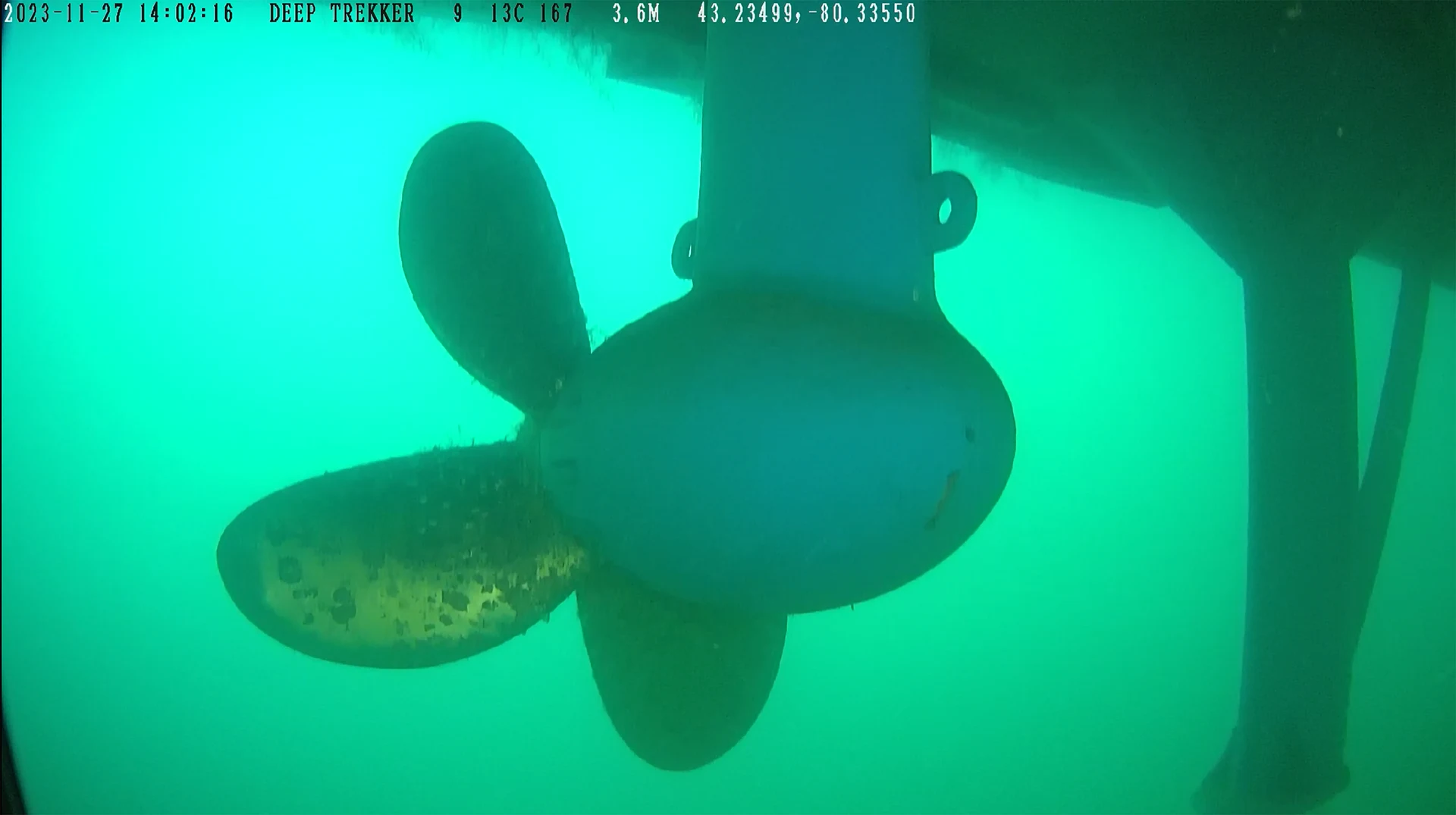
Knowing the complete list of components to inspect on each vessel is integral for a thorough inspection. Ships can have a great variety of different designs, so pre-identifying the number and location of each key component can help reduce the time needed for inspections. The main vessel components to inspect are:
Qualified inspectors should know exactly what imperfections to be looking for during a hull inspection. This allows for potential issues to be caught quickly and ensures that no glaring issue is left unaddressed. The main concerns to watch for are:
Inspection services/programs, surveyors, and the Coast Guard all follow different grading procedures. All inspections should evaluate the general condition of the accessible parts of the hull structure, condition of coatings and corrosion prevention, and overall cleanliness of spaces and tanks within the hull.

The respective inspector will then assign whether the ship is in need of repair, requires further monitoring, or in good condition. For Coast Guard inspections, security inspections for contraband may also be conducted. This extra step monitors for potentially dangerous items, illegal goods, or unregistered crew members.
Deploy a Deep Trekker ROV for rapid, safe, and cost-effective hull inspections in any condition.
Deep Trekker ROVs provide rapid subsea inspection following suspected grounding, collision, or hull impact events, allowing operators to assess damage without immediately diverting to dry dock.

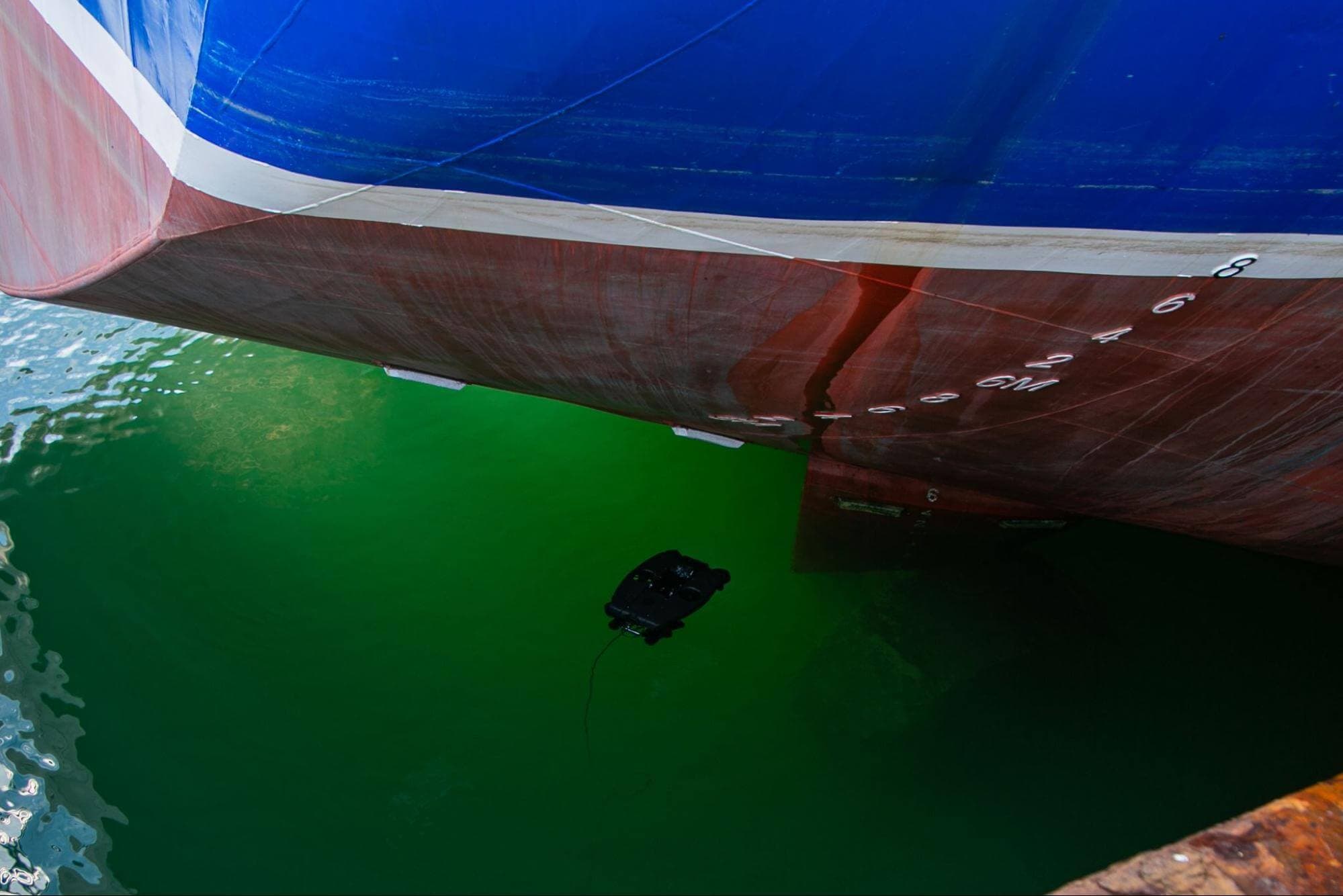
Platforms such as SPECTRA, REVOLUTION, PIVOT, and PHOTON can be deployed directly from deck in port or offshore conditions to inspect hull plating, rudders, propellers, and sea chests in real time. This supports faster decision-making on vessel integrity, operational continuity, and whether docking is required.
Deep Trekker systems deliver continuous HD and 4K recording with still image capture for full documentation of hull condition during inspection passes. Imaging is supported by automatic white balance (AWB) for consistent color correction at varying depths, a turbidity filter to reduce backscatter in sediment-heavy or low-visibility water, and digital zoom for close examination of defects without repositioning the ROV. These features improve defect traceability and provide consistent visual records for UWILD reporting, classification, and maintenance planning.
Deep Trekker ROVs support integration with ultrasonic thickness testing tools for direct measurement of steel loss through coatings and marine growth, enabling condition-based assessment of hull integrity without dry-docking. Combined with visual inspection and optional sonar input, operators can identify corrosion patterns, coating degradation, and localized material loss on hull plating, propeller blades, and sea chest structures, improving maintenance prioritization and inspection accuracy.
Deep Trekker platforms use compact, high-thrust thruster configurations to maintain stable positioning during hull surveys in variable currents. Systems like SPECTRA utilize a seven-thruster layout for angled station holding and strong lateral control, while REVOLUTION, PIVOT, and PHOTON support precise directional adjustments for structured inspection passes. This stability allows consistent standoff distance along flat hull sections and controlled movement around appendages and complex geometries.
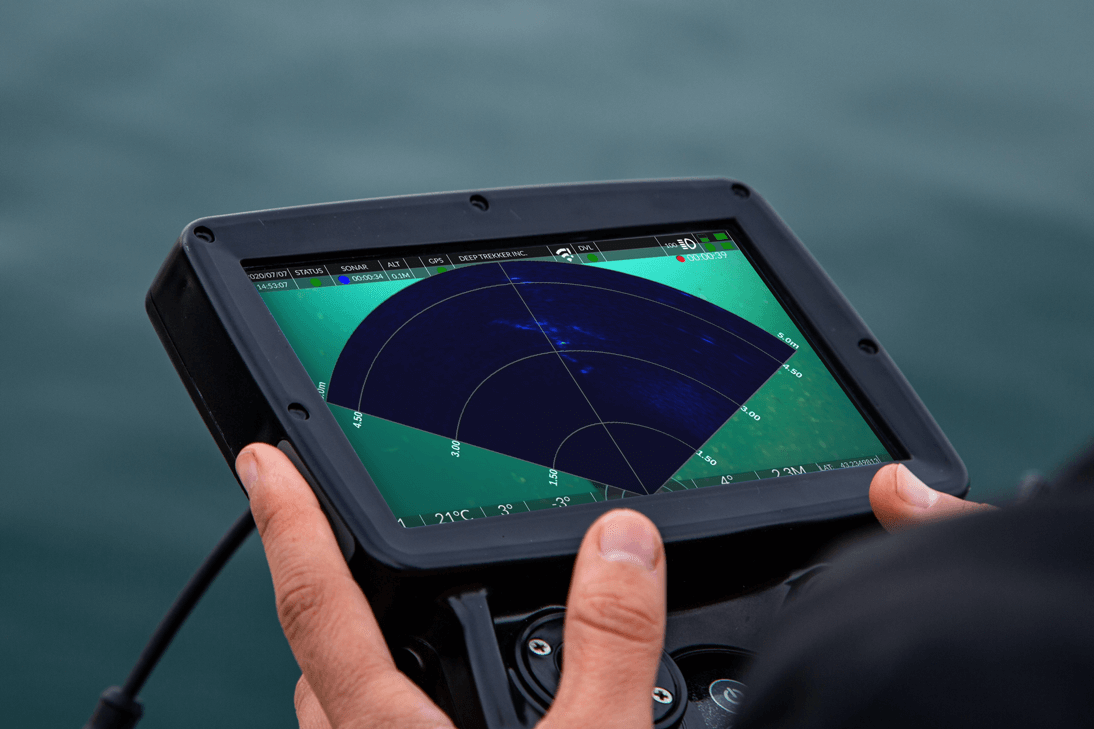
Deep Trekker ROVs can integrate imaging sonar to support hull inspections in turbid, low-light, or high-sediment environments where optical systems alone are limited. This allows operators to maintain situational awareness of hull structure and nearby obstacles when visibility is reduced, ensuring continuity of inspection coverage and supporting detection of anomalies such as protrusions, deformation, or debris accumulation.
ROV-based hull inspection removes the need for divers to operate beneath large vessels, where environmental and operational hazards are significantly higher. Container ships range from small feeder classes through to ultra-large vessels, with the largest exceeding approximately 160 ft in beam and 50 ft in draft. In these environments, divers work in confined overhead spaces with limited ability to surface quickly, making any equipment issue or entanglement a high-risk scenario.
Even when moored or anchored, vessels remain subject to movement from wind, current, and wave action, which can shift hull position relative to a diver working below. This introduces collision and entrapment risks that are difficult to control in real time. Additional diving risks such as pressure-related exposure and extended underwater duration further increase operational complexity.
Deploying an ROV in place of a diver removes direct human exposure beneath the hull, allowing inspection teams to assess structure, coating condition, and appendages from the surface while maintaining continuous control of positioning and data capture.
Deep Trekker’s hull inspection ROV lineup supports both general visual inspections and close visual inspections across varied vessel geometries, with systems designed for stable control, high-quality imaging, and subsea positioning accuracy. The enhanced 4K camera is ideal for identifying smaller defects, and the thickness gauge or CP probe can also be integrated for hull structural evaluations.

The SPECTRA platform delivers high-thrust performance through a seven-thruster configuration with angled station holding, stereo camera imaging, and 3D sonar SLAM for structured hull mapping and low-visibility condition tracking.
REVOLUTION adds a rotating camera head with integrated sonar for continuous coverage of complex hull forms, including under-keel transitions and areas affected by current-driven drift.
PIVOT provides compact deployment with a tilt shelf for rapid camera angle adjustment and integrated tooling for close-range inspection tasks, while
PHOTON and DTG3 support confined geometry access such as sea chests and thruster tunnels, using a lightweight frame and 4K camera system for detailed visual capture in restricted spaces.
Across the platform range, high maneuverability, stable station keeping, and integrated tooling support consistent hull coverage, reduced diver exposure during UWILD operations, and repeatable inspection paths for condition tracking over time.
An underwater hull inspection is an assessment of a vessel's submerged structure carried out while the ship stays in the water, rather than in dry dock. It checks the hull plating, coatings, propellers, rudders, and sea chests for corrosion, fouling, cracks, and coating breakdown, and is increasingly performed with an ROV instead of, or alongside, a dive team.
UWILD stands for Underwater Inspection in Lieu of Drydocking. It is a class-recognized survey of a vessel's underwater structure performed in the water, traditionally by certified divers and now often by ROV for consistent, repeatable video documentation. Eligibility depends on the vessel's condition and inspection history. See our UWILD best practices guide for details.
Classification societies generally require a vessel's underwater structure to be examined twice within each five-year survey cycle. For qualifying ships, one of those examinations can be an in-water UWILD survey rather than a dry docking, and additional inspections are often carried out after grounding, collision, or suspected damage.
Hull gauging is the measurement of a hull's steel thickness using ultrasonic thickness gauges to detect material loss from corrosion. It is usually carried out alongside a visual inspection, and ROV-mounted gauges allow readings to be taken underwater without dry docking.
Underwater hull inspections typically use a remotely operated vehicle (ROV) fitted with a high-resolution 4K camera, LED lighting, and imaging sonar for low-visibility water. Ultrasonic thickness gauges and cathodic protection (CP) probes can be added for structural readings, and positioning tools such as ROV GPS and dead reckoning support repeatable, documented coverage.
A General Visual Inspection (GVI) is a broad overview of the hull's overall condition from a moderate distance, while a Close Visual Inspection (CVI) is a detailed, close-up examination of a specific area, often with supplementary lighting, cleaning, or measurement tools. Read more on the difference between GVIs and CVIs.

March 17th, 2026
Two-day AIMS training program teaches SAR teams how to integrate sonar...
March 11th, 2026
Deep Trekker’s SPECTRA ROV integrates 3D Sonar SLAM, 4K stereo vision,...

November 3rd, 2025
At REPMUS 2025, Deep Trekker’s ROVs validated real-world mine countermeasure capabilities...