Configure Now
Items in Your Cart0
0Items in Your Cart
Start building your packageShop Now
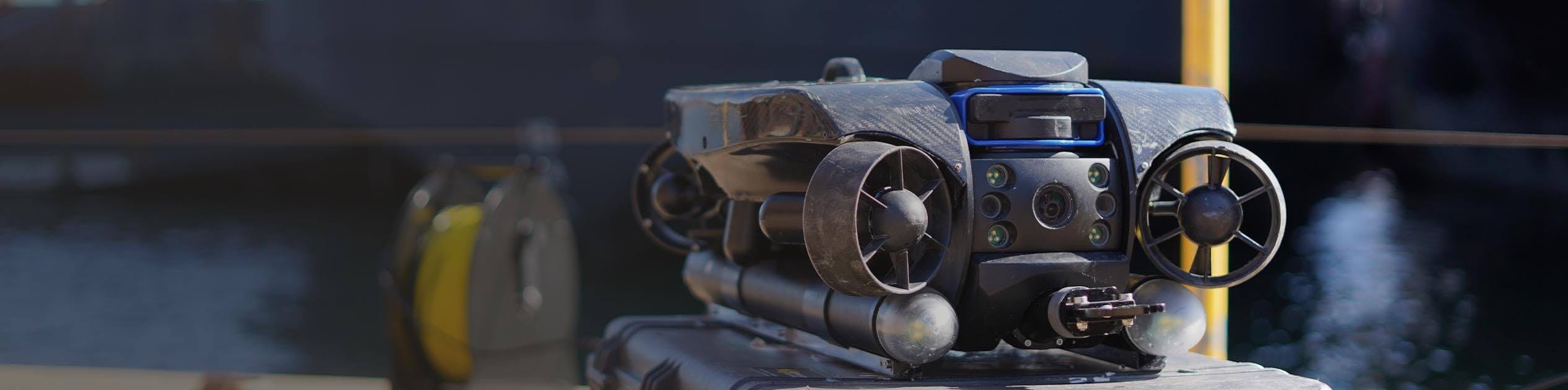
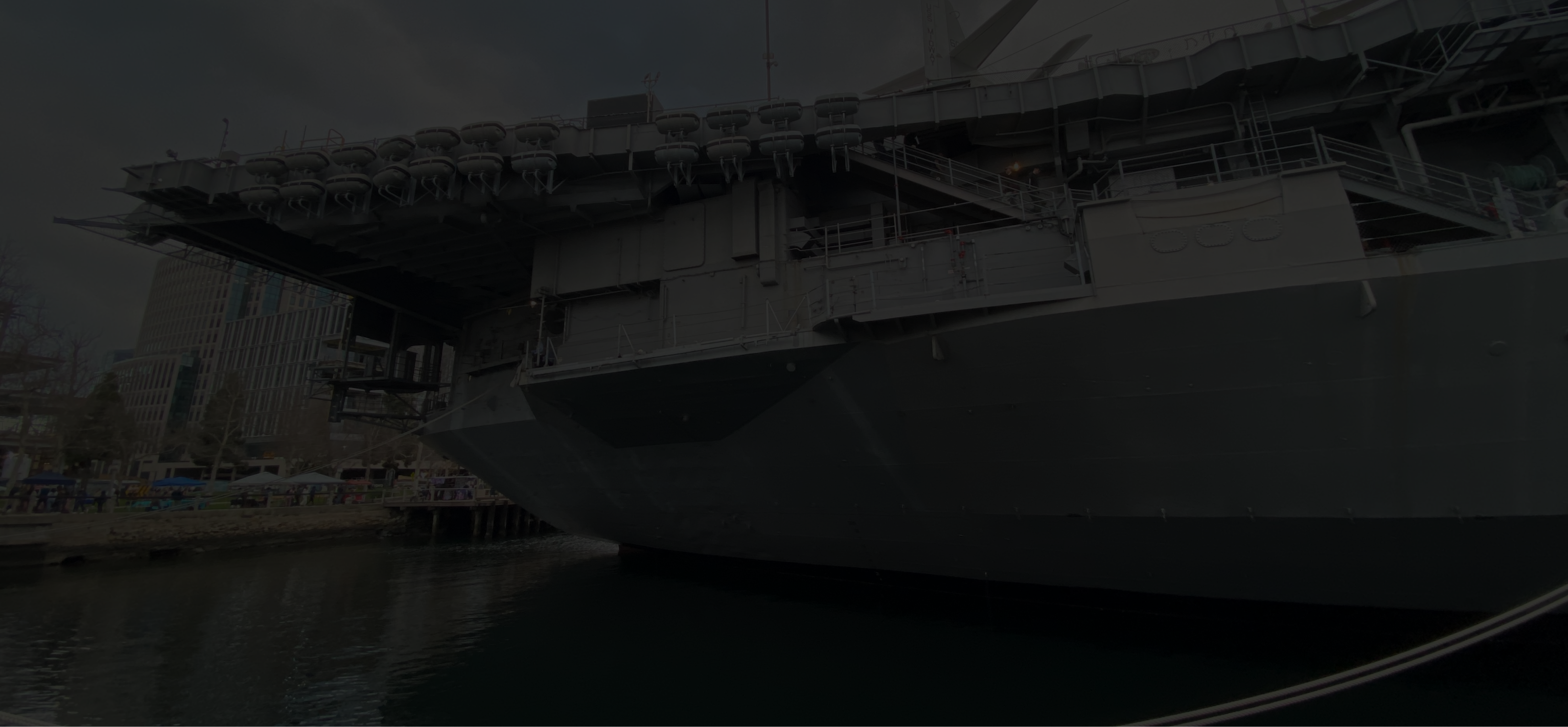
While regular underwater inspections at a shipyard are a necessity, they can be difficult and dangerous. In addition to being expensive, dry docking takes ships out of commission for extended periods of time. Hiring divers not only requires time and money, but also potentially puts people into dangerous situations. ROVs provide an efficient method to inspect multiple sea chests alongside divers, inspect hulls and vessels can be consistently monitored to optimize maintenance schedules and maximize performance.
While regular underwater inspections at a shipyard are a necessity, they can be difficult and dangerous. In addition to being expensive, dry docking takes ships out of commission for extended periods of time. Hiring divers not only requires time and money, but also potentially puts people into dangerous situations. ROVs provide an efficient method to inspect multiple sea chests alongside divers, inspect hulls and vessels can be consistently monitored to optimize maintenance schedules and maximize performance.
Regular underwater inspections are essential, but they're often difficult, costly, and dangerous. Dry docking pulls a vessel out of service for extended periods, and hiring divers adds time and expense while putting people in hazardous conditions.
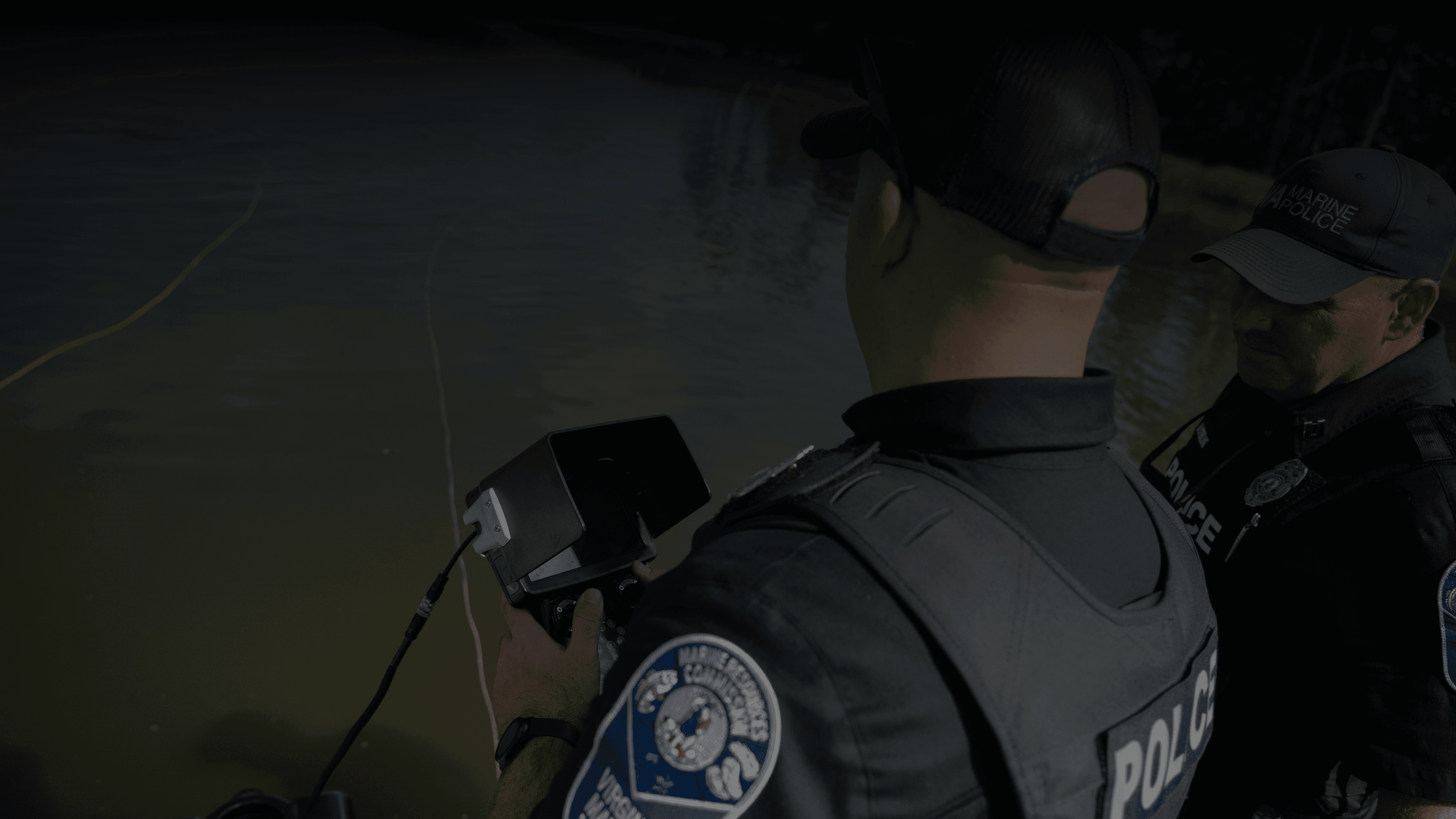
ROVs offer a safer, more efficient alternative. They can inspect multiple sea chests, work alongside divers, and survey hulls without taking a vessel offline. Consistent monitoring also helps operators fine-tune maintenance schedules and keep every vessel performing at its best.
For a full overview of what these checks involve, see our guide to underwater hull inspections.

Avoid unnecessary down time

Compact for confined spaces

Flexible reporting options

Absolute positioning and tracking