Configure Now
Items in Your Cart0
0Items in Your Cart
Start building your packageShop Now
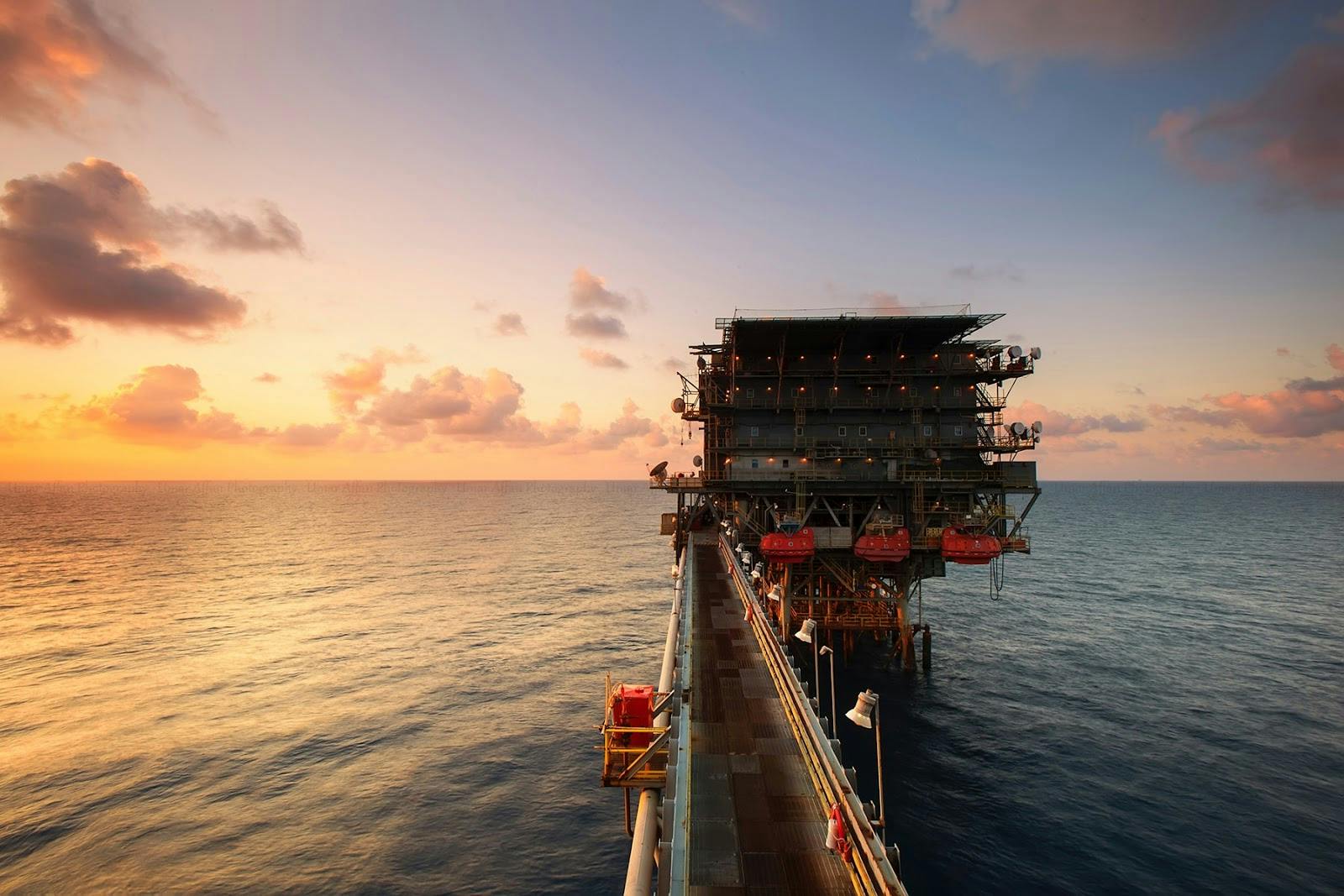
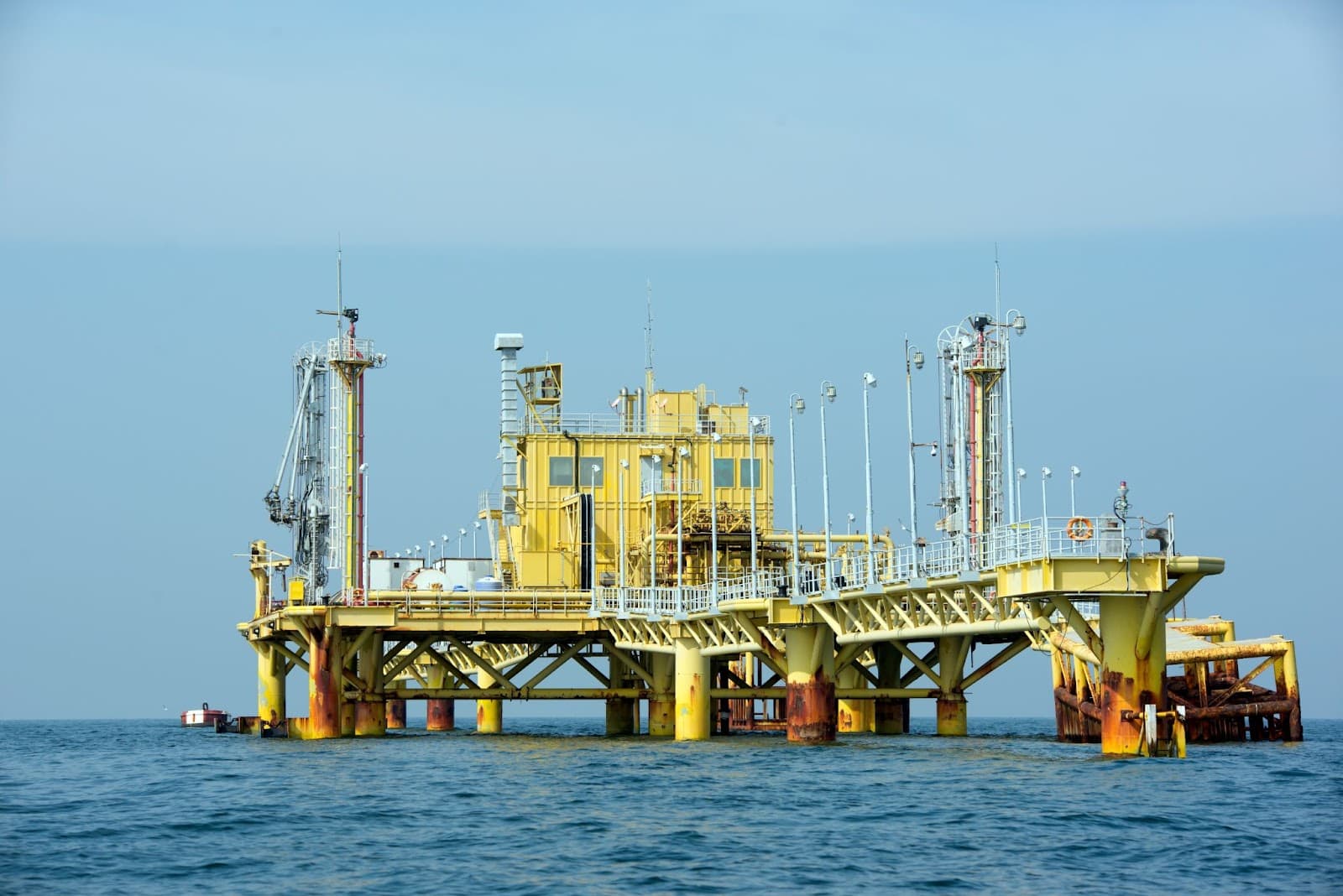
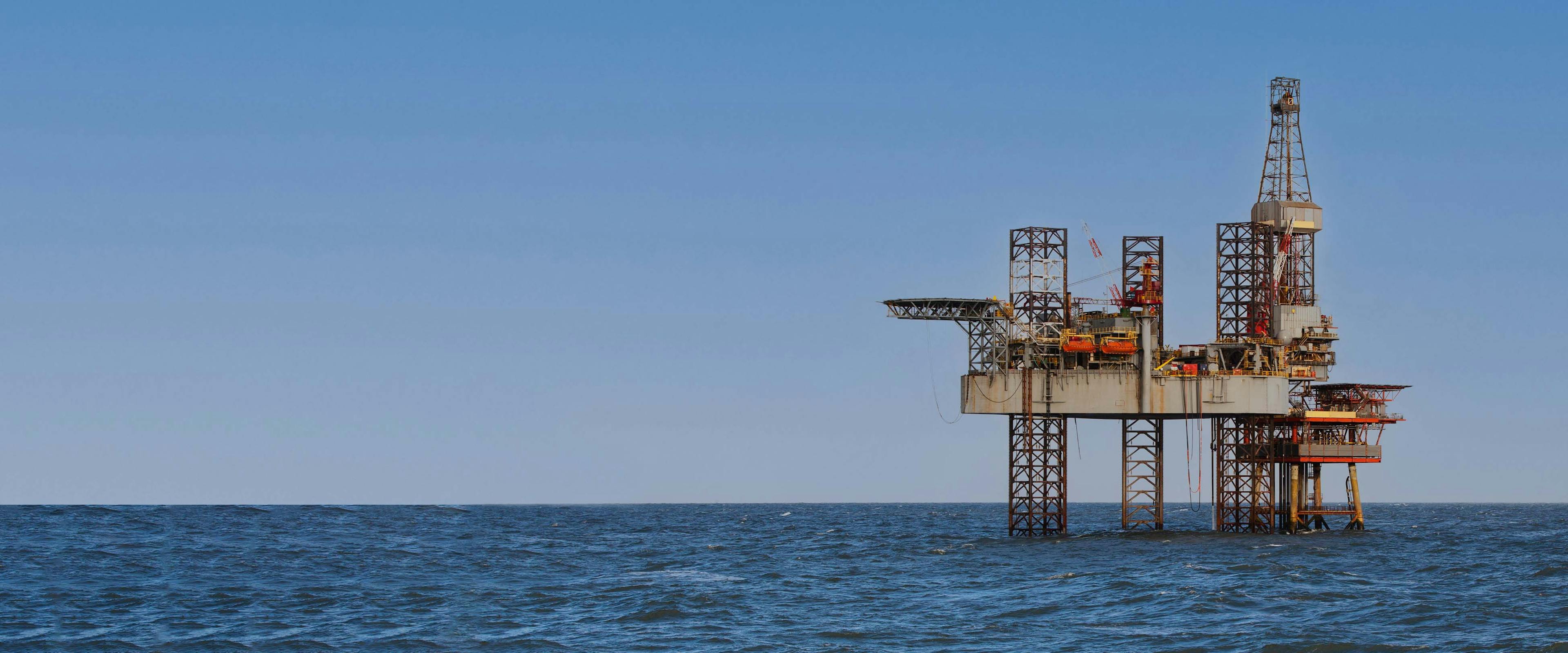
According to 2015 reports, roughly 20% of global crude oil, and 30% of gas production occurs offshore. With 57% of the world’s energy coming from oil and gas, maintaining the critical structures for these energy methods is vital. Not only would downtime resulting in energy shortages have profound implications around the world, but any undetected degradation of the offshore structures could lead to an environmental disaster. The routine inspection of offshore drilling and storage structures, as well as flexible risers, production, support and gas inject pipelines is the best defense against downtime or spills.
So what does the future of offshore oil and gas look like?
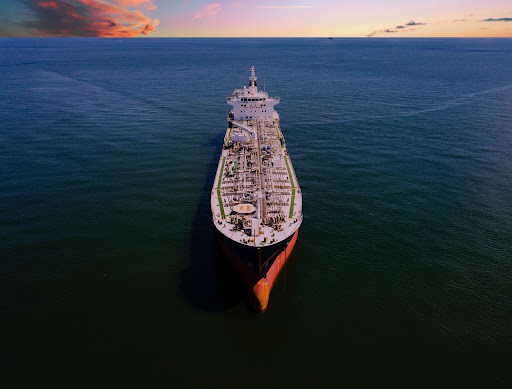
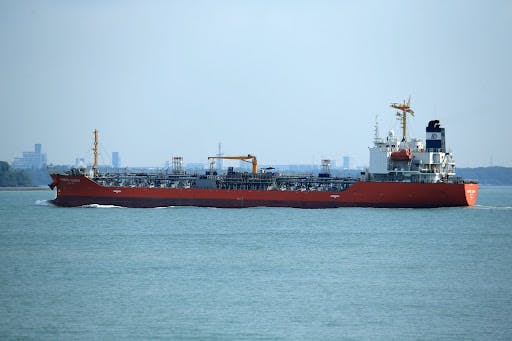
A Floating Production Storage and Offloading (FPSO) vessel is a topside ship that floats near an offshore oil field to store and process crude oil until it can be transferred for refining. If the vessel was constructed without the ability to process oil or gas, it is referred to simply as a Floating Storage and Offloading (FSO) vessel. These vehicles are mainly repurposed tankers, and are desirable as a transportation method without pipeline installation. The equivalent for natural gas is referred to as a Floating Liquid Natural Gas (FLNG) vessel.
Interested in learning more about all the current offshore platforms? Check out our full article here
Mobility Launching a vessel rather than platform provides owners the flexibility to relocate once the source of hydrocarbons is depleted or plateaued. Additionally, this mobility can aid in prolonging asset life, since they can change locations to avoid severe weather conditions.
Deep Ocean Capabilities The installation of subsurface pipelines becomes more complex as ocean depths increase. Since oil/gas can be stored, processed, and offloaded directly to the vessel, FPSOs are ideal for drilling operations in deep sea environments, a scenario seen each day more commonly in South America and Asia.
Minimize Abandonment Costs Requiring minimal infrastructure to transfer oil from offshore sites to refineries, utilizing an FPSO reduces the economic and environmental impact, as well as time commitment when a site becomes decommissioned.
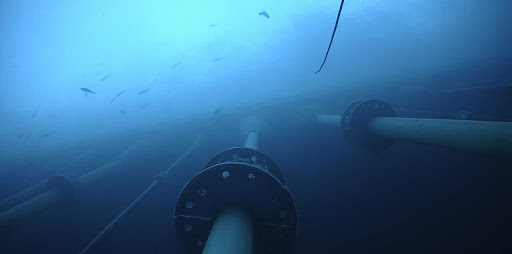
Traditional inspection methods of drydocking FPSOs not only come at extensive costs, but pull the vessel out of service during the inspection. Methods of offshore drydocking are being developed, and while these would allow for the FPSO to remain connected to a drill or production site, the cost and scheduling complications of recruiting a heavy transport vessel are substantial.
 Alternatively, underwater inspections in lieu of drydocking (UWILD) can be performed while the FPSO is underway. This method of inspection keeps the FPSO on site, and is done either via commercial dive teams, ROVs, or a combination of both. As ROVs become more adept at performing in offshore conditions, it is becoming increasingly common for observation class units to be purchased and kept on site for rapid inspections or damage assessment.
Want to learn more about UWILDs?
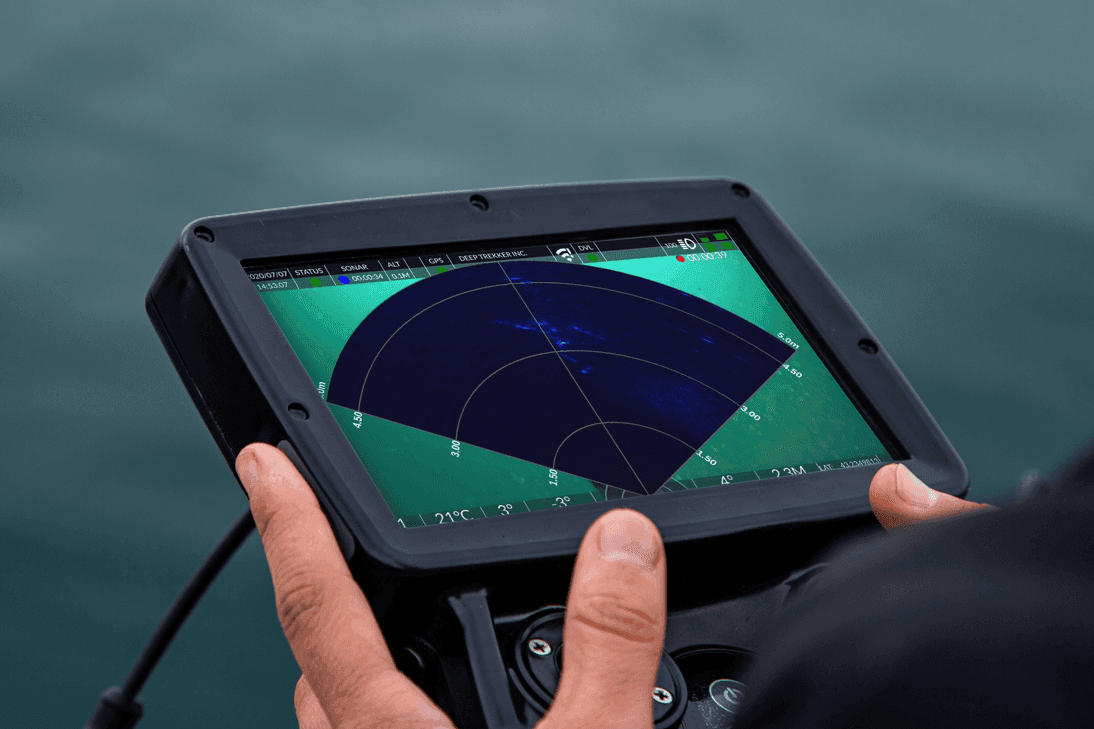
Observation class ROVs are much smaller than their work class counterparts, and oftentimes are single operator deployable. Advancements in power delivery and station holding via addons like USBL and DVL sensors have enabled these smaller ROVs to deliver high quality visual inspections in a much more manageable package. Additionally, modern observation class ROVs are capable of integrating with tools like thickness probes, imaging sonars, and physical manipulators to provide work capabilities beyond inspection.
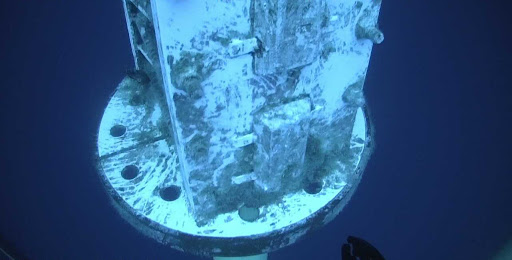
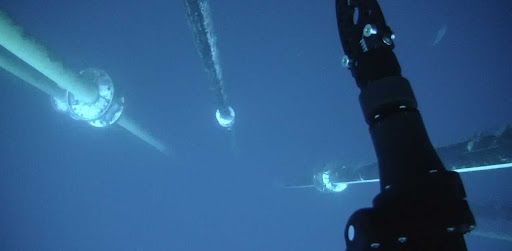
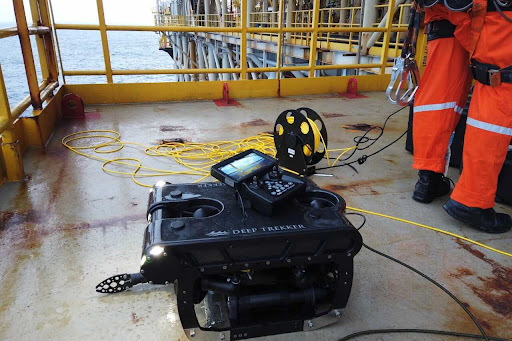 One of the main stated successes was the speed at which the inspection took place. “A diver takes 3 days to conduct a full scope of work on a single flexible riser, but with the ROV we were able to inspect several flexible risers in a single day”. Although divers are more capable at performing cleaning or maintenance tasks, utilizing an ROV for fast, safe and effective inspections allows for insights into asset health. This allows for dive teams to only be recruited when necessary, and have more targeted goals/appropriate tools to work on identified issues.
Interested in learning more about Deep Trekker ROVs for offshore oil and gas inspections?
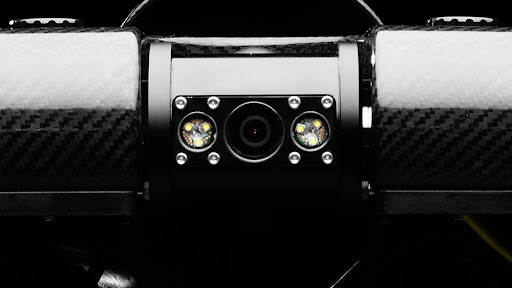
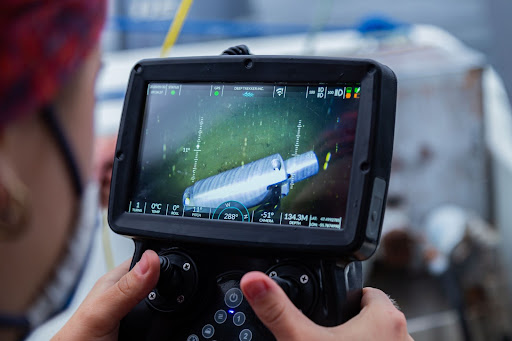 Additionally, if operators can connect to monitors or laptops for larger displays, or to their included microphone to narrate inspections. Deep Trekker controllers also have a variety of custom settings for control inputs, camera/display settings, job data, and more.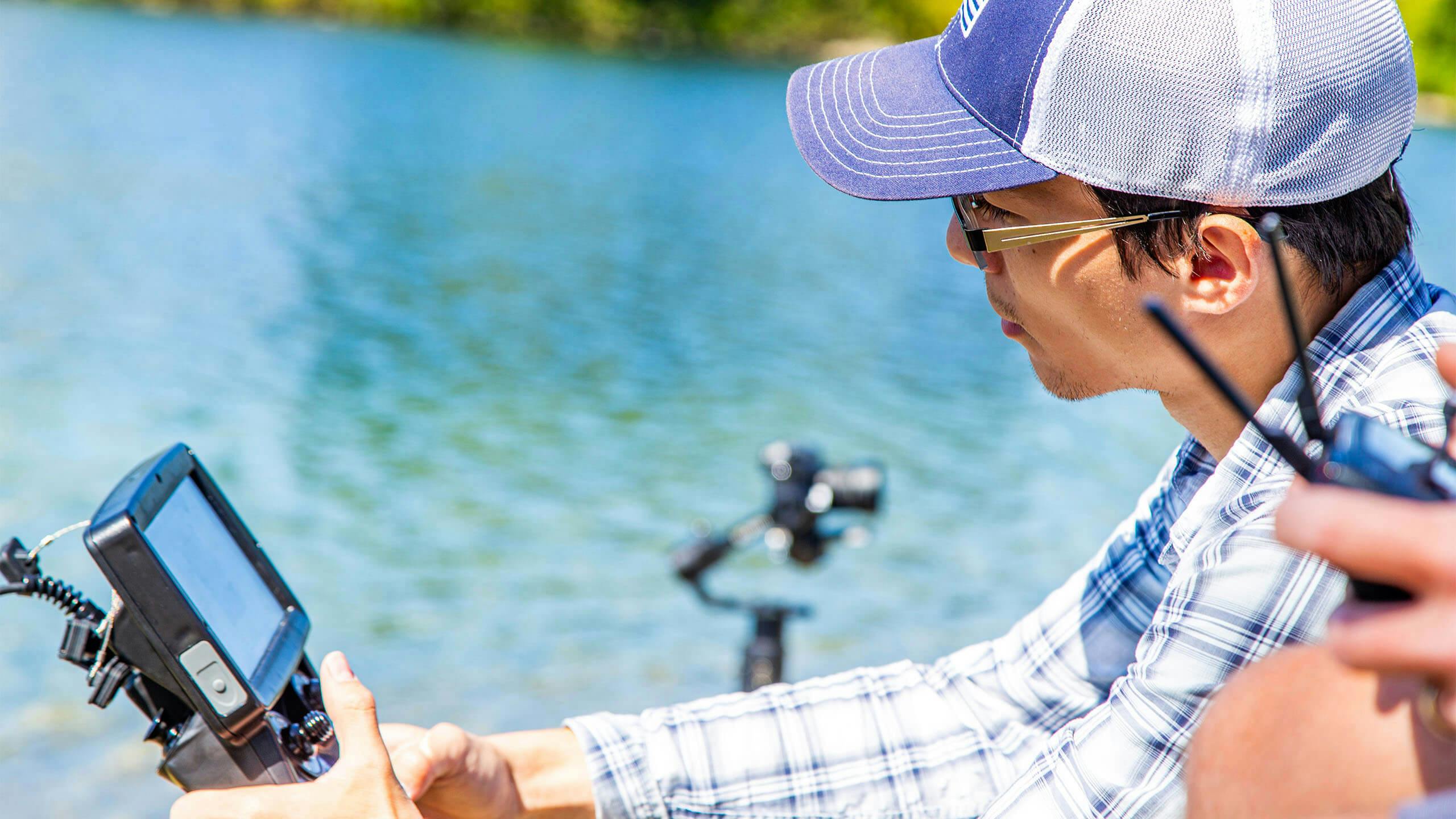
July 3rd, 2026
Everything you need to become an ROV pilot: what the job...
September 1st, 2026
Compare imaging, side scan, echosounder, and 3D sonar systems for underwater...
December 23rd, 2021
ROVs and sonar can be used to inspect underwater structures such...