Configure Now
Items in Your Cart0
0Items in Your Cart
Start building your packageShop Now
You may have always known you wanted to work in or around the water. Maybe you're already a scuba diver, served in the Navy, or are simply drawn to the unknown in the depths of the sea. There's a career you may never have heard of that rewards that curiosity while challenging your technical skills and your composure under pressure.
Becoming a Remotely Operated Vehicle (ROV) pilot puts you in charge of a complex, capable piece of robotics. An ROV is a submersible craft used across industries — from search and recovery and offshore energy to infrastructure inspection and scientific research. As an ROV pilot, you might collect data that monitors invasive species, inspect underwater structures, or support a rapid search response, all from the safety of the surface.
If you're new to the technology itself, start with the basics of how an underwater ROV works.
Read on if the thrill of the unknown appeals to you. The guide below covers what the job is, what pilots actually do, how to get started, and what you can expect to earn.
There's no single degree or route into the field. Many ROV pilots hold degrees in mechanical, electrical, or electronic engineering — but plenty don't. Others come from earth science or biology backgrounds, from military service, or from commercial diving, with the right vocational qualifications layered on top. Strong technical aptitude tends to matter more than any one credential. Divers moving into the field often start by seeing how ROVs support commercial dive teams before they ever touch the controls.
Our commercial divers vs ROVs comparison breaks down where each role fits on the job.
If you want to work offshore, you'll typically need offshore safety training such as BOSIET (Basic Offshore Safety Induction and Emergency Training) and STCW (as amended), or equivalent courses. ROVs like Deep Trekker's are also used in search and recovery to identify targets of interest, support evidence recovery, and enable rapid search response — cases where the versatility of both the vehicle and its pilot is central to the team's success.
The role goes by many names across the industry. Depending on the employer, you may see it advertised as ROV pilot technician, pilot, co-pilot, electronic technician, handling system operator, ROV maintenance operator, ROV technician, or system technician.
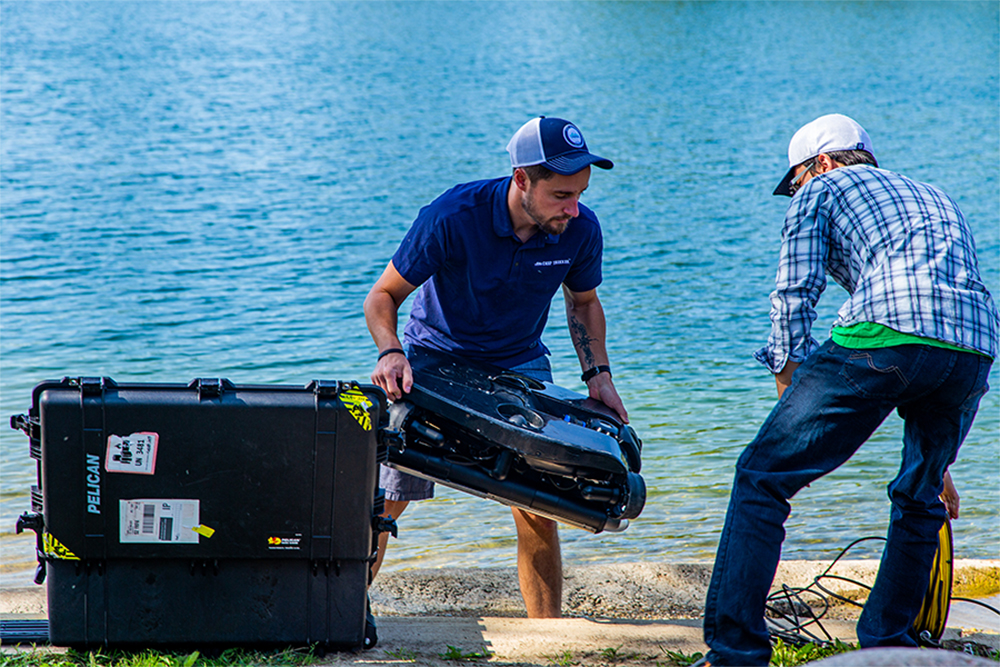
There are nine core ROV pilot job duties that comprise the job description of every ROV pilot.
The ROV pilot operates the vehicle and its systems, which often include video and still cameras, acoustic positioning systems, and sonar. An ROV's submersible-mounted transducer forms part of an acoustic positioning system that calculates the range from the vehicle to other transducers at known locations. Once you have an accurate range, you adjust for factors like water temperature, density, and salinity by computing one-way or two-way timing — and it's the bearing that provides triangulation from the timing differences across the transducer array. On Deep Trekker vehicles, everything runs through the BRIDGE control system, so pilots can move between platforms without relearning the interface.
Pilots deploy, recover, and safely operate ROV equipment using Launch and Recovery Systems (LARS) and Tether Management Systems (TMS). Support vessels rely on both to put ROVs over the side and bring them back. A common LARS setup uses an A-frame, while work-class ROVs used for deepwater energy operations typically carry at least one camera and light for the pilot to manage. TMS comes into play when a vehicle must reach depths that call for a heavier umbilical, or when strong or variable currents demand tighter tether control.
Every pilot needs to perform diligent preventative maintenance on the vehicle and its associated equipment. Keeping fresh water on hand at landing points lets you rinse the ROV and gear after each dive — a routine but essential part of keeping the system mission-ready.
You'll prepare and test the ROV and related equipment for each mobilization and demobilization, monitor reliability and maintenance, and identify repairs or modifications. Often you'll arrange or carry out the repairs that keep certification current, including workshop testing and calibration of ROV equipment.

Pilots handle technical tasks like rigging and operating small boats, then document that work. This means knowing how to knot, gear, and use rigging equipment correctly and safely — moving loads securely, on time, and without damage, using the correct hand signals.
Pilots carry out basic electronic and hydraulic construction and repairs and order spare parts as needed. You'll work with engineers on system modifications and, over time, help build and maintain the mechanical, electrical, and hydraulic systems an ROV depends on.
Pilots keep the technical records the operation depends on — reports on mission outcomes, training, technical issues, and solutions. Logs and reports need to be current, legible, and accurate.
When required, pilots write post-mission reports covering mission success or failure and whether objectives were met, kept to a consistent, professional standard.
Reading the environment is one of the most demanding parts of the job. Safe launch and recovery depend on interrelated factors you have to assess in real time — vessel heading, wind speed, wave direction, surface current, visibility — along with a working understanding of basic weather forecasting.
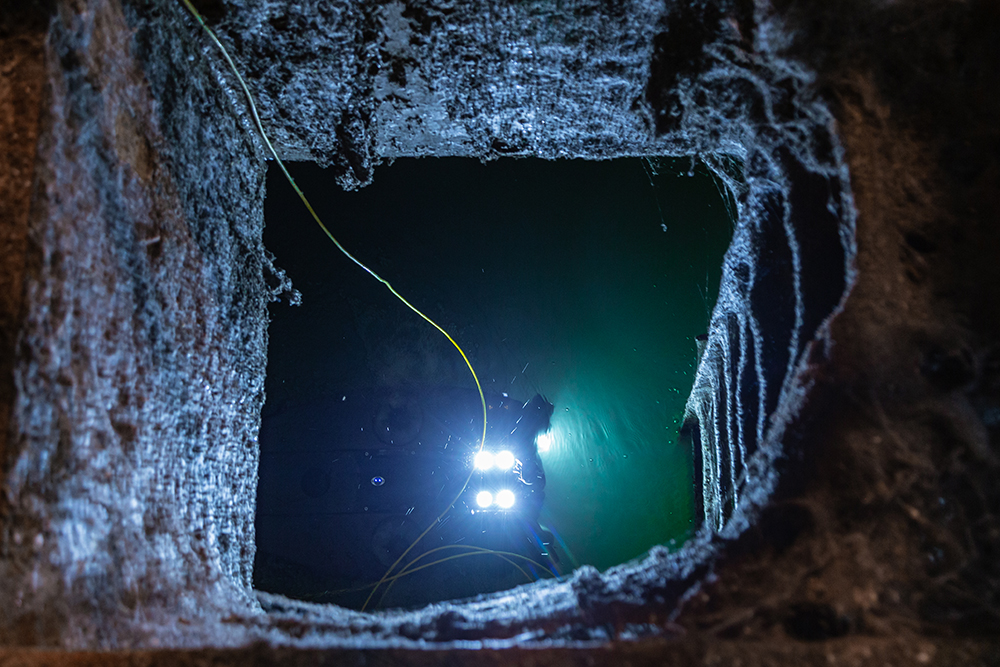
Much of the job isn't "flying" the vehicle at all. A large share of an ROV pilot's time goes to documentation and recording — capturing test results, procedures, and inspection data — and to collecting and compiling technical or scientific data for reports and calibration.
Communication and coordination take up much of the rest. You'll work closely with supervisors, crew, and teammates, and liaise with scientists, engineers, and clients outside your own organization, often interpreting information against industry standards. Comfort with reporting tools and spreadsheet software is part of the daily routine, so being organized and a clear communicator matters as much as technical skill. The most reliable way to build both sides of the role is through structured, hands-on ROV training that pairs classroom theory with real time behind the controls.
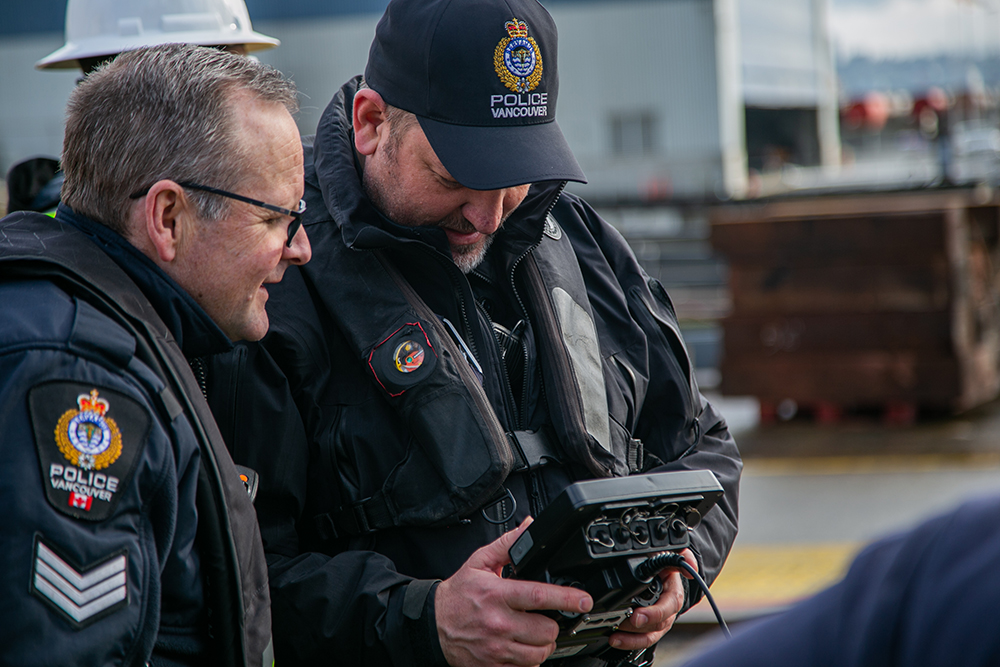
ROV pilots work across civil engineering, defense, environmental science, marine archaeology, offshore energy, and academic research. Depending on the industry and role you choose, the career can offer adventure, variety, steady demand, and international travel. Some pilots gravitate toward operating the manipulator arm; others specialize in video and sonar for positioning and survey work.
Pay reflects that range of work. As of July 2026, reported U.S. averages span roughly $90,000 to $131,000 depending on the source, with offshore and senior roles often exceeding $130,000 and top earners reported near $180,000. Entry-level pay is meaningfully lower. Because estimates vary widely by source and methodology, the table below breaks them down side by side.
| Source | Reported average | Typical range | Top earners (90th pct.) |
|---|---|---|---|
| Salary.com | $90,129 | $72,398 – $109,215 | — |
| Glassdoor | $101,992 | $76,494 – $137,897 | ~$179,299 |
| ZipRecruiter | $130,916 | $100,000 – $155,000 | ~$175,000 |
Figures reflect U.S. national estimates as of July 2026 and differ by methodology — Salary.com and Glassdoor blend self-reported and modeled data, while ZipRecruiter scans active job postings. Entry-level roles pay meaningfully less, and offshore or senior positions tend toward the upper end of these ranges. Sources: Salary.com, Glassdoor, ZipRecruiter.
ROV piloting is a relatively small, specialized field, which helps keep experienced pay above many comparable technical trades. Getting there takes real training and skill regardless of your background. If you want to work offshore in many regions, you'll also need a valid offshore medical (typically renewed at least every two years) and safety training such as MIST (Minimum Industry Safety Training) or an equivalent, alongside BOSIET.
Deep Trekker also posts ROV and robotics careers in Kitchener, Ontario.
Add underwater ROV skills to your dive certification course
You don't start out as a full pilot, whatever your background. As a trainee, you'll begin at the entry rung — often designated an ROV technician (trainee) — and progress toward pilot and beyond only after meeting each competency milestone.
The International Marine Contractors Association (IMCA) publishes competence guidelines for ROV personnel, and most companies want to see that you've met the required training and development benchmarks before you work around an ROV as a pilot. Working through structured ROV training is one of the clearest ways to show you've hit those benchmarks. A search and rescue mission may be the most exciting work there is, but earning that responsibility means proving you're an asset to the mission, the team, and the employer's objectives.
Shifts can run as long as 12 hours, and offshore you rarely know what conditions or weather you'll face. You'll often work off the deck of a ship in cold-weather gear or thermal suits, and heavy lifting is a near-daily part of the job.
The timeline depends on your background, the training route you choose, and your goals. Most formal ROV pilot training programs run three to seven weeks, combining theory, simulation, and hands-on experience. A rough timeline looks like this:
Real expertise takes time behind the controls. Most employers look for a mix of classroom instruction and logged "flying hours," much like an aviation pilot's training. You'll refine your control skills across different currents, depths, and visibility to build confidence and adaptability. With consistent practice, many new pilots reach professional competency within their first year.
For many, training is only the beginning. The most successful underwater drone pilots keep learning through refresher courses and manufacturer-specific programs, staying current with evolving ROV technology and mission requirements.
While specialized training centers offer recognized certifications, many companies prefer to train new pilots internally or through approved providers, aligning skills with their own systems and standards. With a solid technical foundation, you can apply directly for trainee ROV pilot roles with major service providers and contractors.
Entry-level roles often begin in the workshop or as a technician, with structured pathways into flight operations. In practice, reaching full proficiency typically takes six to 12 months, depending on how quickly you gain experience and log flight hours in real-world settings.
Becoming an ROV operator is a challenging but rewarding path. With curiosity, persistence, and a strong technical mindset, you can move from training to professional deployment within about a year — and build a career that merges technology, adventure, and exploration.
Start with hands-on ROV training →
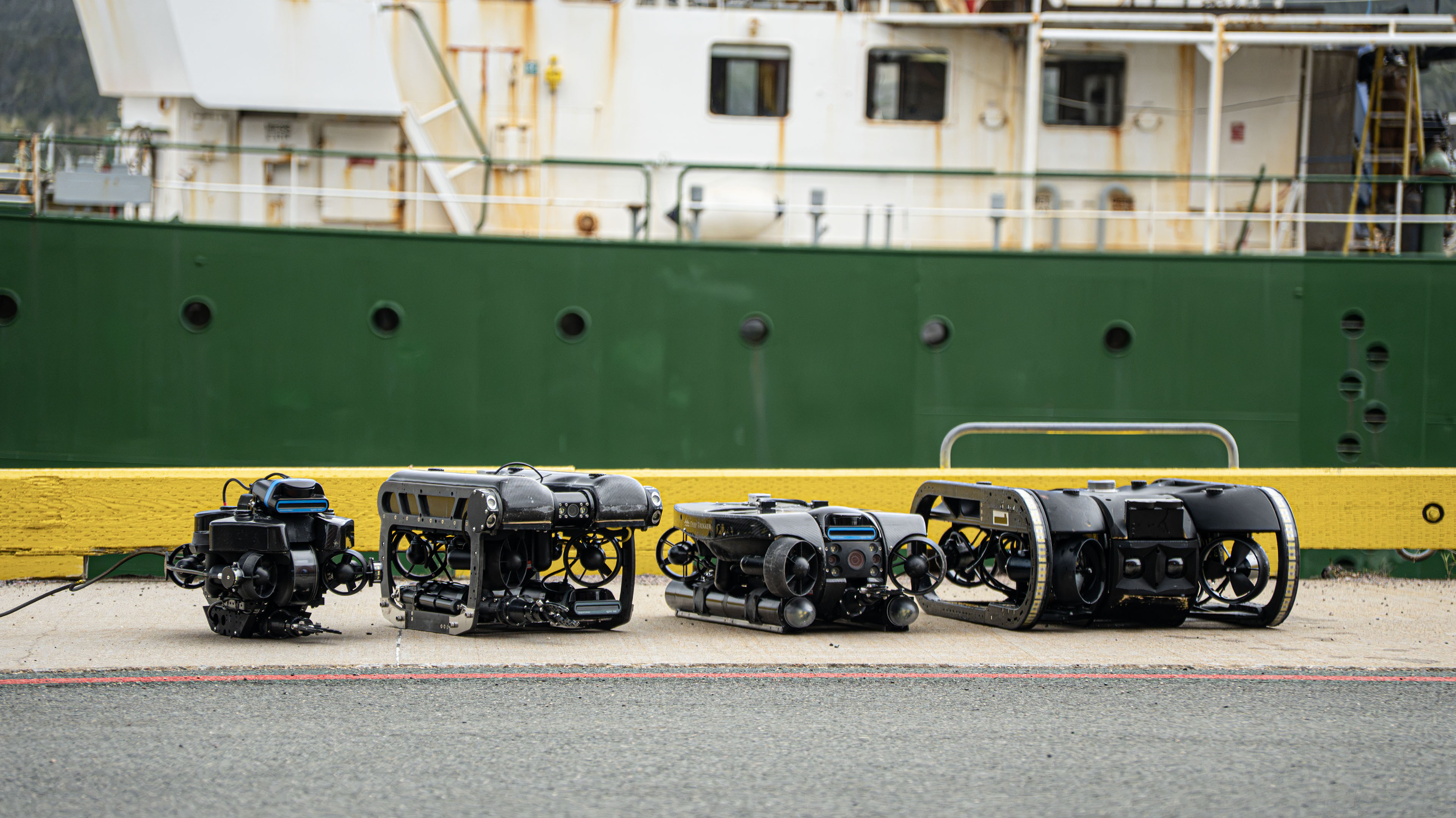
Not sure which class of vehicle you'll end up flying? The ROV Buying Guide breaks down the differences.
How do you become an ROV pilot?
There's no single path. Most ROV pilots start with a technical foundation — a background in mechanical, electrical, or electronic engineering, military service, or commercial diving — then complete ROV-specific training and log supervised flight hours. Many begin as an ROV technician before progressing to pilot. Offshore roles also require safety certifications such as BOSIET and a current offshore medical.
How long does it take to become an ROV pilot?
Formal ROV pilot training programs typically run three to seven weeks, combining classroom theory, simulator work, and hands-on piloting. From there, most people need six to twelve months of real-world experience — often starting in a technician or workshop role — to reach full piloting competency.
How much do ROV pilots make?
As of July 2026, estimates vary widely by source, experience, and industry. Reported averages range from roughly $90,000 to about $131,000, with offshore and senior roles often exceeding $130,000 and top earners reported near $180,000. Entry-level pay is meaningfully lower. See the salary table for a source-by-source breakdown.
Do you need a degree to become an ROV pilot?
No — a degree isn't strictly required. Many ROV pilots hold degrees in mechanical, electrical, or electronic engineering, or in earth science or biology, but others qualify through military service, commercial diving, or vocational and manufacturer training. Strong technical aptitude matters more than any single credential.
What certifications do ROV pilots need?
It depends on where you work. Offshore roles commonly require BOSIET (offshore safety and helicopter escape training), STCW, and a valid offshore medical certificate, and many employers follow IMCA competence guidelines. Inland and inspection work may require fewer certifications but still favor documented, hands-on training.
What does an ROV pilot do day to day?
An ROV pilot operates the vehicle and its cameras, sonar, and manipulators; manages launch, recovery, and tether handling; performs preventative maintenance and calibration; and keeps detailed technical logs and mission reports. A large share of the job is documentation, data collection, and close coordination with the crew and clients.
Is being an ROV pilot a good career?
For the right person, yes. It offers above-average pay, travel, variety, and steady demand across offshore energy, defense, search and recovery, infrastructure, and marine science. The trade-offs are long shifts (often 12 hours), physically demanding conditions, and time away from home — especially offshore.
What skills does an ROV pilot need?
Strong hand-eye coordination and spatial awareness, mechanical and electrical troubleshooting, calm decision-making under pressure, careful documentation, and clear communication with the crew. Comfort reading environmental conditions — currents, visibility, and weather — is essential for safe launch and recovery.
Not everyone reading this wants to become a pilot — some of you are equipping the people who will. If you lead a search and recovery unit, run a marine-technology or dive-certification course, or coordinate a workforce-development or military training pipeline, the right ROV turns hands-on instruction into something safe, repeatable, and easy to scale. Deep Trekker's portable, industrial-grade systems put real vehicles in trainees' hands without the cost, crewing, and logistics of work-class gear.
See which ROV package fits your training program →

There's really no other job quite like it — few careers let you contribute to so many different industries. That alone is one of the best reasons to become an ROV pilot. But the training is rigorous and the work is never routine, because each day brings something different from the last.
Deep Trekker designs and manufactures portable, industrial-grade ROVs used worldwide across inspection, survey, defense, energy, infrastructure, and marine research — the same fields that need skilled pilots. If you're building the skills this career demands, there's a strong fit between what you're after and what Deep Trekker offers.
Deep Trekker's Technical Trainers work directly with customers to build the hands-on skills needed for real-world underwater operations.
Contact our team to learn more about ROV pilot training, industry certifications, and how Deep Trekker technology supports hands-on learning. We're always glad to share insights and resources to help future pilots get started.

March 17th, 2026
Two-day AIMS training program teaches SAR teams how to integrate sonar...
March 11th, 2026
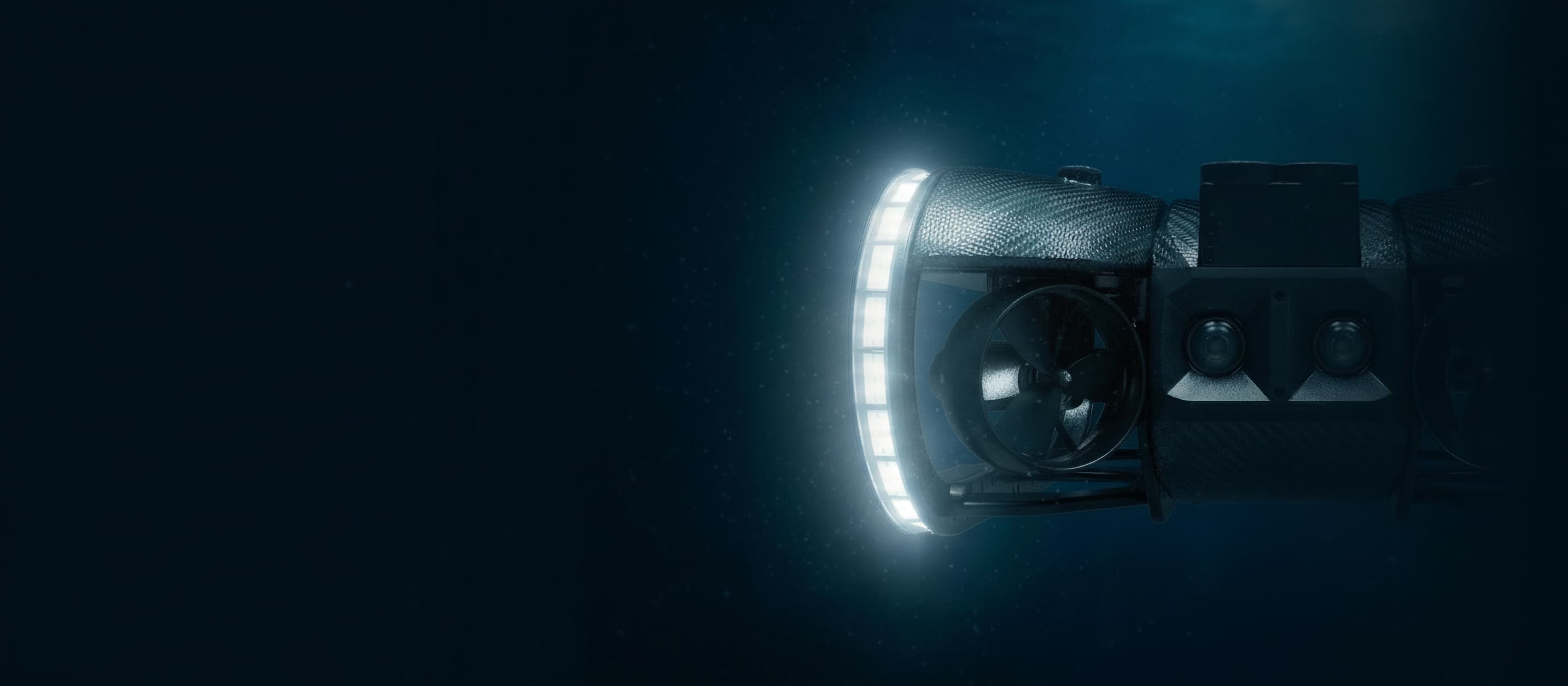
Deep Trekker’s SPECTRA ROV integrates 3D Sonar SLAM, 4K stereo vision,...
November 3rd, 2025
At REPMUS 2025, Deep Trekker’s ROVs validated real-world mine countermeasure capabilities...