Configure Now
Items in Your Cart0
0Items in Your Cart
Start building your packageShop Now
Conducting water tank inspections is a meticulous process that involves assessing the condition of the storage container to identify potential issues such as damage or contamination. The primary goal is to ensure the stored water remains safe, especially for applications like drinking or cooking. Regular examinations play a crucial role in detecting problems such as leaks, contamination, structural wear, or material deterioration, all of which could compromise water quality and pose health risks.
Timely inspections enable proactive maintenance and repairs, preventing costly damage and ensuring the tank's long-term durability. In industrial and municipal settings, maintaining tank integrity is critical for ensuring a continuous water supply and facilitating fire protection. Furthermore, periodic checks are indispensable for adhering to safety regulations and environmental standards, emphasizing the pivotal role inspections play in protecting public health and ensuring the availability of clean and reliable water.
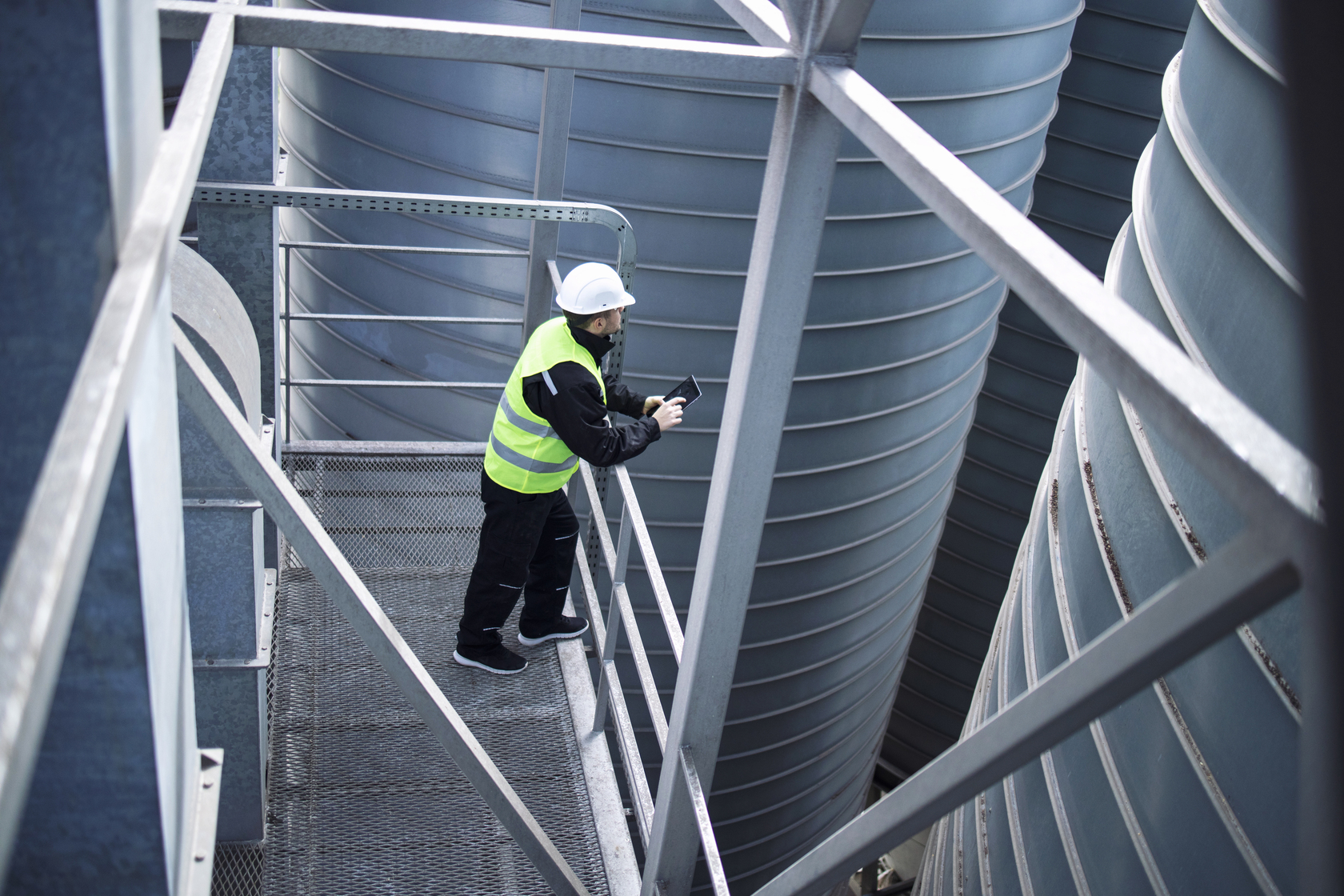 Water tank inspection methods are essential for ensuring the safety and reliability of these critical infrastructure components. Whether it's a municipal water reservoir or an industrial storage tank, regular inspections are vital to detect and address issues such as corrosion, leaks, and contamination. This proactive approach to maintenance helps prevent costly repairs and ensures that clean, safe water continues to flow to communities and industries alike.
Visual inspection stands as the primary and most prevalent method for evaluating water tank conditions. During this process, inspectors closely examine the tank's interior and exterior, utilizing confined space entry procedures when necessary. Internal walls, floors, and roofs are closely examined, while external features like access hatches, vents, and security elements are checked for visible signs of corrosion or structural issues
This foundational method, while cost-effective and frequently conducted, may necessitate advanced testing methods for more in-depth assessments, making it indispensable for ensuring overall tank integrity. It is important to note that this method is also the least efficient option.
The washout inspection method involves temporarily shutting down, draining, and cleaning a water tank to assess its condition and remove accumulated sediment or sludge. This process, supplemented by Non-Destructive Testing (NDT) methods like ultrasonic testing, allows inspectors to uncover hidden defects.
The frequency of washout inspections, often determined by local regulations, varies based on factors such as tank size, location, and usage. Frequent inspections, crucial for tanks supplying drinking water, adhere to stringent schedules to ensure public health and safety.
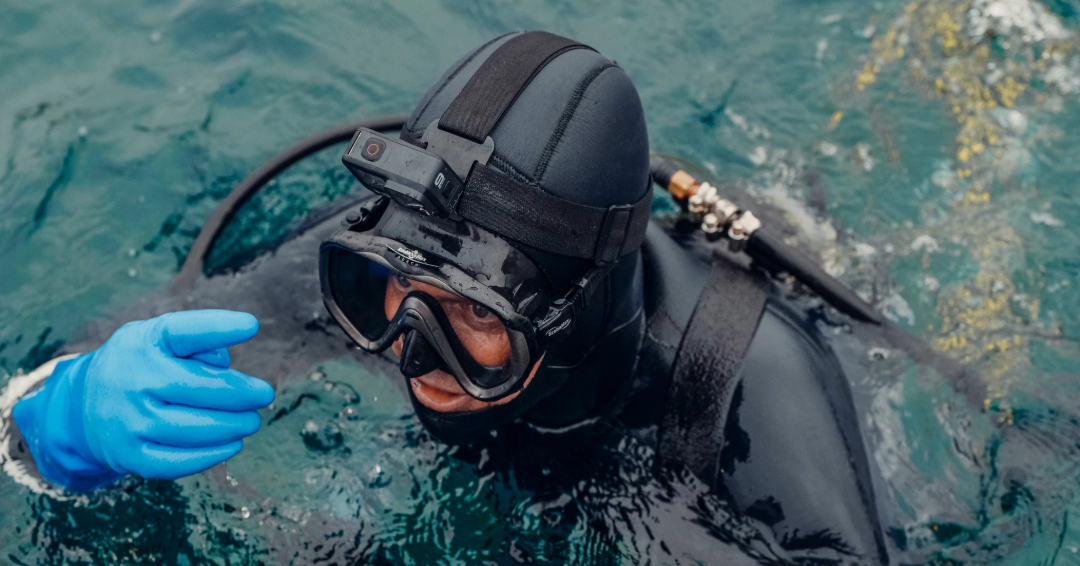 Dive inspections, conducted by certified and trained divers, offer a specialized approach to assessing submerged portions of water tanks without the need for shutdowns or draining. Essential for large water storage facilities like reservoirs and towers, dive inspections allow a clear view of submerged interiors that are inaccessible through traditional above-ground inspections.
Diver inspections are often conducted in compliance with local regulations and industry standards. The inspection frequency and requirements can vary based on the size and use of the water tank and may be mandated by government agencies or water utilities. The divers go through certification and training, take proper safety measures, use access points, and conduct visual inspections closely while maintaining communication with surface personnel.
Traditional methods of cleaning and maintaining water tanks present a myriad of challenges that can hinder their effectiveness.
Traditional tank cleaning involving divers entails significant safety risks, including decompression time, oxygen limitations, and exposure to harmful chemicals. Low visibility during dive inspections further complicates the process, emphasizing the need for safer and more efficient water tank maintenance approaches.
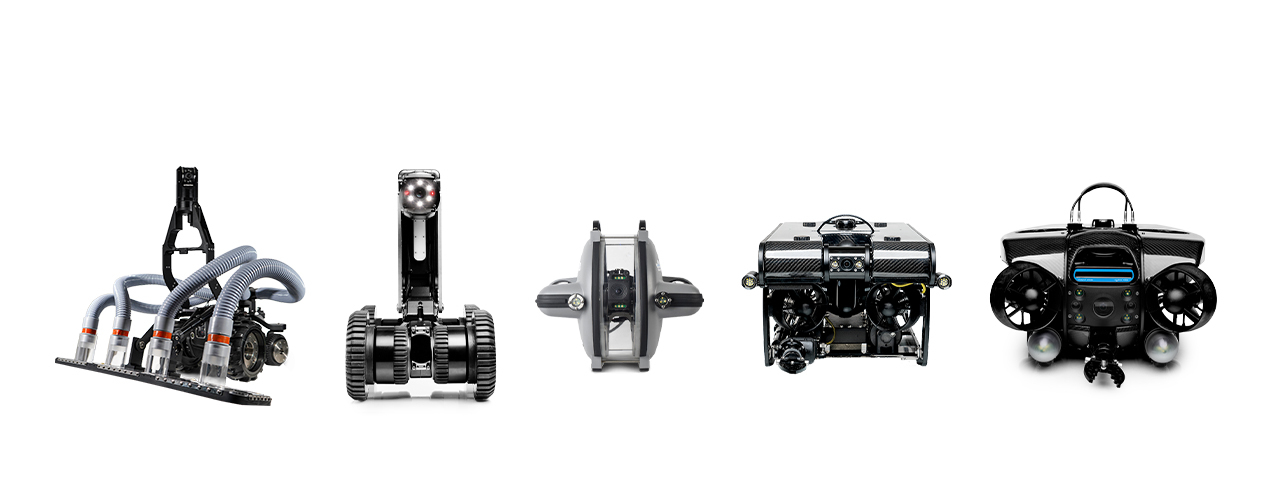 ROVs (Remotely Operated Vehicles) have emerged as innovative tools that hold the potential to revolutionize water tank operations. These unmanned, submersible devices are equipped with advanced technology, offering precise and efficient navigation for tank inspection and maintenance. In an era of technological advancement, integrating ROVs into water tank operations holds the potential to elevate safety, minimize downtime, and ensure a continuous supply of clean and safe water to communities and industries.
One of the key ways in which ROVs can optimize water tank operations is by minimizing the need for human divers. Traditional tank cleaning and inspection methods often expose divers to significant safety risks and logistical challenges. ROVs, controlled remotely, access confined and hazardous spaces without endangering lives. This not only enhances safety but also reduces downtime associated with diving operations, making water tank maintenance more efficient and cost-effective. ROVs, equipped with high-definition video and sensor data capabilities, provide clear insights into tank conditions, even in low-visibility environments, ensuring thorough inspections and maintenance.
ROVs significantly enhance the efficiency of water tank operations through a range of cutting-edge features. Equipped with cameras and sensors, they enable precise and comprehensive inspections, navigating through confined spaces with ease. Navigating through confined spaces, which can be a challenge for humans, becomes remarkably easy for ROVs, allowing them to access even the most inaccessible areas.
The real-time video feeds and high-resolution images they provide ensure unparalleled visibility, streamlining the maintenance and inspection processes. With their ability to access even the most inaccessible areas, ROVs contribute to quicker, more thorough, and ultimately, more efficient water tank operations.
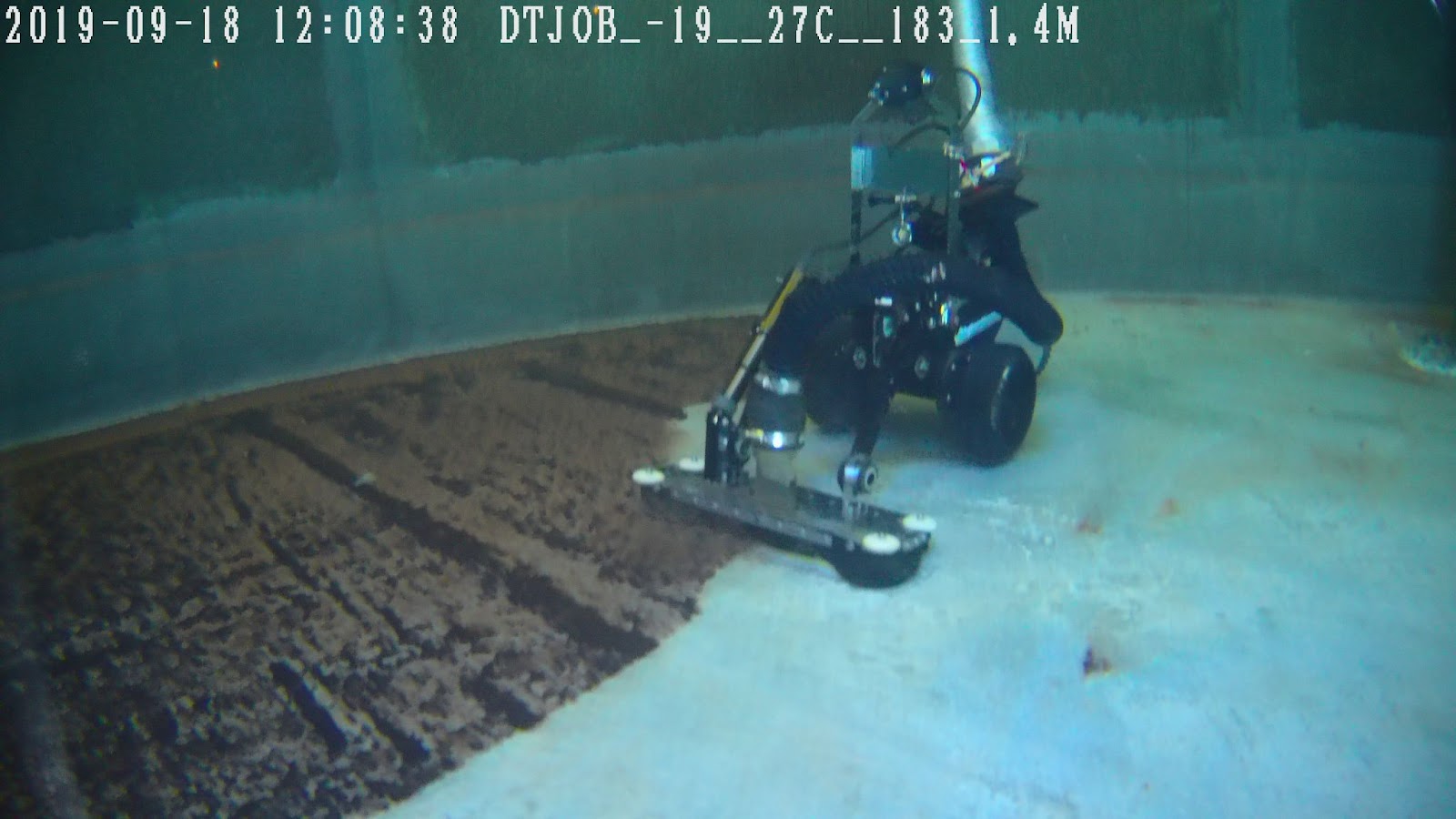 ROVs play a crucial role in water tank maintenance. Integrated with specialized tools, these remotely operated vehicles can efficiently perform repairs and tackle critical tasks such as sediment removal and clearing blockages without requiring tank drainage. What sets them apart is their ability to execute these tasks without the necessity of draining the tank, minimizing downtime and disruptions to water supply. This capability not only streamlines the maintenance process but also ensures that water tank operations can continue uninterrupted, promoting the consistent delivery of clean and safe water to communities and industries.
ROVs offer a significant advantage in optimizing water tank operations by extending dive time. Their robust battery life enables these remotely operated vehicles to remain submerged for hours at a stretch. This extended dive time is a crucial benefit, as it allows for thorough and unhurried inspections and maintenance activities within water tanks, ensuring that no detail is missed. It also contributes to increased efficiency, as operators have the flexibility to take their time and perform tasks meticulously, ultimately leading to better water tank maintenance and improved water quality for communities and industries.
Talk to us about how our ROVs improve the safety, cost and speed of water tank inspections and cleanings
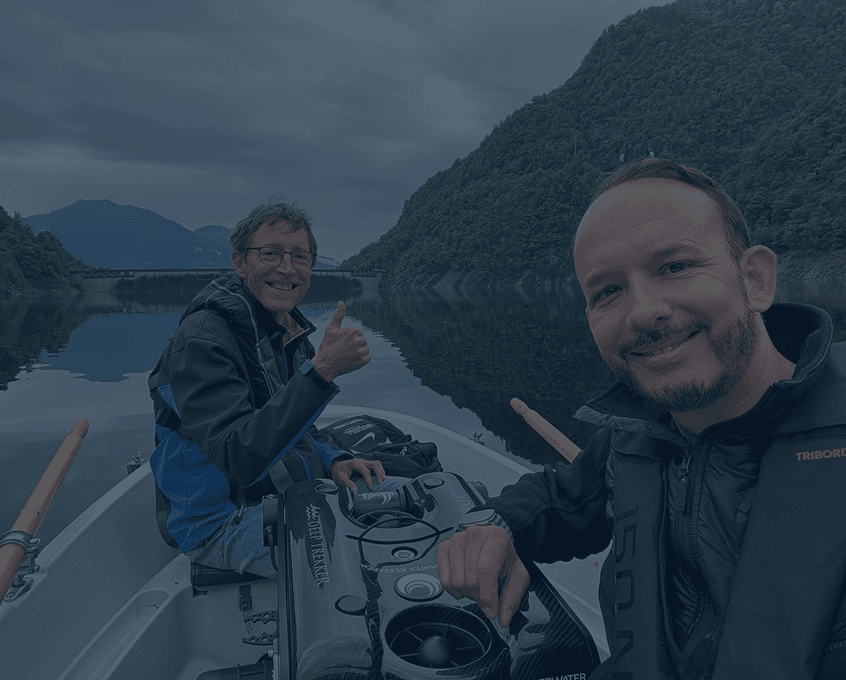
We had the privilege to engage in a conversation with Dan and Jo Hulands from The Tank Inspectors, diving into their extensive experience of utilizing ROVs to elevate their tank inspection and cleaning services. With over 30 years in water tank construction and liner installation, The Tank Inspectors provide comprehensive tank inspection services, including inspections, cleaning, and detailed reporting, catering to a diverse clientele, from fire management agencies to asset management firms and mining companies. Through the integration of robotic solutions, they effectively mitigate OH&S risks in their operations.
Operating across Perth, Adelaide, Cairns, Brisbane, and Melbourne, The Tank Inspectors offer a range of services, notably including:
In this case study, we focus on their ROV tank cleaning and inspection services, where the Deep Trekker VAC Crawler plays a pivotal role.
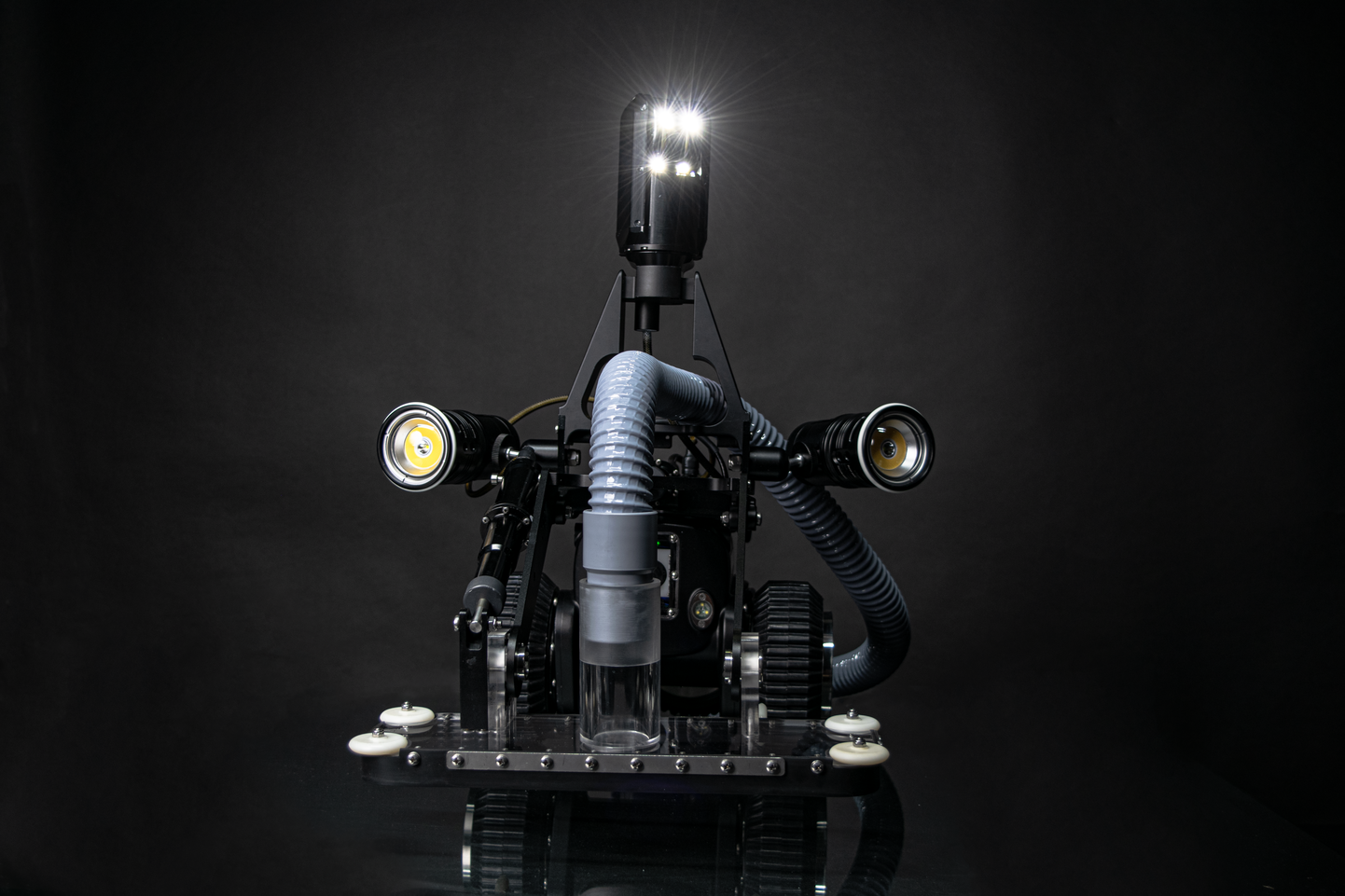 The Deep Trekker VAC Crawler, a purpose-built ROV, stands as a testament to innovation, tailored for challenging underwater environments. Equipped with a specially designed low-light camera, it delivers high-quality feedback, ensuring precise inspections. With lithium-ion battery power eliminating the need for a topside power source, the VAC Crawler becomes a highly portable solution. Its impressive 360-degree turn radius enhances maneuverability, providing operators with an effective tool for inspecting underwater infrastructure.
Featuring an 18-inch dual intake vacuum head, the VAC Crawler offers an efficient and convenient approach to tank cleanings. Available in the standard VAC package and the VAC XL package, the VAC Crawler has a solution tailored for you.
Utilizing the VAC Crawler enables The Tank Inspectors to surpass traditional methods and redefine their operational efficiency. Operations Manager Jo Hulands highlighted, "Pretty much 80% of the tanks that we do, we can clean with the vacuum cleaner," emphasizing the pivotal role of the ROV in ensuring comprehensive inspections and cleanings.
By using the ROV in lieu of a human diver, The Tank Inspectors enhance safety, save time, and significantly reduce costs. In addition to OH&S standards regarding people in tanks and limiting the time people can actually be in the tanks, Dan explained that with the ROV, “There’s a lot less set up time, divers require a lot of set up.” Divers also require scheduling and coordinating, where the VAC Crawler can be deployed quickly and conveniently in mere minutes.
In addition to saving time, the use of the VAC Crawler saves the Tank Inspector team significant amounts of money, with Dan and Jo estimating that the ROV is “40% of the cost of using divers.” “In fact,” Jo continued, “many diving companies, themselves use the ROV to limit dive time by scoping out jobs with the DTG3 and undertaking cleans with the VAC Crawler.”
Dan highlighted a crucial distinction, stating, "The divers know about diving - they don’t necessarily know about tanks. All of our operators know about tanks and have been working with tanks for many years." This expertise ensures specialized inspections and cleaning procedures.
The Tank Inspectors also prioritize health standards by easily sanitizing the ROVs with a chlorine solution. This practice aligns with health regulations, offering a practical means to prevent water contamination during inspections and cleanings, reinforcing their commitment to delivering clean and safe water to the community.
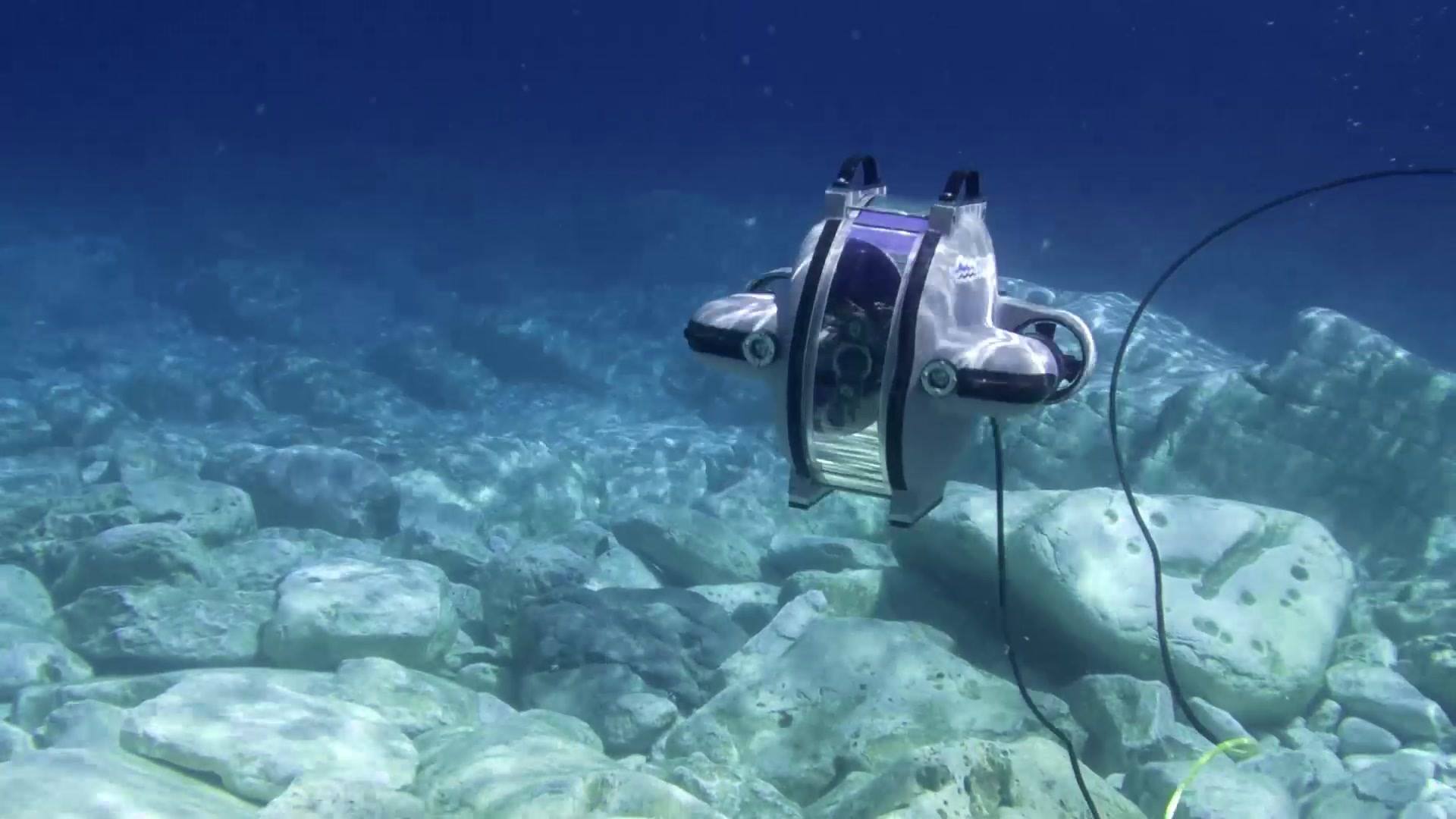 Deep Trekker ROVs stand at the forefront of a transformative solution for optimizing tank operations. These adaptable remotely operated vehicles introduce innovation and efficiency to the maintenance and inspection of water tanks. Leveraging cutting-edge technology, simplicity, portability, and modular capabilities, they deliver a comprehensive approach to ensure safe, thorough, and cost-effective tank operations.
Deep Trekker ROVs redefine tank operations with their remarkable ease of sanitization, employing a chlorine solution to meet stringent health standards. This not only ensures compliance with health regulations but also facilitates safe and contamination-free inspections and cleanings.
Deep Trekker ROVs offer a seamless solution to optimize tank operations with their exceptional ease of use. Equipped with a rotating high-definition camera, they make tank inspections a breeze, providing unparalleled clarity and precision. The convenience is further enhanced with the intuitive BRIDGE controller, simplifying the navigation and operation of these remotely operated vehicles. Deep Trekker ROVs redefine the efficiency of tank maintenance and inspections, ensuring that these tasks are not only effective but also user-friendly, making them an invaluable tool for a wide range of industries
Powered by Lithium based batteries, these versatile ROVs eliminate the need for external topside generators or power sources, offering unprecedented convenience. The controller, which is handheld, further enhances their mobility and flexibility, making them a perfect choice for efficient tank inspections and maintenance in a wide array of environments. These features ensure that Deep Trekker ROVs are both user-friendly and highly adaptable, providing a compact yet robust solution for all your tank-related needs.
Deep Trekker ROVs lead the charge in optimizing tank operations, thanks to their impressive array of modular add-ons. The integration of imaging sonar vastly improves inspection capabilities, particularly in challenging low-visibility conditions, enabling comprehensive assessments of tank conditions. Their modular arms and grabbing tools also expand their utility, offering invaluable assistance in repair and maintenance tasks.
Deep Trekker ROVs, built for versatility and durability with industrial-grade materials, offer time-efficient deployment and a host of advanced features. They are easily portable and quick to deploy, boasting powerful LED lights, a live 4K video feed, a 360-degree field of view, imaging sonar, and versatile sampling tools. Our experienced team provides expert guidance for various applications, from water tank inspections to underwater inspections in a range of industries, ensuring tailored solutions for your specific needs. When you're ready to secure your Deep Trekker ROV, contact us for a customized quote, and enhance the safety, efficiency, and success of your submersible operations.

March 17th, 2026
Two-day AIMS training program teaches SAR teams how to integrate sonar...
March 11th, 2026
Deep Trekker’s SPECTRA ROV integrates 3D Sonar SLAM, 4K stereo vision,...

November 3rd, 2025
At REPMUS 2025, Deep Trekker’s ROVs validated real-world mine countermeasure capabilities...