Configure Now
Items in Your Cart0
0Items in Your Cart
Start building your packageShop Now
The The United Nations Development Programme (UNDP) is strengthening Ukraine’s national underwater demining capability by funding, delivering, and coordinating the equipment, training, and operational frameworks required for civil agencies to safely locate and identify explosive hazards in aquatic environments. Central to this effort is the deployment of the Deep Trekker REVOLUTION Remotely Operated Vehicle (ROV), paired with structured operator and instructor training for the agencies responsible for field operations.
With contamination estimated across 13,500 km² of rivers, canals, reservoirs, and coastal waters, Ukraine’s underwater demining challenge requires tools that can operate where visibility, currents, and risk make diver-first approaches impractical. Portable ROV systems now allow national agencies to perform remote visual identification and sonar assessment of suspected explosive remnants of war before committing divers.
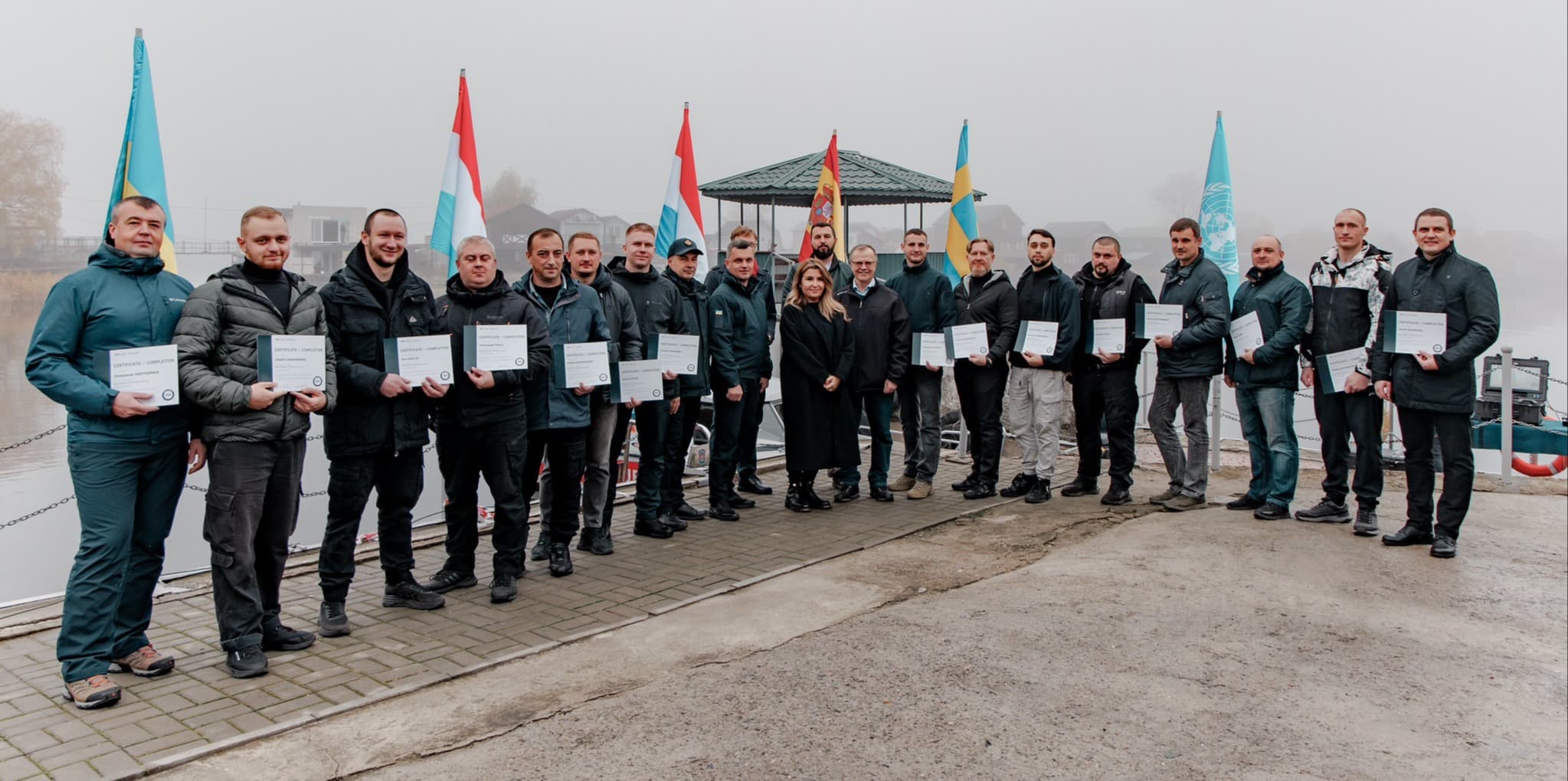
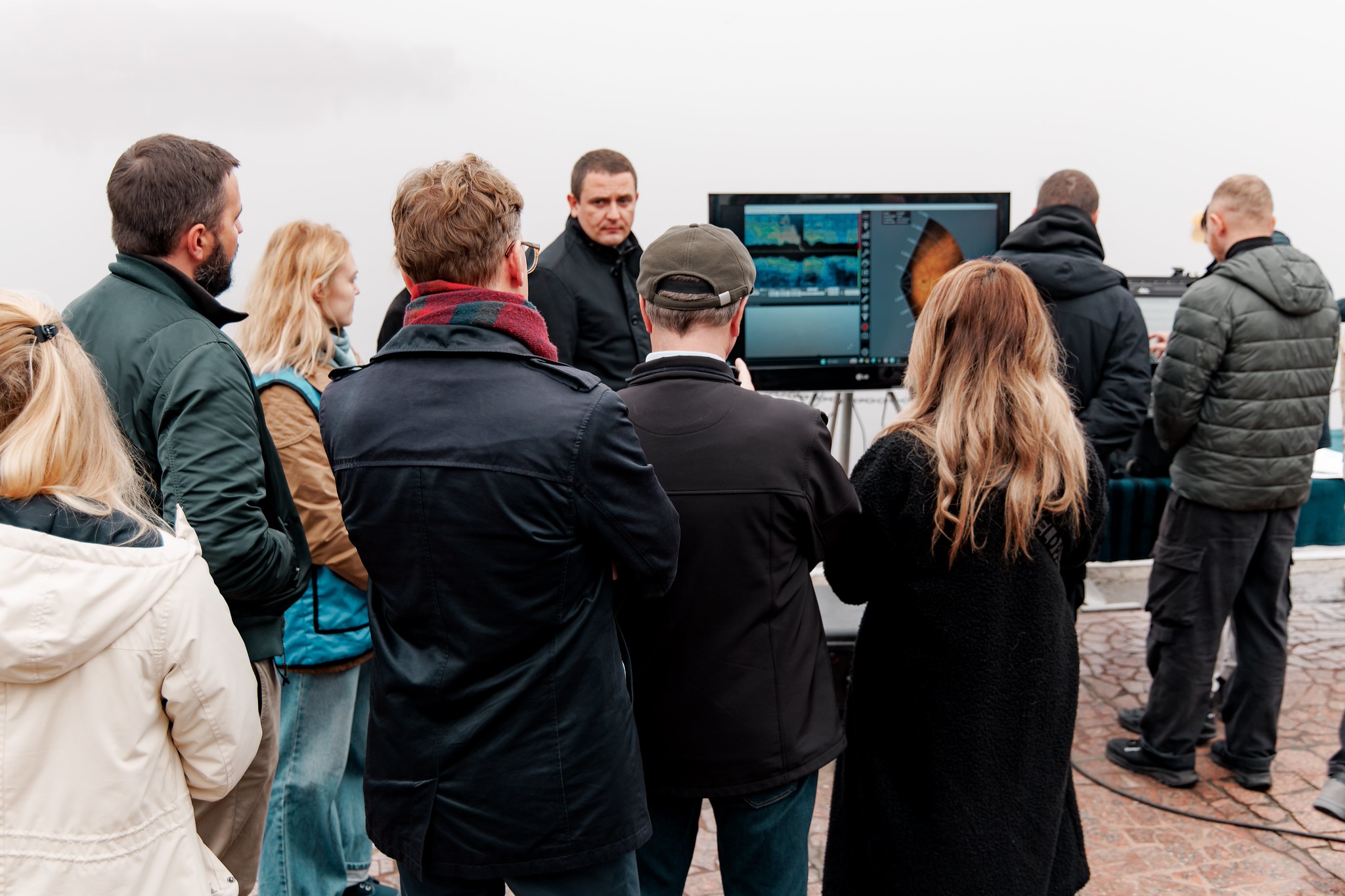
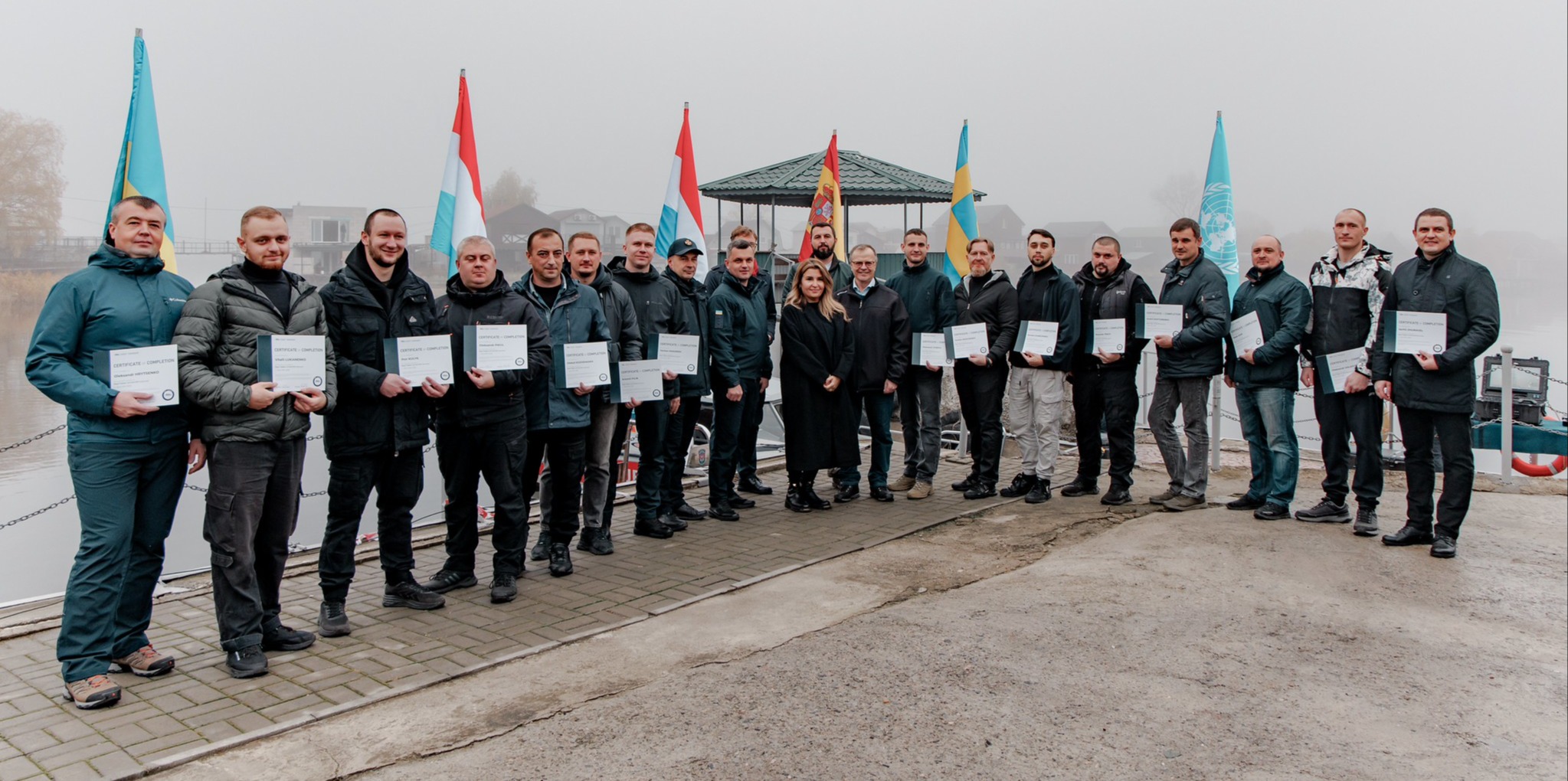
Since early 2025, Deep Trekker has supported UNDP’s program through two dedicated missions in Ukraine, delivering hands-on training, technical support, and procedural development. These activities are focused on enabling SESU, SSTS, the National Police, and National Mine Action authorities to independently conduct underwater search, identification, and survey tasks. A key outcome of this work is the establishment of Ukraine’s first unified group of certified underwater ROV instructors, tasked with training operators nationwide.
UNDP’s Mine Action Programme is focused on restoring safe access to critical waterways, supporting local communities, and reducing the long-term impact of explosive remnants of war, concentrating on providing the funding, equipment, training, and operational frameworks that enable Ukrainian authorities to carry out underwater demining activities.
Current estimates indicate that only 1.41% of contaminated aquatic territory has been cleared to date (approximately 190 km²), despite the removal of more than 2,800 explosive devices by SESU dive teams since the start of the full-scale invasion. This gap reflects the scale and complexity of underwater explosive contamination rather than a lack of operational effort.
By supplying ROV systems and coordinating multi-agency training, UNDP is addressing a critical bottleneck: the ability to assess underwater hazards safely and consistently before diver deployment. This approach reduces risk to personnel while allowing agencies to prioritize clearance operations based on verified data.
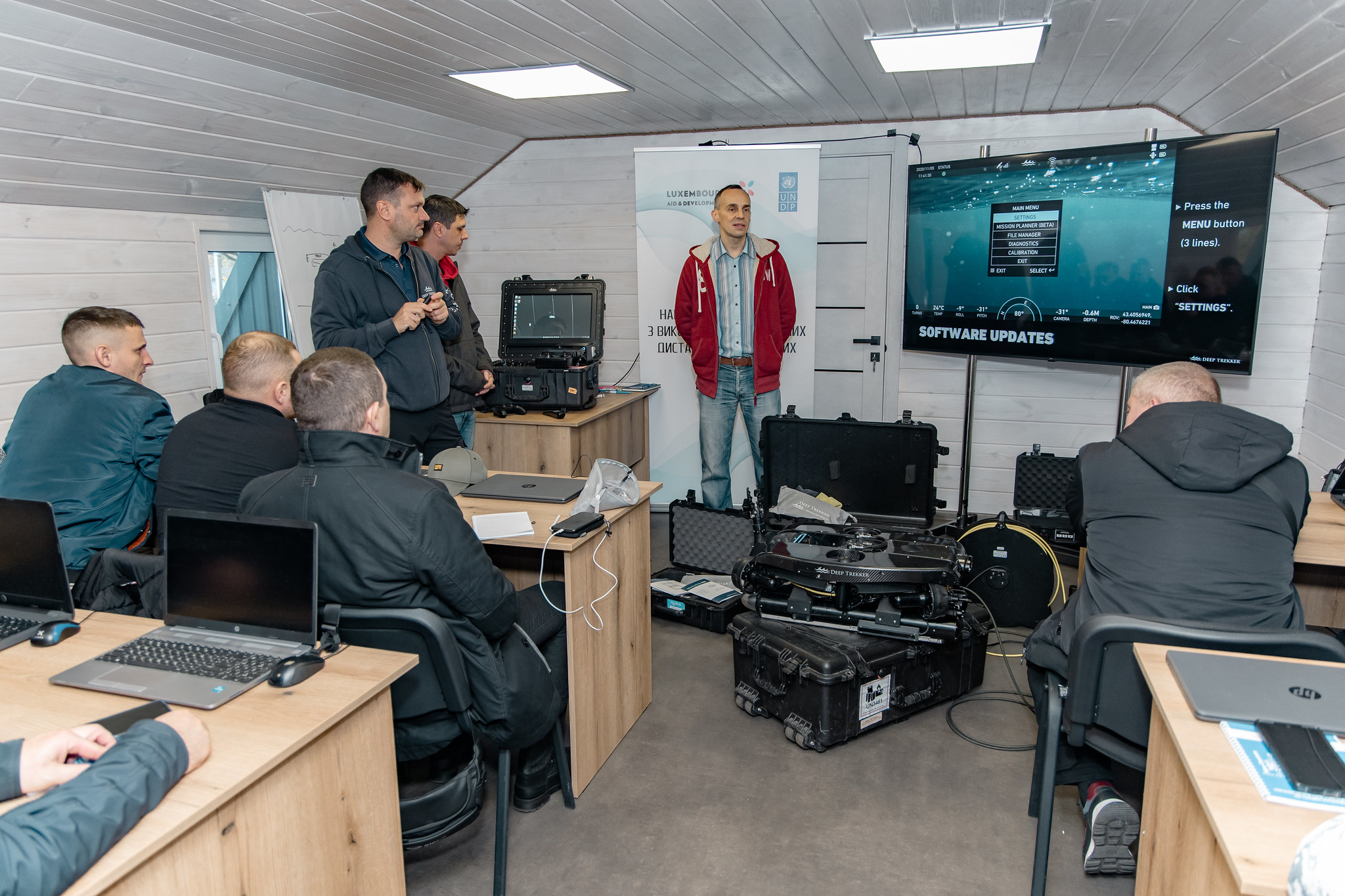
This mission is funded through international donor support, with contributions from France, Korea, the Netherlands, and Denmark, all of which play a decisive role in enabling equipment delivery and capacity-building efforts across Ukraine.
To date, a total of 52 REVOLUTION ROV systems have been delivered under UNDP-supported civil underwater demining initiatives in Ukraine.
The first tranche, consisting of 16 REVOLUTION ROVs, was delivered to the State Emergency Service of Ukraine (SESU/DSNS) and placed into operational service. Building on this foundation, the second tranche of 36 underwater drones has now been assigned across four national agencies:
The second tranche allocations include 22 REVOLUTION systems to the Special State Transportation Service (SSTS), a Ministry of Defense–dependent civil authority; 8 systems to the State Emergency Service of Ukraine (SESU/DSNS), building on its Tranche 1 deployment; 4 systems to the National Police of Ukraine for evidence documentation and hazard marking; and 2 systems to the National Mine Action Center (NMAC) to support coordination of national standards and demining methodology.
These allocations confirm the REVOLUTION as the benchmark for civil underwater demining inside Ukraine.
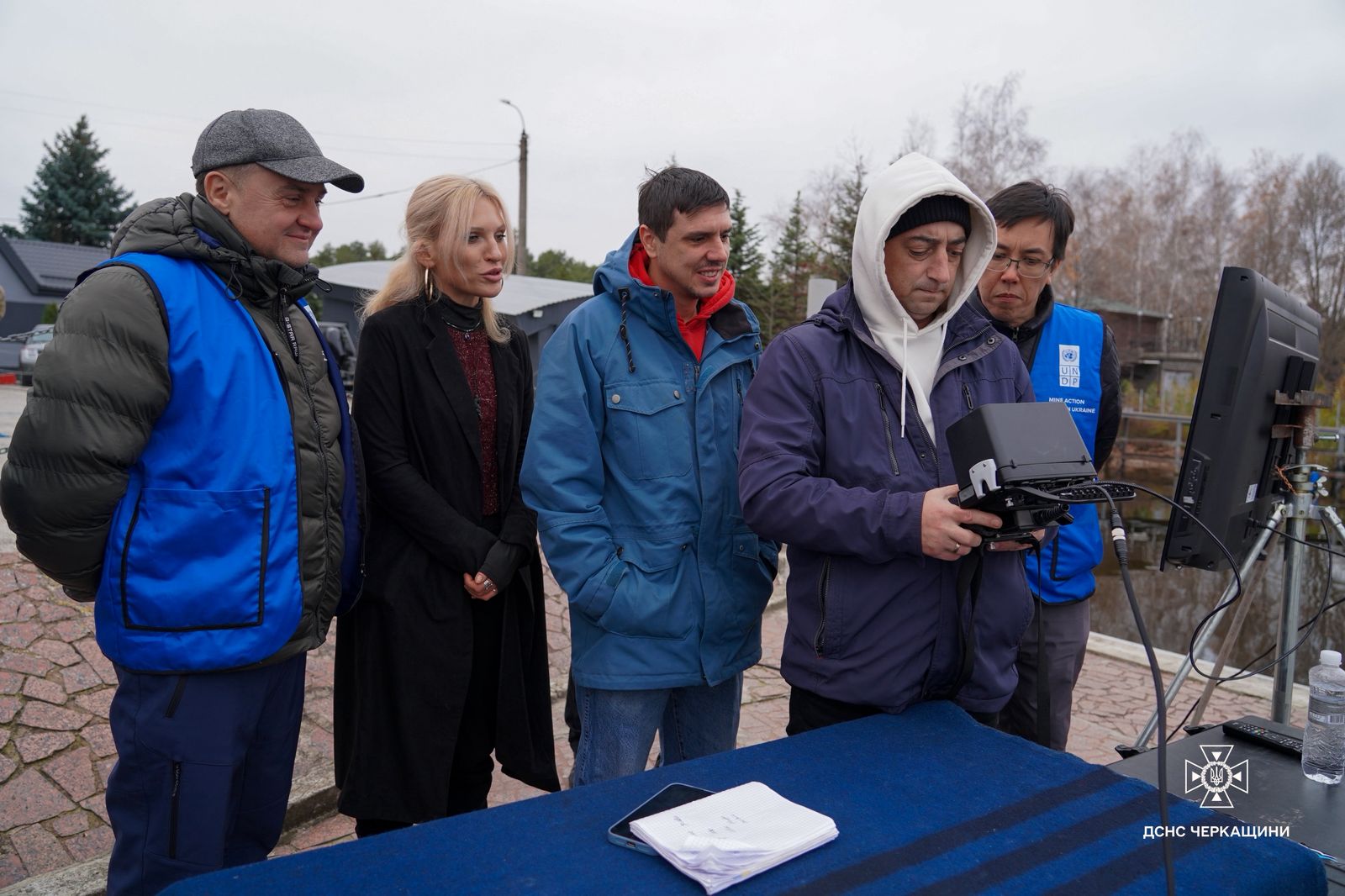
Field reports from recent deployments show immediate operational utility. During training in Cherkasy, SESU operators used the ROV to inspect missile damage to a dam on the Dnipro River, collecting sonar and video data in strong currents and turbid water - an environment unsuitable for divers.
Learn all about underwater mines and explosive ordnance disposal, the risks involved, and how ROVs can help while providing extra safety and speed for divers.
Deep Trekker has delivered two structured training phases in Ukraine during 2025, aligned with UNDP’s capacity-building objectives.
Operator-Focused Training (May 2025)
This course was structured to rapidly qualify operators across SESU, SSTS, NPU, and NMAC, producing teams capable of deploying the REVOLUTION in real missions shortly after instruction.
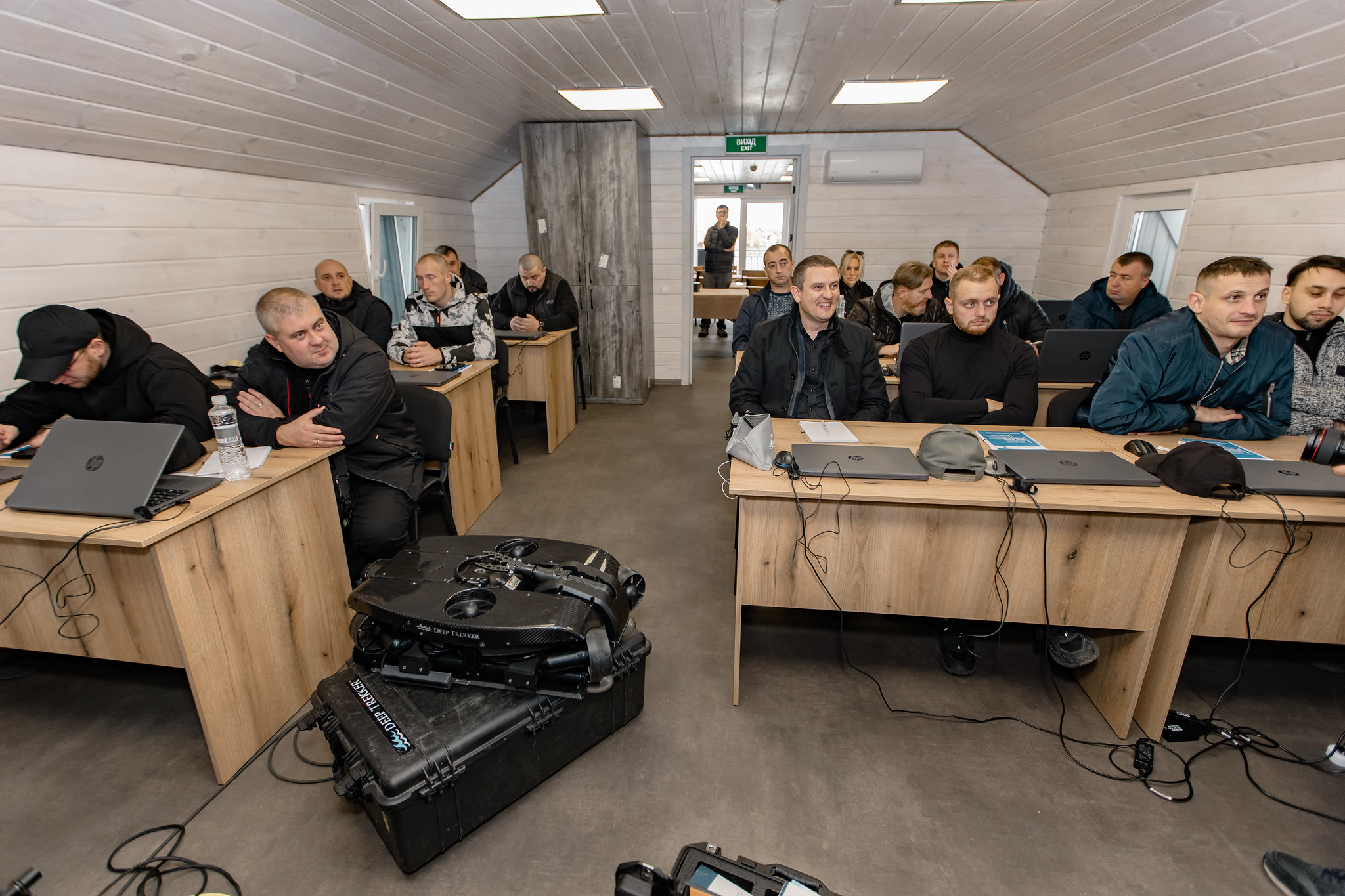
Train-the-Trainer Program (November 2025)
This second phase was designed in collaboration with UNDP to build a permanent national training body. These certified instructors can now deliver standardized instruction across every region, ensuring consistent procedures and scaling future capability without external support.
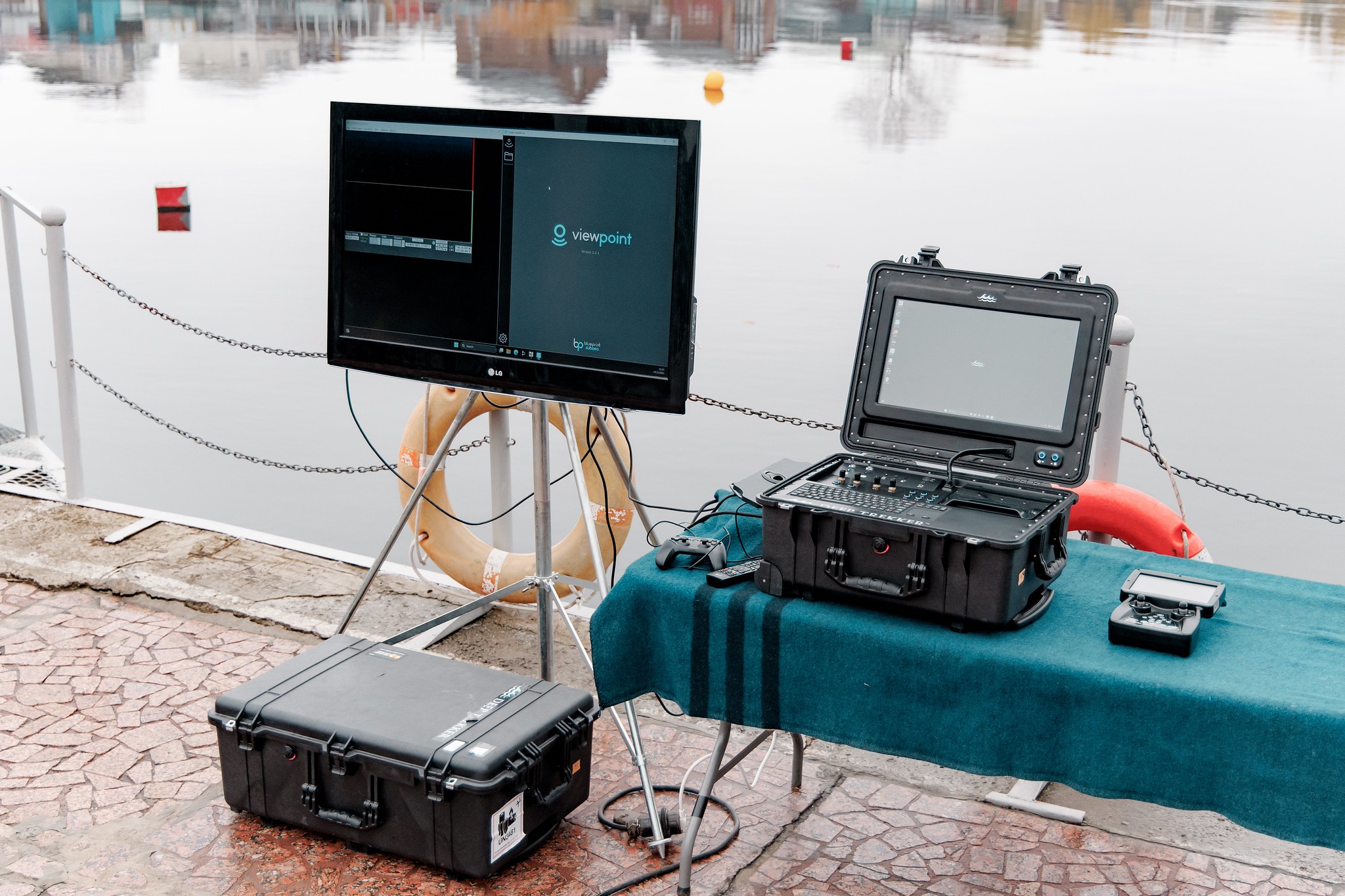
UNDP emphasized the importance of this milestone during the graduation event:
“This ToT is a game-changer because it moves beyond simply providing equipment or technical know-how – it’s about institutional building, self-sufficiency, and national ownership,” El-Houjeiri said. “By establishing a coordinated national action, Ukraine can ensure coherent implementation and long-term sustainability across all key state entities. This is a strategic investment in Ukraine's future, enabling the country to manage the long-term clearance effort efficiently and safely.”
Ukraine’s inland and coastal waters present persistent operational constraints for underwater demining dive teams:
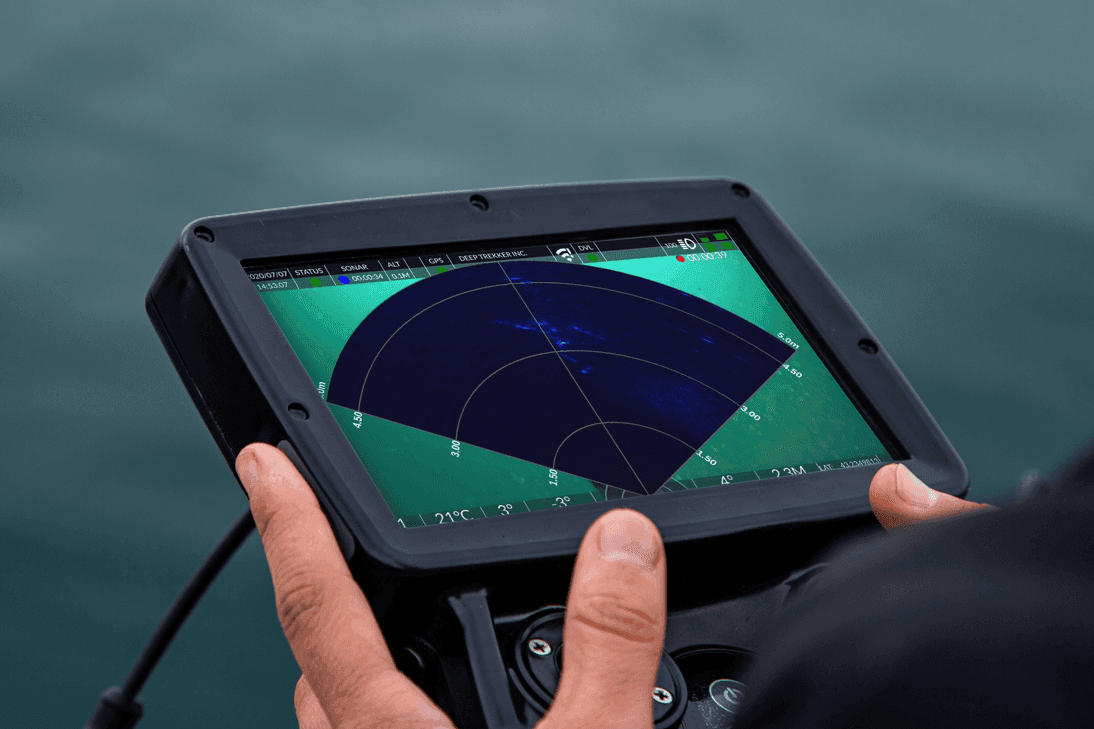
The REVOLUTION ROV’s modular architecture, vectored thruster layout, and integrated imaging sonar provide controlled maneuvering and repeatable data collection under these conditions. The underwater ROV is rated to 300 m depth, covering environments from irrigation channels to deep hydraulic structures.
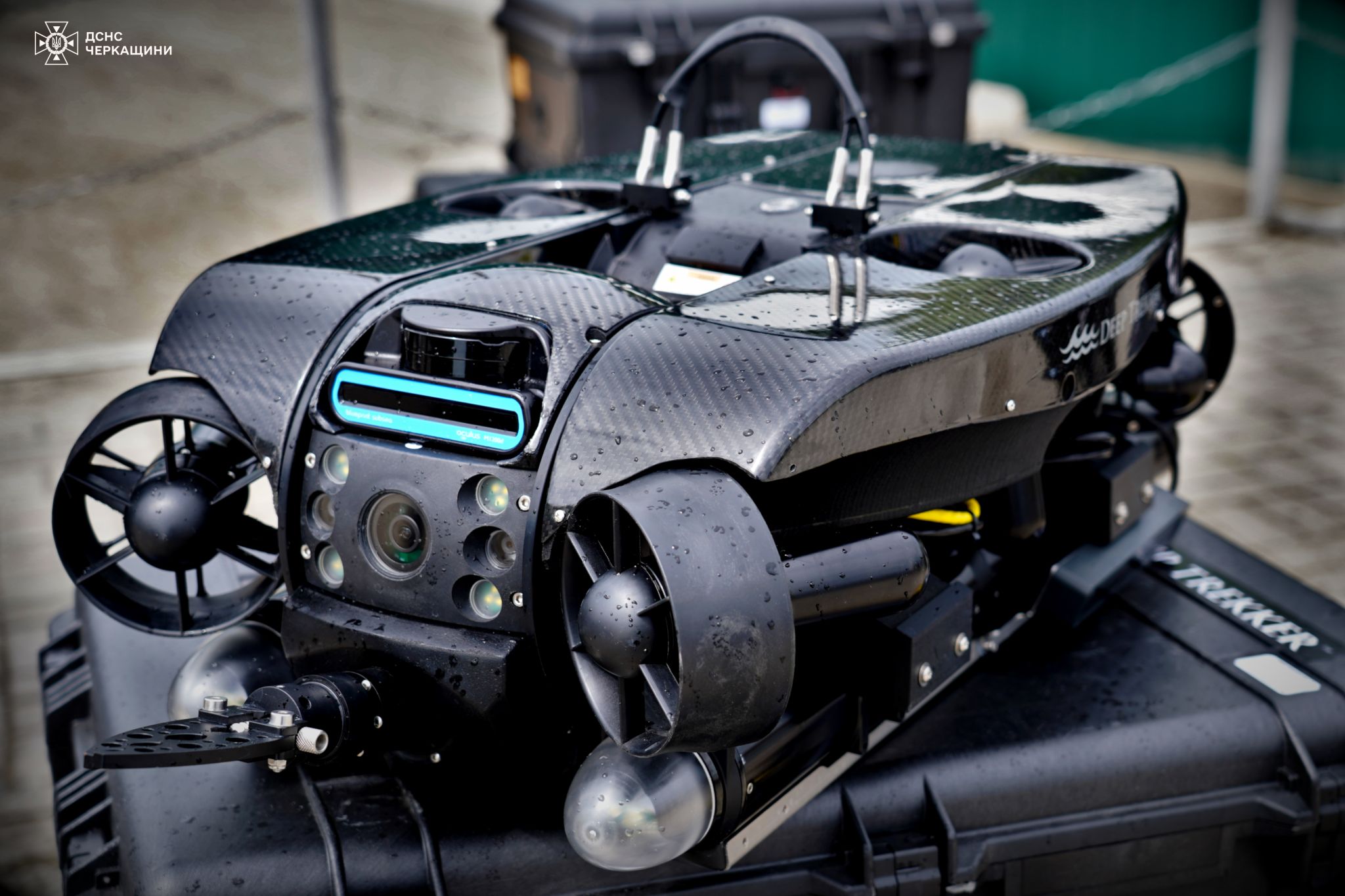
SESU operators emphasized the impact on diver safety and the value of remote identification capabilities:
“ROV technology fundamentally transforms how we approach underwater demining,” said Yevhen Radchenko, an underwater deminer and instructor with SESU who participated in the course. “In near-zero visibility and strong currents, we can now deploy these robots to safely locate and identify explosive devices before any diver enters the water. This isn’t just about efficiency – it’s about bringing our people home safely every day.”
These features directly reduce risk to dive teams while increasing the speed at which waterways can be assessed and prioritized.
Use ROVs to improve the locating, identification and retrieval of your target
The November 2025 Depth of Safety: National Conference on Underwater Demining in Lviv - supported by the Ministry of Defense, UNDP, and the Government of the Republic of Korea - represents the next step in building a coordinated national approach.
Key objectives:
Deep Trekker has been selected as one of the few technology providers to present at the conference, reflecting the underwater ROV system’s operational relevance and its broad adoption across Ukraine.
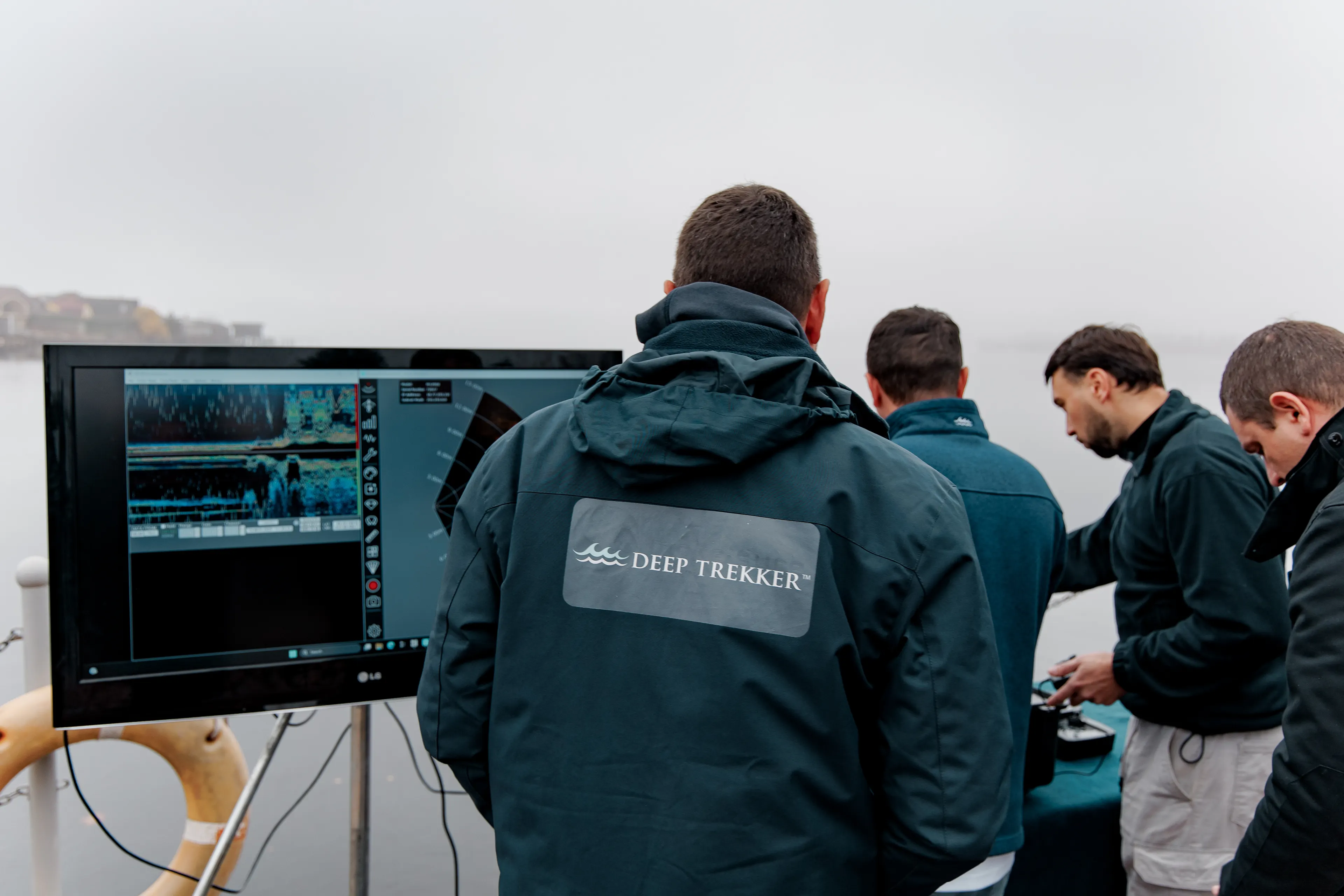
Underwater contamination affects far more than infrastructure safety. It has direct implications for food security, irrigation, river transport, hydropower, and coastal logistics. Clearing explosive hazards underwater is directly linked to Ukraine’s economic recovery.
Deputy Economy Minister Ihor Bezkaravainyi highlighted the economic impact:
“The Black Sea coastline and the Ukrainian part of the Danube Delta are vital waterways for Ukraine’s grain exports, and when we clear them, we’re tackling global food insecurity,” Bezkaravainyi said. “This training boosts the sophisticated capacity needed to protect critical infrastructure, restore our export logistics, and return waters to safe use – in particular for irrigating the fields of southern Ukraine.”
From irrigation channels in southern oblasts to ports supporting global grain supply chains, the ability to assess and clear underwater hazards is central to Ukraine’s recovery.
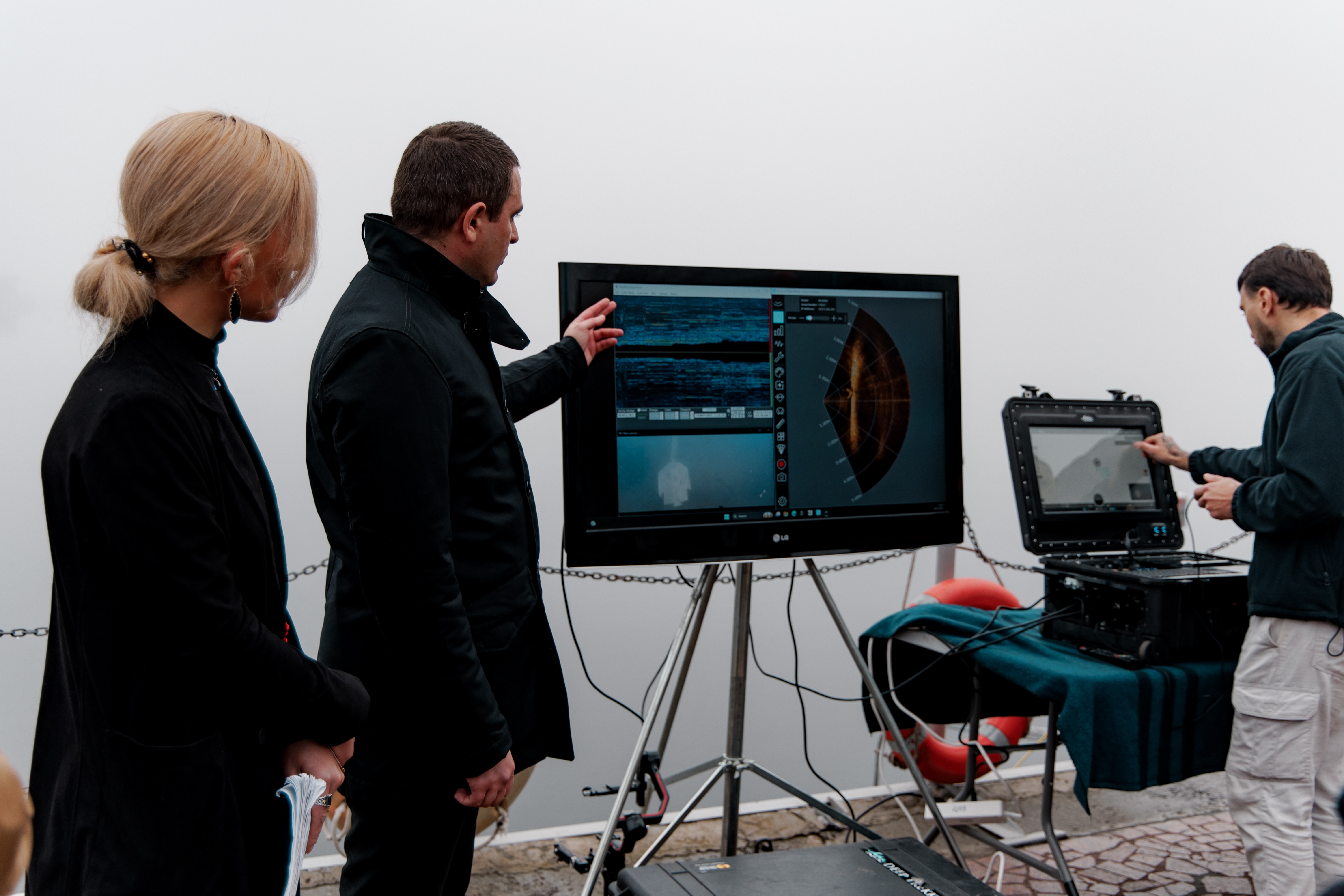
This initiative is made possible through the support of international partners including France, Korea, the Netherlands, and Denmark, whose funding directly contributes to equipment procurement, training, and long-term capacity building.
As stated by the Netherlands:
“The Netherlands is proud to stand with Ukraine and our fellow donor partners in supporting the Mine Action Programme,” said Robert Dekker, Head Political Department, Counsellor, Embassy of the Netherlands. “Clearing these waterways is a humanitarian necessity and a prerequisite for lasting peace and recovery. This initiative exemplifies how targeted technical support from international and national actors can directly enhance the safety and resilience of the Ukrainian people.”
Their contributions ensure Ukrainian agencies have the tools and knowledge to conduct this work and independently sustain underwater demining operations over the long term.
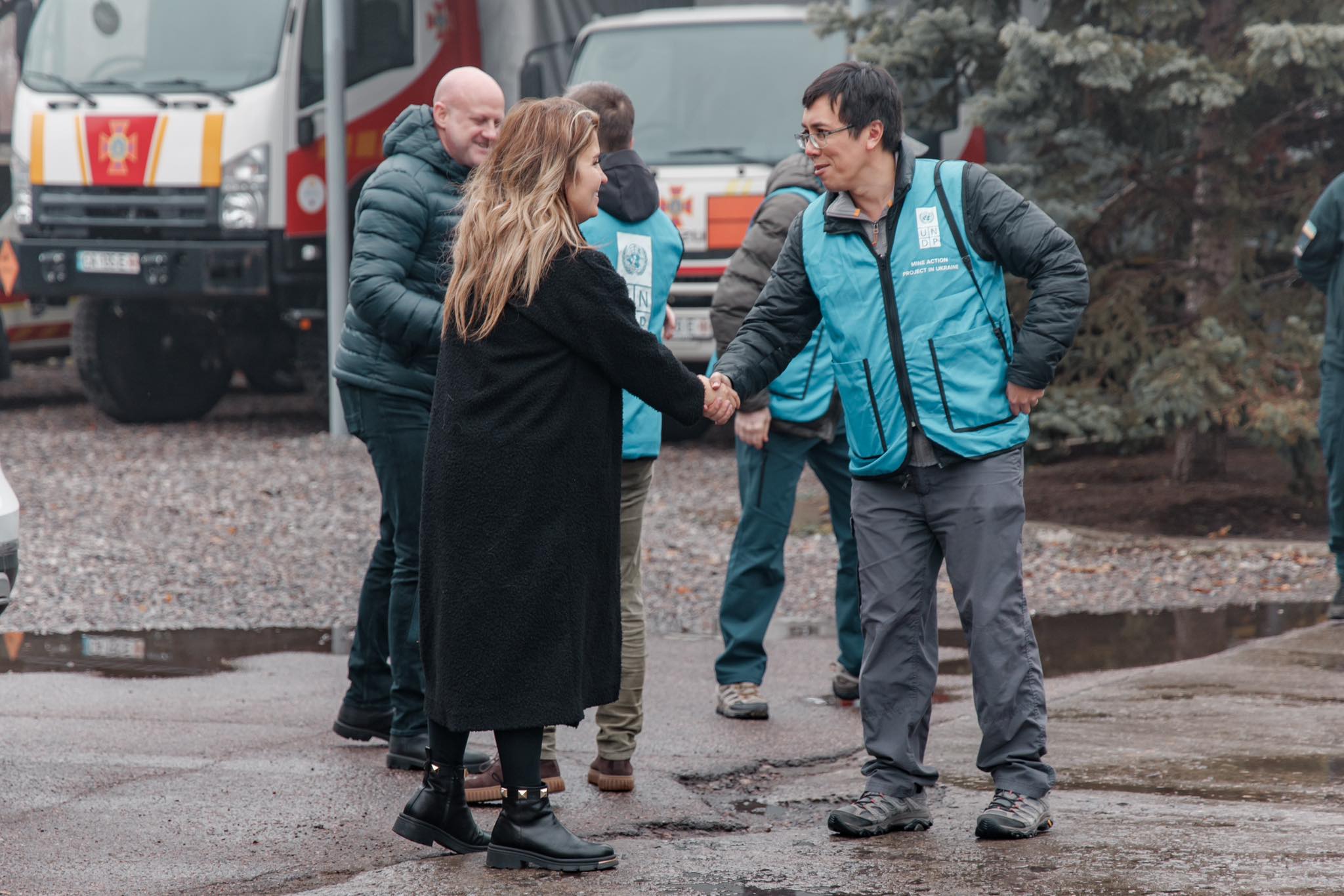
Through its partnership with Deep Trekker, UNDP is delivering the equipment, training systems, and organizational structures that enable Ukrainian civil agencies to conduct underwater demining safely and at national scale. With 52 underwater ROV systems deployed and a certified national instructor group established, Ukraine now has a sustainable framework for underwater explosive hazard identification and prioritization.
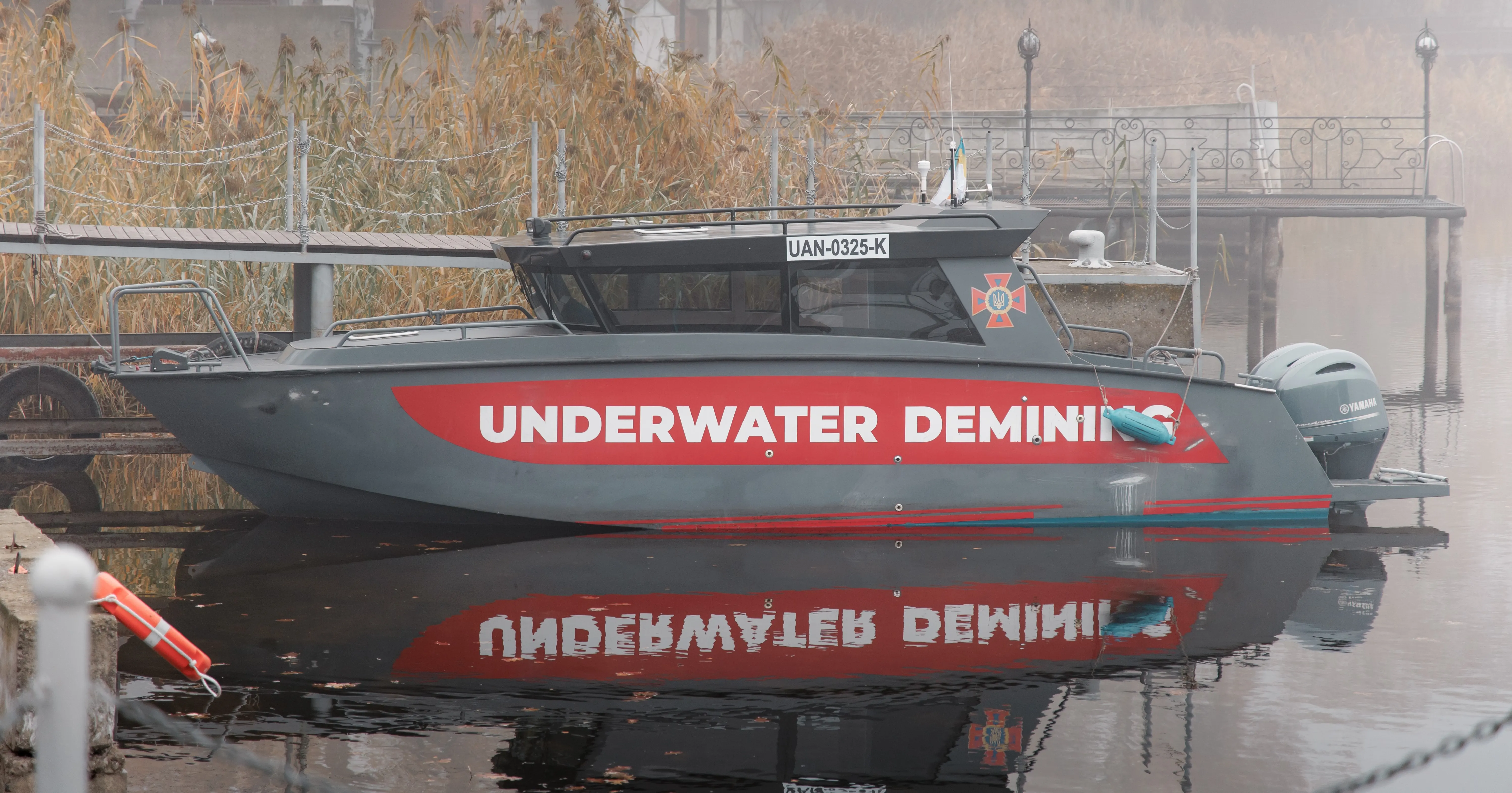
This work directly supports civilian safety, infrastructure recovery, and economic stability. Deep Trekker continues to provide technical support and training for the agencies performing underwater demining operations across Ukraine, and remains committed to supporting these frontline humanitarian operations with proven, mission-ready underwater systems - and to standing alongside the operators who put them to work.
For product and training information, visit the Deep Trekker website or get in touch with one of our training specialists.
July 3rd, 2026
Everything you need to become an ROV pilot: what the job...
September 1st, 2026
Compare imaging, side scan, echosounder, and 3D sonar systems for underwater...
December 23rd, 2021
ROVs and sonar can be used to inspect underwater structures such...