Configure Now
Items in Your Cart0
0Items in Your Cart
Start building your packageShop Now
Water is the single most important resource for supporting communities around the globe. Whether it’s for residential, industrial, municipal, or commercial use, water is used in countless ways, many of which we rarely actually see. The United States alone uses 327 billion gallons of surface water every day. But where does this water come from?
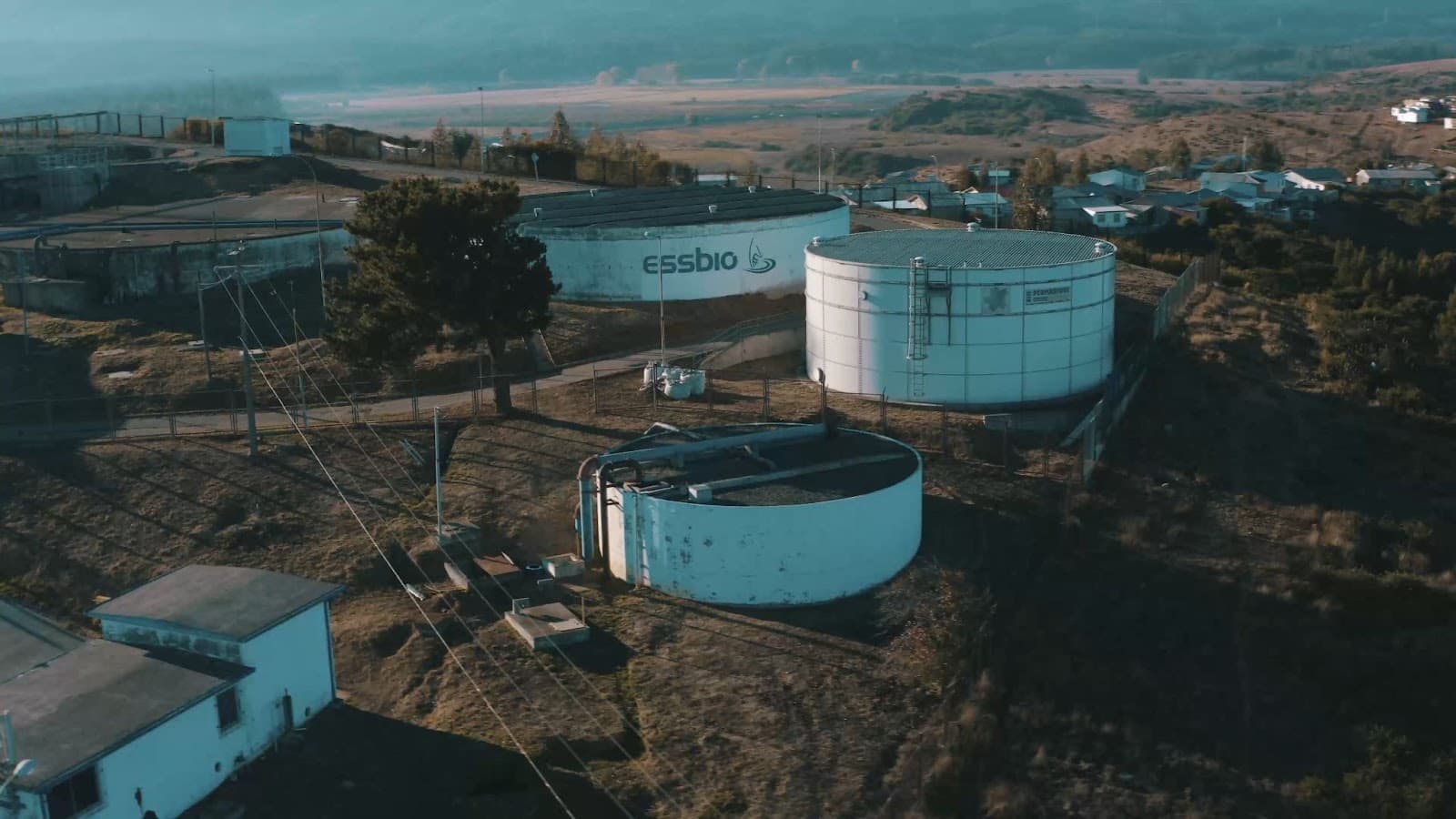
An enormous amount of usable surface water is kept in water storage tanks. In North America, the market for water storage systems is estimated at $US 3.4 billion and expected to grow to $US 4.1 billion by 2024 . Inspecting these tanks is imperative for structurally sound, clean and safe water for power, agriculture, mining, and household use. Without routine inspections, issues can arise quickly and sediment can build, compromising the integrity and cleanliness of the water.
From safeguarding potable water for daily consumption to aiding in agricultural irrigation and bolstering emergency preparedness, water storage tanks play a diverse and essential role in meeting our water needs across a wide spectrum of applications and settings. The choice of material depends on factors like the intended use, cost, location, and the properties of the stored water.
Depending on factors such as budget, environmental considerations, and intended use, various water storage tank options are available, each with its own set of advantages and considerations.
Fiberglass tanks are becoming increasingly popular in modern settings. Compared to steel and aluminum, fiberglass is not subject to corrosion or rust. Weighing much less than concrete, fiberglass boasts a respectable strength-to-weight ratio. This makes it an excellent cost-effective option for both installation and long term water tank maintenance. Fiberglass tanks are commonly used for a variety of commercial settings, and can easily be coated for potable water storage.
Fiberglass tanks can be installed both above ground and underground. Underground installation allows for a large amount of water storage, without affecting the usability of the ground topside. These tanks can be completely covered, using a manhole style access point for inspections.
Just as the name suggests, pillow tanks resemble that of a standard pillow. These tanks can be constructed of a variety of materials to store potable water, wastewater, stormwater, gray water, etc. Their flexible design allows the tank to collapse down for simple transport, with smaller models capable of fitting into a backpack. Commonly used for farms, tree nurseries, firefighting, and military bases, pillow tanks can range from 25 gallons up to an impressive 210,000 gallons.
Concrete is the heaviest of material options for storage tanks; however, it is also one of the most versatile. Concrete is in large supply all around the globe, making it an affordable and readily available option for most builds. Additionally, since concrete is a poor conductor of heat, it helps regulate water temperatures in hot climates.
Concrete tanks can be molded to countless shapes depending on the project, and typically last up to 50 years with proper maintenance. However, once degradation sets in, concrete is prone to cracking and has a relatively complex repair process. These tanks are popular permanent storage systems for potable water, rainwater, stormwater, or sewage.
As the largest storage tank options, bolted steel tanks can be built to hold millions of gallons of water. Although steel can be subject to corrosion, there are treatment options available to avoid this and extend the lifespan up to 40 years. These massive tanks are capable of safely storing potable water, and are best suited for large-scale permanent storage solutions. These projects can include the storage of city drinking water, fire protection, wastewater storage, or crude oil storage.
Stainless steel water tanks are popular for their safety and durability in both commercial and residential storage. Stainless steel can handle a wide range of temperatures, doesn’t rust, and will not degrade in UV light. Typically used for small-mid size projects due to pricing, stainless steel tanks are commonly used for potable water and beverage production.
Steel tanks were some of the first renditions of modern water storage. Costing considerably less than its stainless counterpart, galvanized steel is a viable option for lower budget or short-term projects. Since steel corrodes and rusts, it’s integral to have an interior poly lining to protect the material. Even with this poly lining, steel tanks can expect a lifespan of 10 - 20 years. Following a dedicated and cautious inspection process helps maintain the integrity of the lining. Any direct water exposure to the steel tank will induce corrosion and rust.
A carbon welded water storage tank is a robust and reliable vessel designed for the long-term storage of water. These tanks are constructed using carbon steel panels that are welded together to form a durable and watertight container. Carbon steel is known for its strength and resistance to corrosion, making it an ideal material choice for applications requiring secure and dependable water storage.
These tanks come in various sizes and configurations, catering to a wide range of industrial, commercial, and municipal needs. Whether used to store potable water, industrial liquids, or for firefighting purposes, carbon welded water storage tanks are known for their durability and ability to meet stringent storage requirements.
A folding water storage tank is a versatile and portable solution for temporary or emergency water storage needs. Unlike traditional rigid water storage tanks, these innovative containers are designed to be collapsible, making them easy to transport, set up, and store when not in use.
Folding water storage tanks find utility in a range of situations, from disaster relief efforts and remote camping trips to military deployments and construction sites. Their flexibility and efficiency in providing a temporary water source make them a valuable resource in diverse scenarios and remote areas where it is difficult to maintain water supply.
A water storage tower differs from conventional tanks due to its elevation, utilizing gravity to create hydrostatic pressure for efficient water distribution. Typically constructed of steel, these towers boast lifespans exceeding 100 years, making them pivotal in municipal water supply systems.
Standpipe water towers are generally the simplest design for elevated water storage at lower capacities. These ground supported structures resemble, as the name suggests, a standing pipe. This simple design lends itself to a lower upfront cost and a small footprint option for storing large amounts of water. A standpipe design does come with its setbacks though. Due to the high surface area to volume ratio, water temperatures are dramatically affected by weather conditions, resulting in issues with water quality, or thermal stratification.
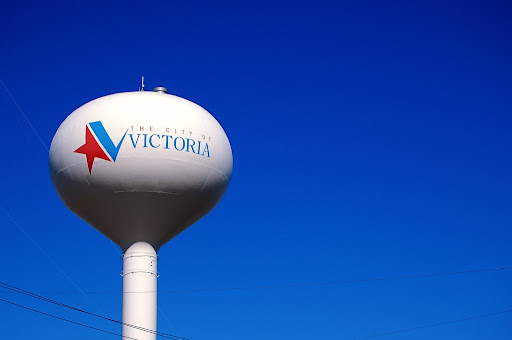 A water storage tower differs from a general tank by its elevation. By raising a water supply in the air, the force of gravity can be used to create hydrostatic pressure to distribute water supply effectively. Typically water towers are constructed of steel, which provide lifespans in excess of 100 years, and are used to send potable water throughout municipalities.
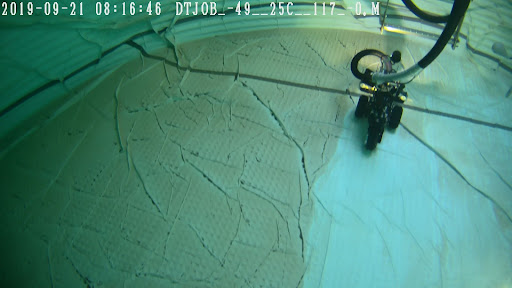
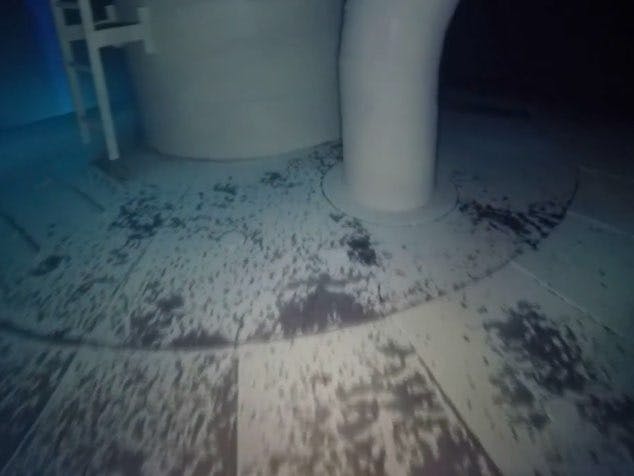
Beyond the tank itself, potable water tank inspections are crucial for good water maintenance. Over time, sediment can gather and collect along the bottom of tanks. If in small amounts, sediment has no impact on the quality of the water or on the structural integrity of the storage tank.
However, over time as that sediment builds up and mixes into thicker ‘sludge’ material, issues begin to arise. These negative effects can result in health concerns for potable water, or tank material degradation from the concentrated substances. Tank manufacturers generally recommend a minimum of one inspection and subsequent cleaning per annum. This is to ensure long-term integrity, extend the tank life, and avoid costly repairs.
Talk to us about how our ROVs improve the safety, cost and speed of water tank inspections and cleanings
At any reasonable time, an officer can conduct an inspection to ensure that stored water is abiding by safety standards. As a general rule, it is recommended that water tanks should be inspected and cleaned at a minimum of once every six months for drinking water and once a year for non-potable water.

Clean & Rinse Once emptied, workers can vacuum out any sediment, scrub the interior with a detergent, and pressure-wash rinse the interior until all traces of detergent are gone.
Disinfect Depending on the size of the tank, a calculated ratio of water and chlorine-bleach should be added and allowed to sit for a minimum of 4 hours to disinfect the tank.
Drain & Refill Once disinfected, workers can drain the tank again of the chlorine-bleach solution and refill with clean water.
Test & Repeat if Necessary To ensure that chemical levels are safe for human use after cleaning, workers should test water samples and repeat the drain and refill process if necessary.
This method can be extremely labor intensive and costly. While conducting a dry inspection and cleanout, the water tank must be completely taken out of service. This means that alternative water supply must be implemented to prevent shortages and can be logistically or economically challenging. This method also puts workers in potential danger working in confined spaces while handling chemicals. Additionally, cross contamination is always a concern whenever humans enter the tank, even if all precautions are taken.
The most notable benefit of this over dry cleaning is the ability to maintain water in the tank. Dewatering can waste thousands of gallons of water and can sideline water supplies for multiple days. However, some negative considerations of divers are the cost, risk, and time consumption.
Due to the complexity of performing submerged tasks, commercial divers undergo rigorous certification, which reflects in high hourly cost. Additionally, the associated dangers of diving in confined spaces with single exits puts divers at risk and can increase the risk premiums. Divers are also limited to their gas supply, meaning frequent resurfacing which can extend cleaning times. While proper sanitation should always be performed pre-entry, having divers directly enter the water does carry the risk of cross contamination as well.
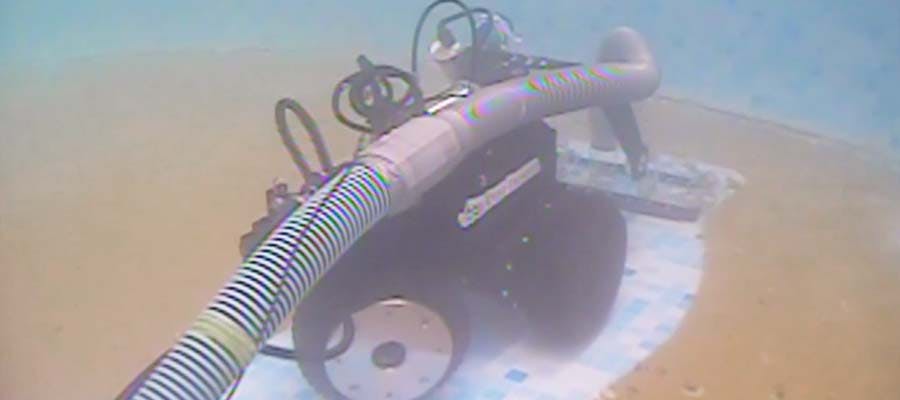
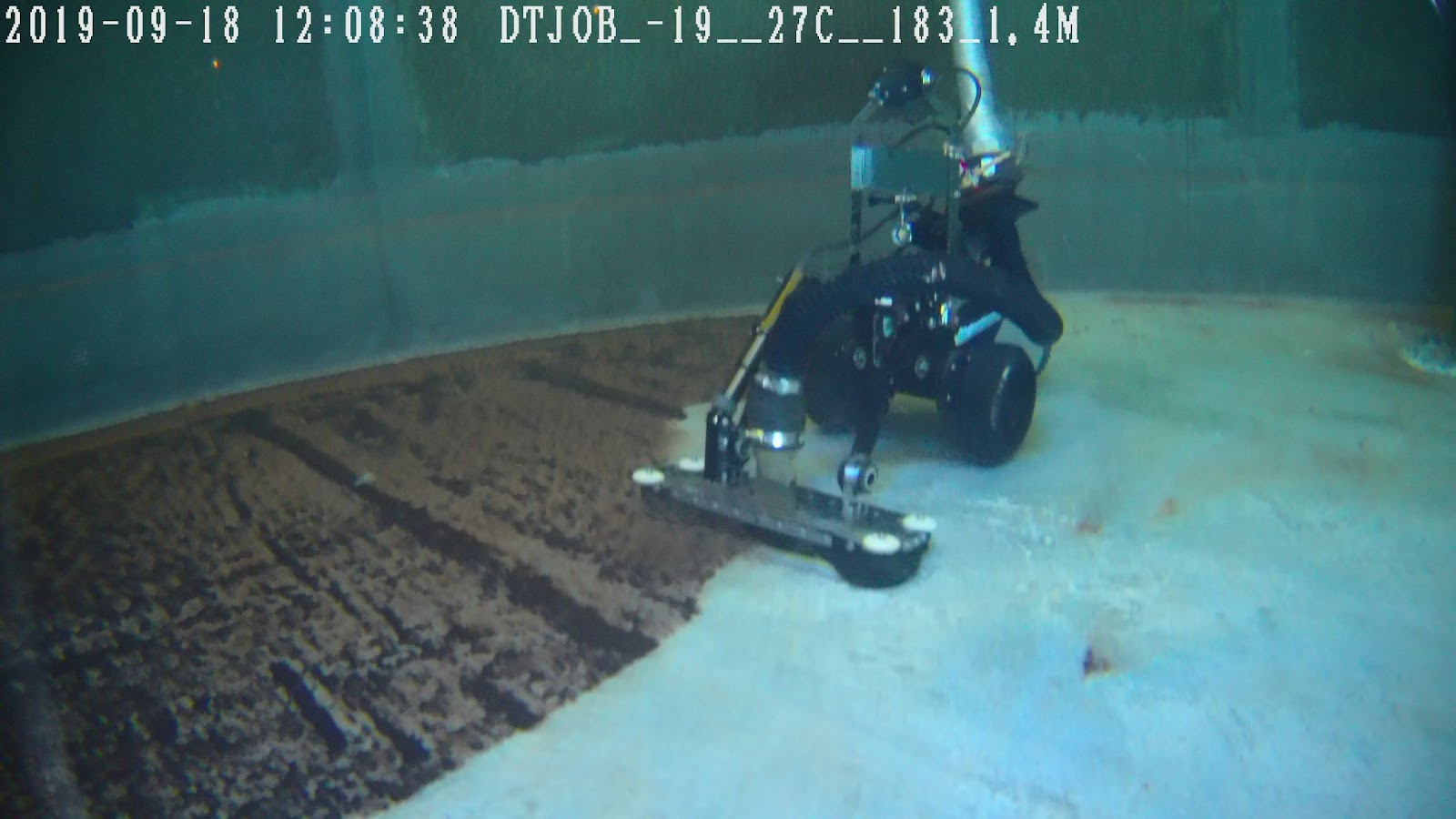 Implementing a Remote Operated Vehicle (ROV) is another option for tank inspections and cleanings without draining the tank. These vehicles come standard with HD cameras, and can be equipped with multi-intake vacuum heads and pressure washers to complete a tank cleaning fully remotely.
The disinfection process is much simpler for an ROV in comparison to humans, and can be done by simply soaking or spraying the vehicle with a solution. Thanks to extended battery lifes, cleanings can be completed quickly with zero or minimal breaks. Since the operator can remain topside, there is no risk associated with diving or entering confined spaces, and all imperfections can be easily recorded and used for asset monitoring.
For an example, we look to Ron Perrin Water Technologies. Previously, they would drain a 110ft standpipe of up to 100,000 gallons of usable water in order to clean the tank interior. After purchasing a VAC from Deep Trekker, they were able to accomplish this quicker and easier, while wasting zero water.
By using the ROV in lieu of a human diver, The Tank Inspectors not only keep humans safe but save time and money. In addition to OH&S standards regarding people in tanks and limiting the time people can actually be in the tanks, Dan noted that with the ROV “there’s a lot less set up time, divers require a lot of set up.” Furthermore, the divers require scheduling and coordinating where the VAC can be deployed quickly and conveniently.
In addition, the use of the VAC saves the Tank Inspector team significant amounts of money, estimating that the ROV is “40% of the cost of using divers.” “In fact,” Jo continued, “many diving companies themselves use the ROV to limit dive time by scoping out jobs with the DTG3 and undertaking cleans with the VAC.”
Check out the full case study here.
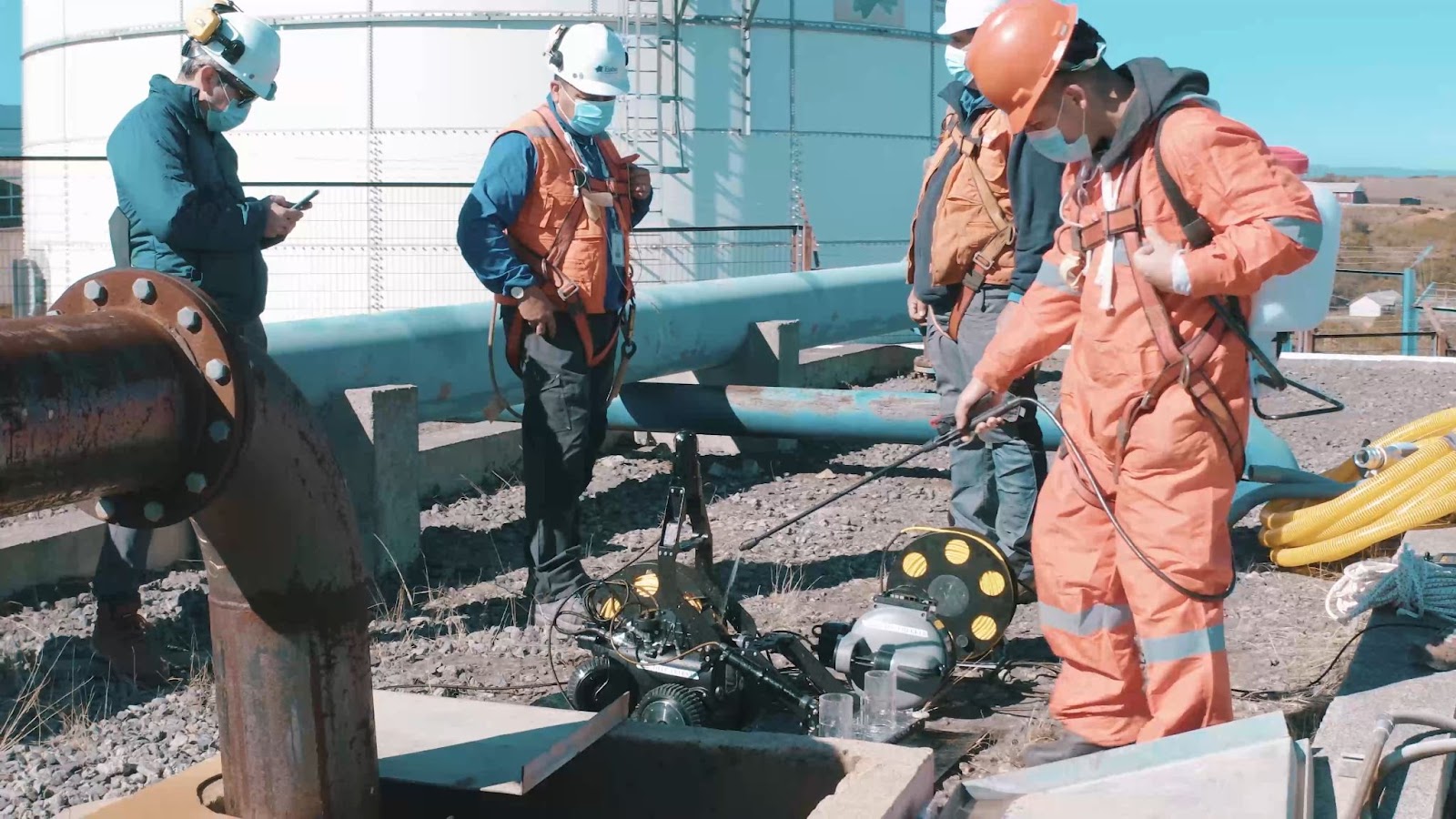
The VAC Being Sprayed with Disinfectant
For a Deep Trekker vehicle, disinfection is simple and reliable, thanks to their compact and intuitive design. To disinfect, simply spread the vehicle and tether on a clean and disinfected ground sheet. Then, thoroughly spray down materials with a chlorine-bleach disinfection solution. Alternatively, the vehicle and tether can also be soaked in the solution. Note that all plastic ropes and cables, used to hoist a vehicle for example, must be treated in the same manner.
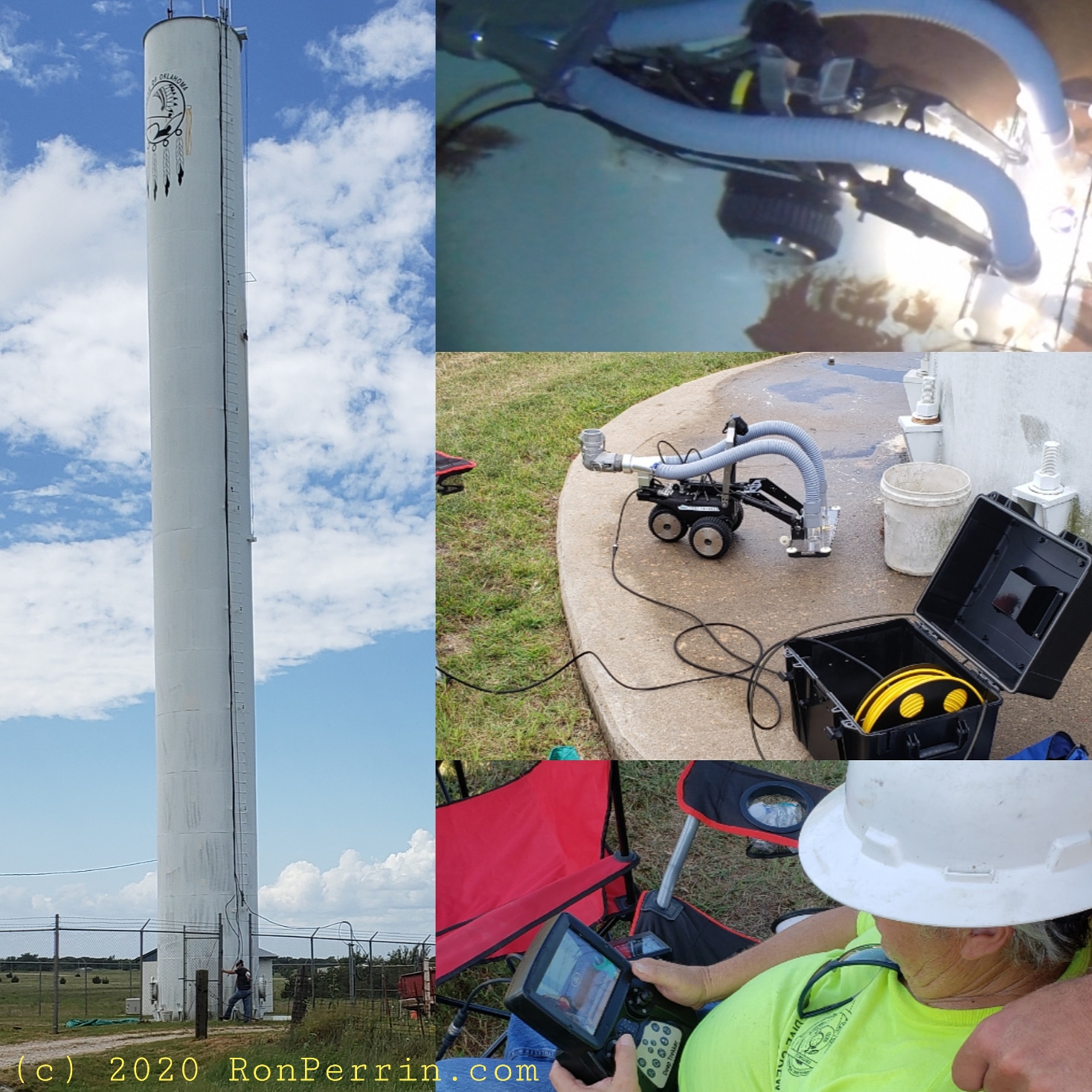
Ron Perrin Water Technologies Hoisting a VAC up a 110ft Standpipe
The handheld controller and tether system are also designed with portability in mind. Replacing large control consoles and bulky tether is essential for maneuverability. The included tether utilizes a polyurethane outer jacket with embedded synthetic fibers to achieve a 200lbs working strength at under ¼ inch diameter to fit on a compact reel system. The combination of controller, tether, and battery powered vehicle simplifies working at heights and provides superior portability between jobs.

March 17th, 2026
Two-day AIMS training program teaches SAR teams how to integrate sonar...
March 11th, 2026
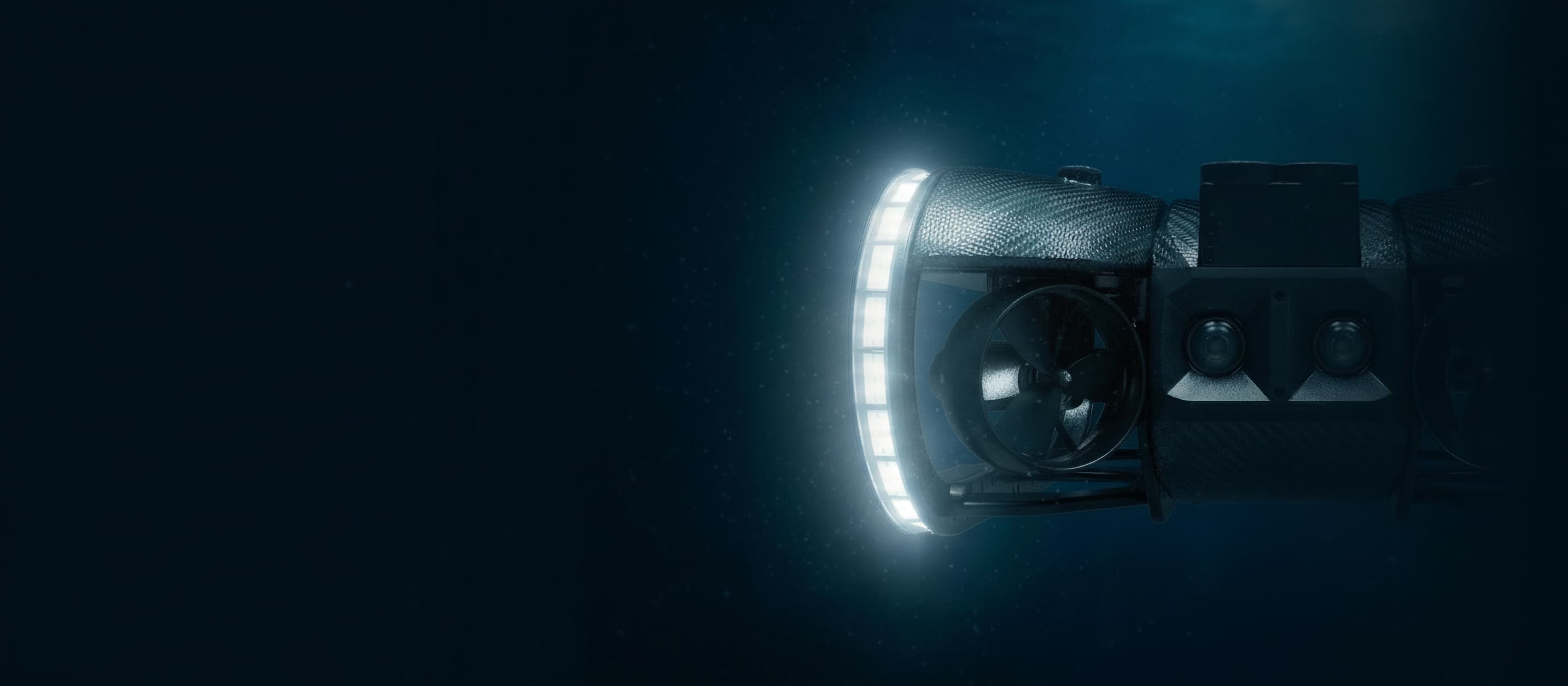
Deep Trekker’s SPECTRA ROV integrates 3D Sonar SLAM, 4K stereo vision,...

November 3rd, 2025
At REPMUS 2025, Deep Trekker’s ROVs validated real-world mine countermeasure capabilities...