Configure Now
Items in Your Cart0
0Items in Your Cart
Start building your packageShop Now
Underwater ROVs are used across many industries for a widely varied range of tasks. What these sectors share is a need to inspect submerged assets on a schedule, in conditions where diver access is limited by depth, duration, contamination, confinement, or current.
Specification priorities differ by sector. Depth rating drives the decision offshore. Confined access and sonar performance matter more in municipal water infrastructure. Deployment speed matters most in emergency response. The sections below cover how each industry uses ROVs and what to prioritize.
New to ROVs? Start with the complete guide to how underwater ROVs work.
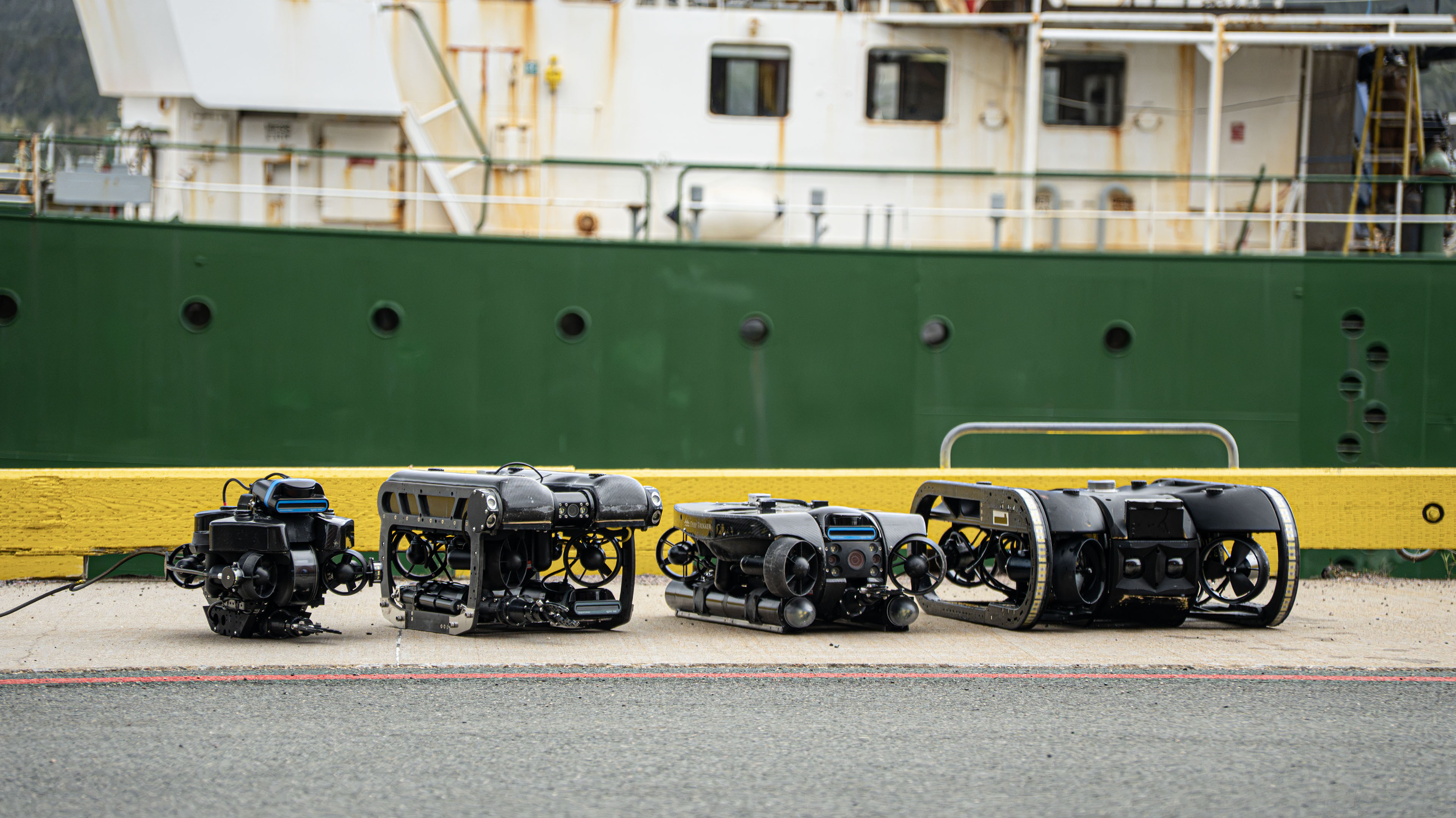
Underwater ROVs are grouped into five capability classes. Deep Trekker builds within Class I and Class II.
How ROV classes work, and where each Deep Trekker system fits.
The operational case is consistent across sectors. ROVs reach depths, durations, and conditions that fall outside safe diver limits, and they hold position long enough to complete a thorough inspection rather than a time-limited one. They deploy quickly from shore, dock, or a small vessel without a support crew. They record video and sonar data that can be reviewed, reported, and compared against previous inspections.
Deployed alongside a dive team, an ROV verifies conditions before anyone enters the water, and gives topside supervisors a live view of divers during the operation. The result is more inspection coverage per mobilization, better documentation, and less exposure for the people in the water.
Need Help Choosing What ROV is Best for Your Application? Here is Our Comprehensive ROV Buyer’s Guide to Help You Identify the Right Model.
The ten sections below run in order of how much underwater work each sector generates. Offshore and subsea comes first because it accounts for the largest share of commercial ROV time.
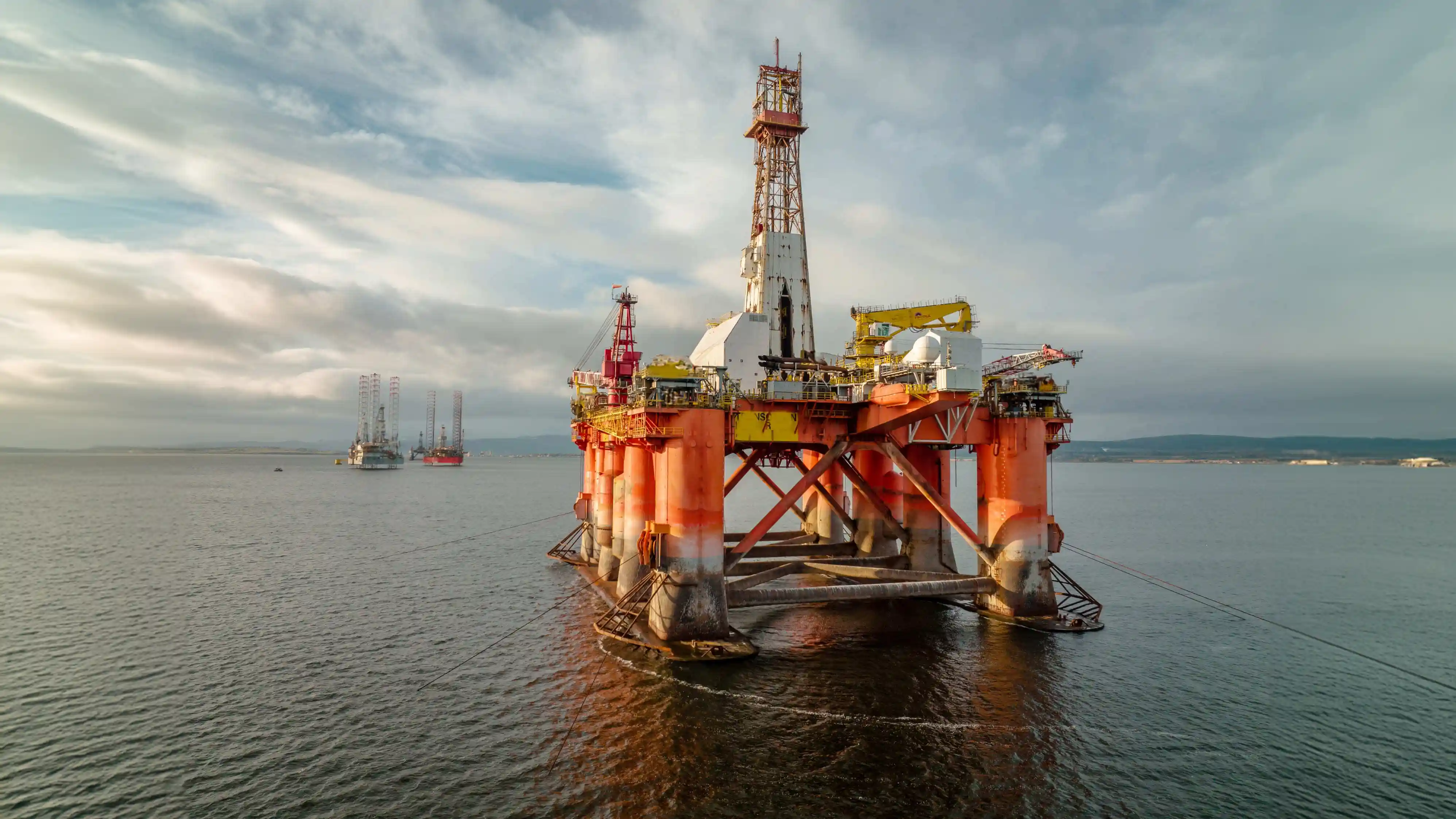
Offshore operators run inspection, repair, and maintenance programs on subsea assets. The list covers pipelines, risers, jackets, moorings, wellheads, and FPSO hulls.
Three conditions define the work. Current is strong, visibility is often poor, and the structures are geometrically complex. All three punish a vehicle that cannot hold station.
A subsea ROV inspection produces close visual coverage of welds, anodes, and coatings. Sonar fills in wherever the water is too turbid for optics. Positioning data ties every finding to a location on the asset.
Depth rating comes first, and it should include margin above the deepest point in scope. A 300 m vehicle on a 280 m job leaves no room.
Station holding matters just as much. A vehicle that drifts in a 2 knot current forces the pilot to fly instead of inspect, and coverage suffers.
Cross-current control is the detail most buyers miss. Forward-biased thruster layouts lose lateral authority first, which is exactly what you need around a riser or a jacket leg.
Tether length sets your working radius from the deployment point. Neutrally buoyant tether cuts drag and is worth specifying for any standoff scope.

A share of subsea inspection work has historically gone to Class III vehicles by default. Not because the scope needed intervention, but because no portable system could hold position or capture data well enough.
That gap has narrowed. SPECTRA is rated to 1,000 m and holds station in 2.3 knots from any direction. It stays hand deployable.
The practical effect is on mobilization. An inspection scope that once needed a support vessel and a launch and recovery system can run from a workboat with a two person crew.
See more on offshore wind, oil, and gas applications.

Defense teams run four broad ROV scopes: mine countermeasures, explosive ordnance disposal, port and harbor security, and pre-dive reconnaissance.
Each one puts a vehicle in front of a person. An ROV can approach, image, and classify a suspect object while the team stays at standoff distance.
Identification is the bottleneck in MCM work. Sonar finds contacts, but someone has to determine what each contact actually is.
An ROV closes that loop. It flies to the contact, images it, and gives the operator enough detail to classify without a diver in the water.
For disposal, the vehicle can carry and place a charge. The team stays clear throughout.
Naval teams survey hulls and running gear pierside rather than in a yard. Fleet availability depends on catching damage, fouling, and foreign objects before they force an unscheduled docking.
The same vehicle checks pier and quay wall condition, mooring points, and harbor approaches. Most of this work happens alongside, which favors a system a small team can carry down a ladder.
Read more about ROVs in defense.
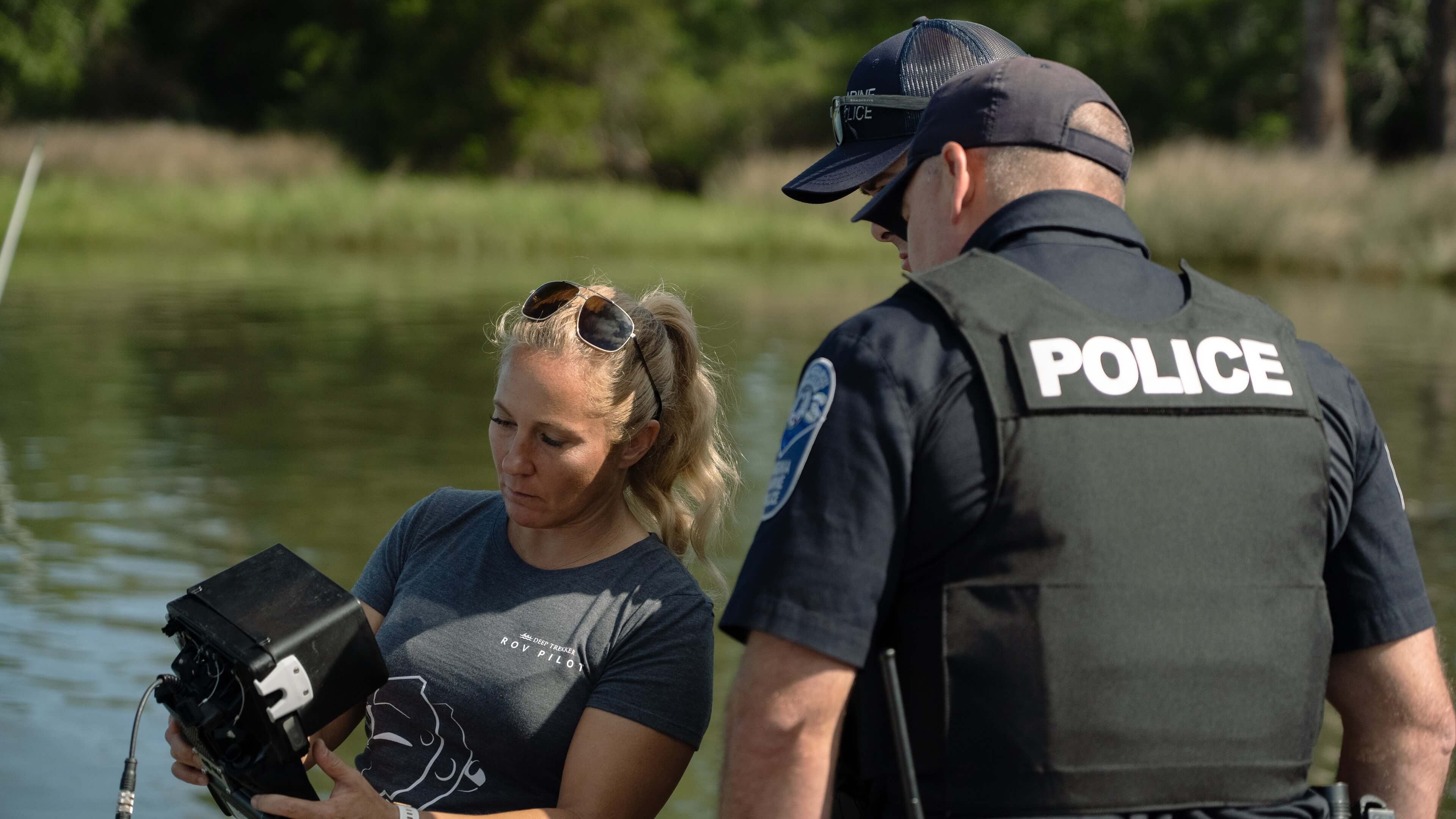
Law enforcement, fire, and emergency response teams use ROVs to locate submerged vehicles, evidence, weapons, and missing persons.
Most of this work happens in bad water. Rivers, lakes, retention ponds, and flood zones are usually near zero visibility, often moving, and sometimes contaminated.
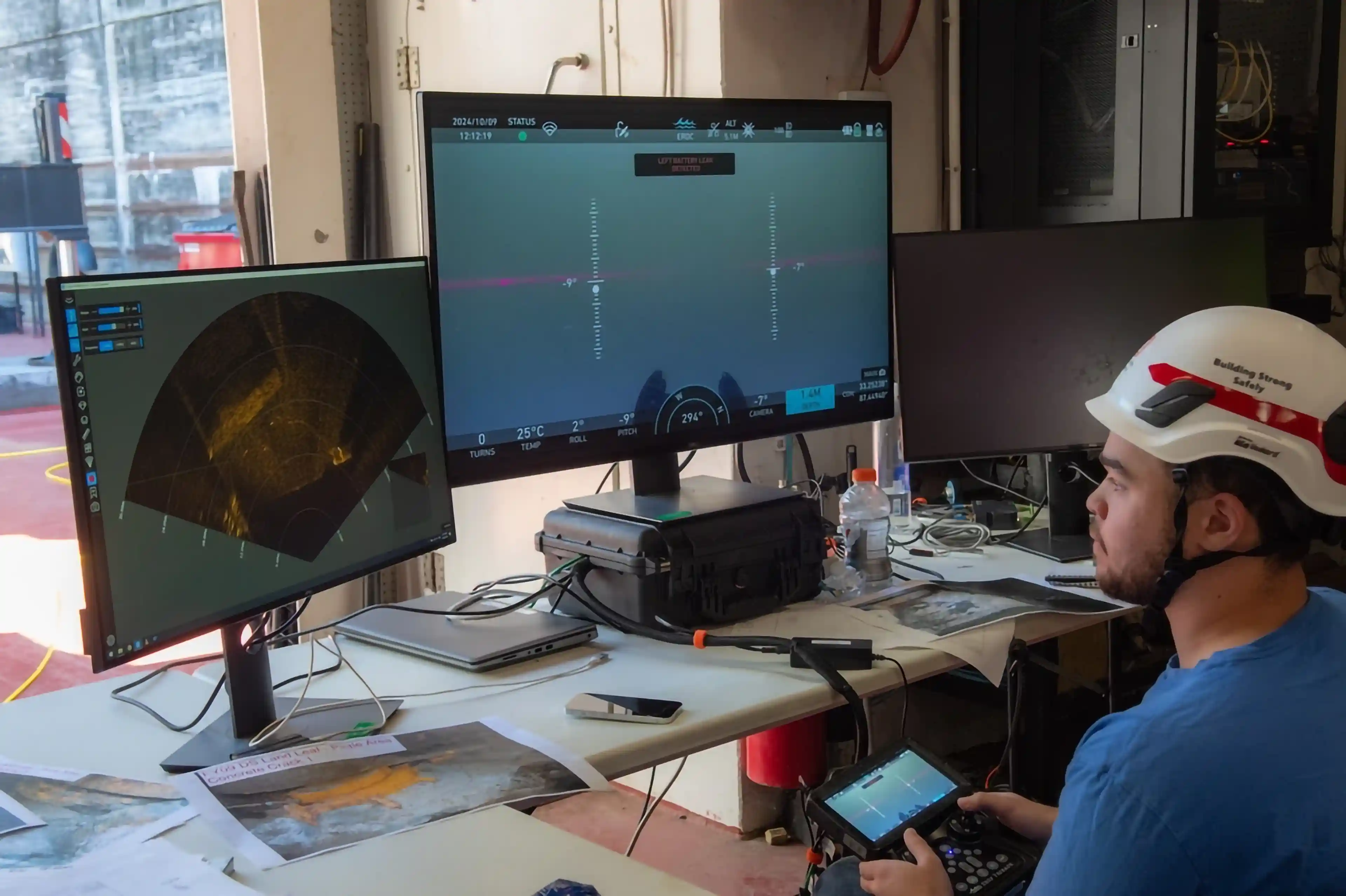
Optical cameras fail first in turbid water. Imaging sonar keeps working, so it becomes the primary search sensor rather than an add-on.
The vehicle sweeps the area and builds a picture of the bottom. Once a target looks promising, the camera and lights confirm it at close range.
Search and recovery is the one sector where setup time is the specification that matters most. A vehicle in the water in five minutes beats a better vehicle in the water in forty.
Battery power and a handheld controller remove the generator and the topside spread. A single responder can carry the case to the water's edge.
Sending the vehicle first also narrows the search area. The dive supervisor gets a target and a set of conditions before anyone enters the water.
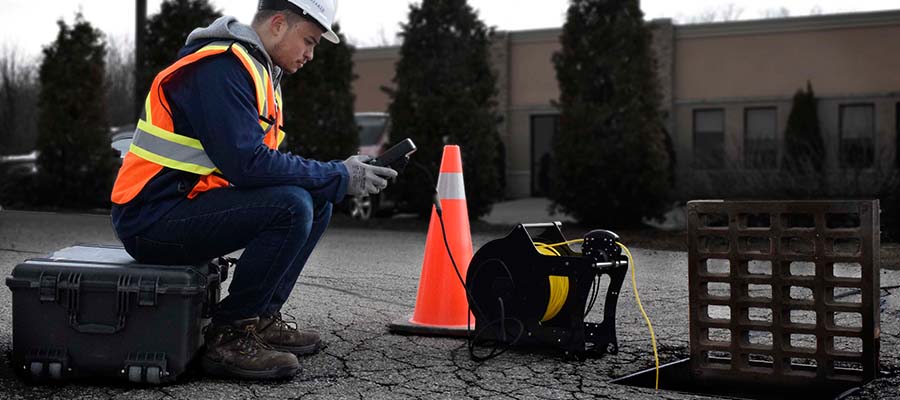
Routine inspections are critical for maintaining the integrity of municipal infrastructure, including dams, reservoirs, and bridges. Underwater inspections, however, can be risky and challenging. ROVs offer a safe and efficient solution for inspecting submerged infrastructure, such as pipeline inspections, without putting divers in potentially dangerous conditions.
By using ROVs, municipalities can conduct regular, thorough inspections to identify issues like corrosion, blockages, or structural damage. This proactive approach helps ensure the long-term safety and functionality of vital infrastructure, while minimizing downtime and reducing operational risks.
Learn about Deep Trekker products and the easy-to-use solutions for infrastructure inspections.
Read more: Aging Infrastructure Inspections: Surveying the Dinosaur
ROVs are essential tools in the nuclear, hydroelectric, and offshore energy sectors, where underwater inspections of critical infrastructure are required for safety and maintenance.
In nuclear power plants, ROVs monitor reactor cooling systems, inspect reactor heads, and check submerged components, minimizing manual inspections in high-radiation areas.

For hydroelectric facilities, ROVs inspect intake structures, trash racks, turbines, and underwater concrete for wear, corrosion, and organic buildup. They also assess damage from invasive species, reducing the need for dewatering and costly scaffolding.
Offshore energy platforms utilize ROVs to inspect and maintain subsea pipelines, wells, and risers, ensuring early detection of wear, corrosion, or leaks. ROVs provide a remote, efficient, and safe inspection solution, enhancing the reliability of energy infrastructure while reducing risks to personnel and the environment.
Underwater ROVs are increasingly used for periodic inspections of boat hulls, both during transit and when entering ports, to ensure structural integrity, detect invasive species, and prevent contraband smuggling. With their ability to quickly and accurately assess a vessel’s condition, ROVs offer a cost-effective and user-friendly solution for marine surveys, hull inspections, and ballast tank assessments.
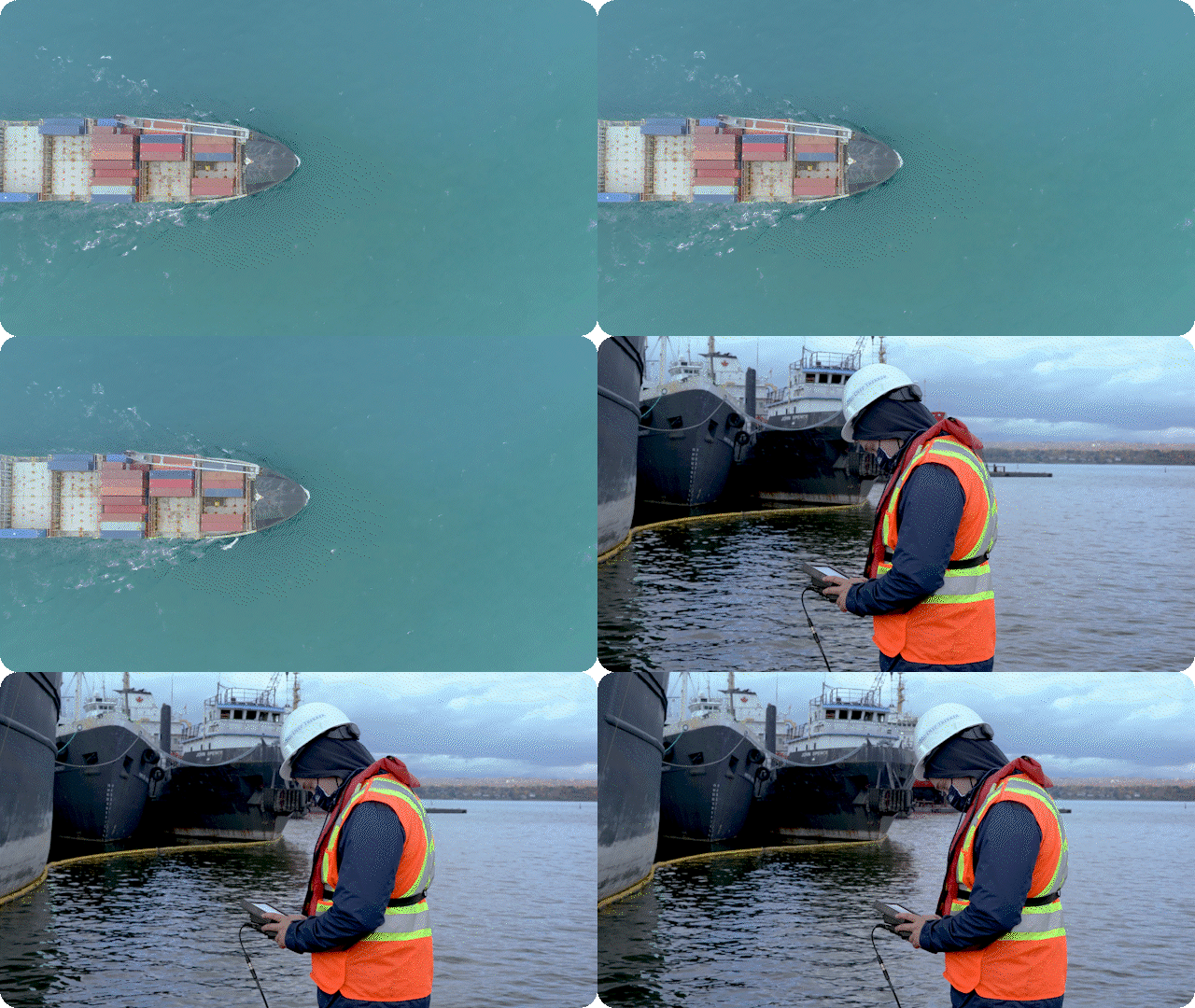
By eliminating the need for divers, ROVs reduce operational risks and costs, allowing for more frequent inspections without disrupting schedules. Their versatility in detecting damage, biological threats, and illegal activity makes them an essential tool for maintaining safety and compliance in the maritime industry.
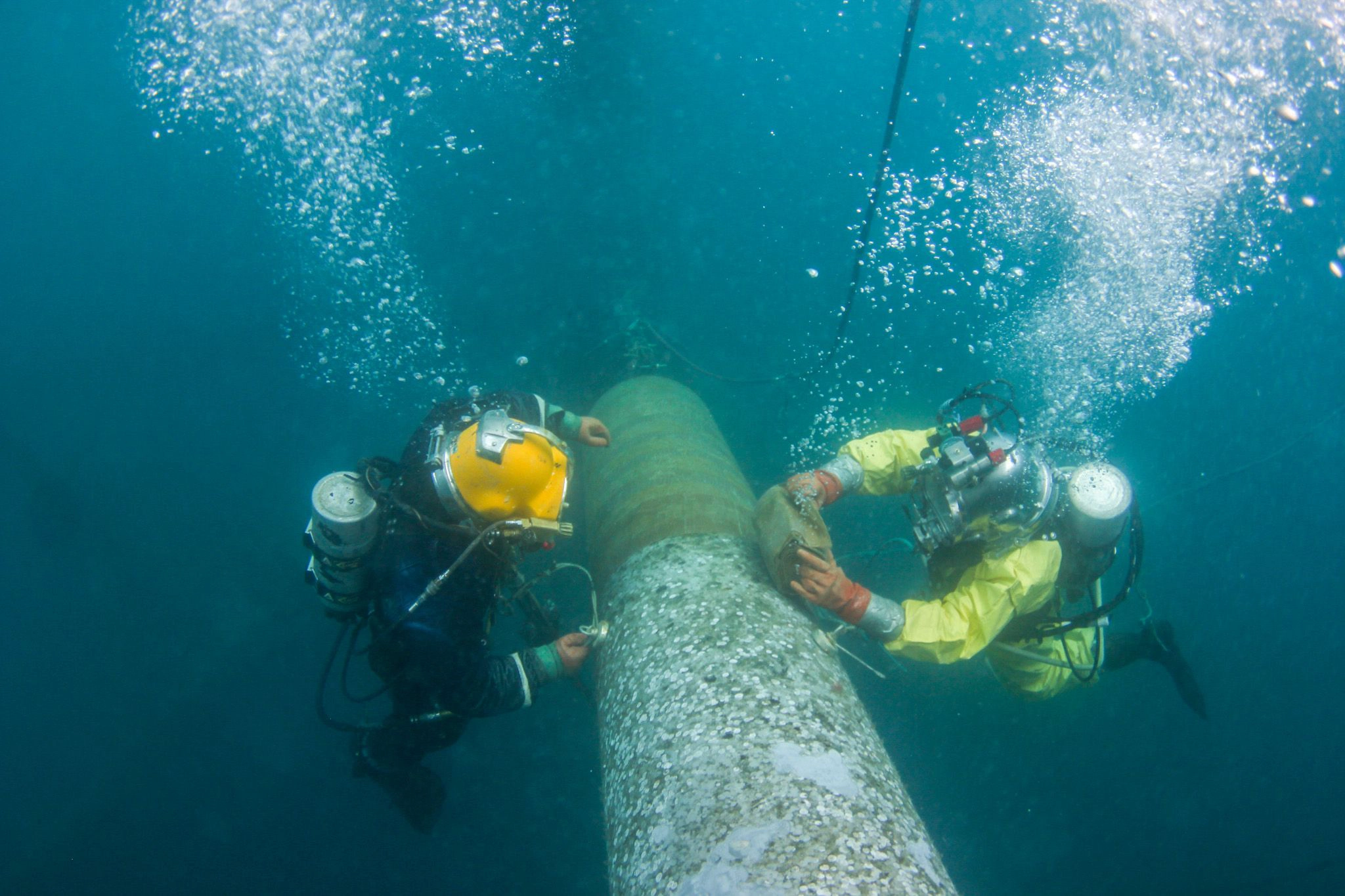
Underwater ROVs are essential tools for commercial diving operations, enabling inspections in confined spaces like water tanks, pipes, and intake structures, as well as in open water for hull inspections or salvage missions. By deploying an underwater ROV, dive teams can assess sites before human intervention, ensuring conditions are safe.
In hazardous environments, ROVs can be sent in place of divers, reducing the risk of injury or fatality. This not only improves safety but also increases operational efficiency, as ROVs can perform inspections in dangerous or challenging conditions without requiring human presence underwater.
Discover how combining divers and ROVs maximizes efficiency, safety, and effectiveness in underwater operations. Learn the strengths of each and how they work together.
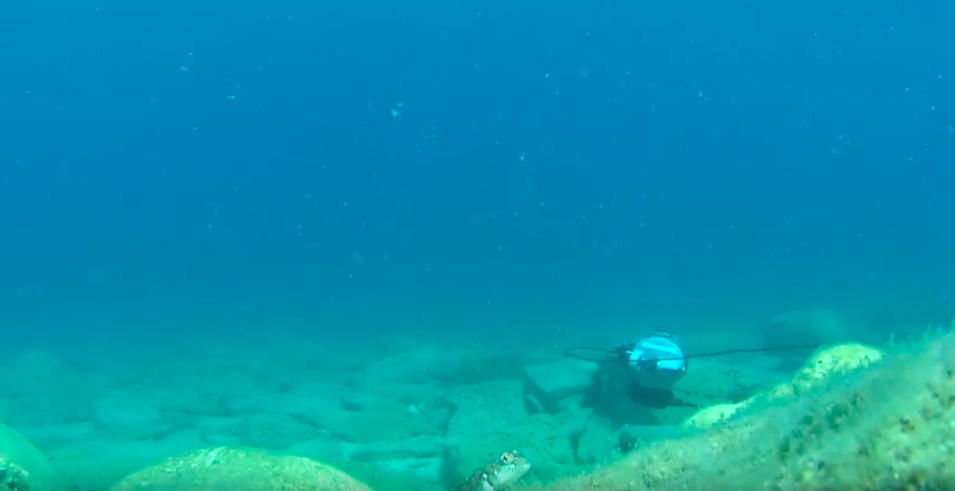
Underwater ROVs play a vital role in marine science by aiding in environmental research and oceanic surveys. They allow scientists to gather valuable data on marine life, ecosystems, and underwater geology without the high costs or risks associated with traditional diver-based methods.
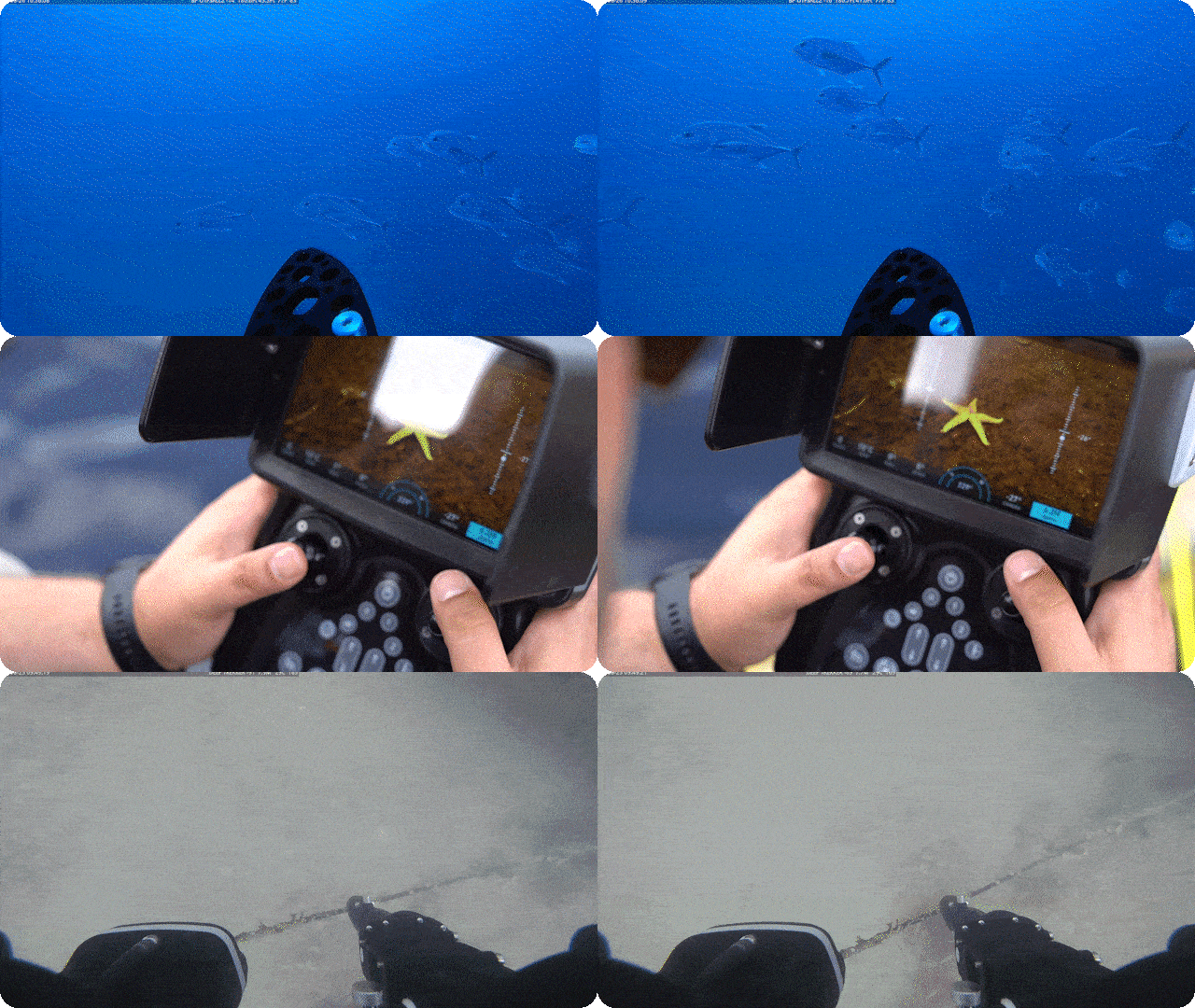
By providing real-time video footage and the ability to collect samples from difficult-to-reach areas, ROVs help researchers conduct thorough studies while reducing the need for costly and time-consuming dive operations. This makes them a cost-effective alternative, enabling research organizations to maximize their funding and achieve more comprehensive results in less time.
Explore how Marine Science benefits from ROV technology to improve environmental monitoring and enhance research efforts for more efficient and precise results.
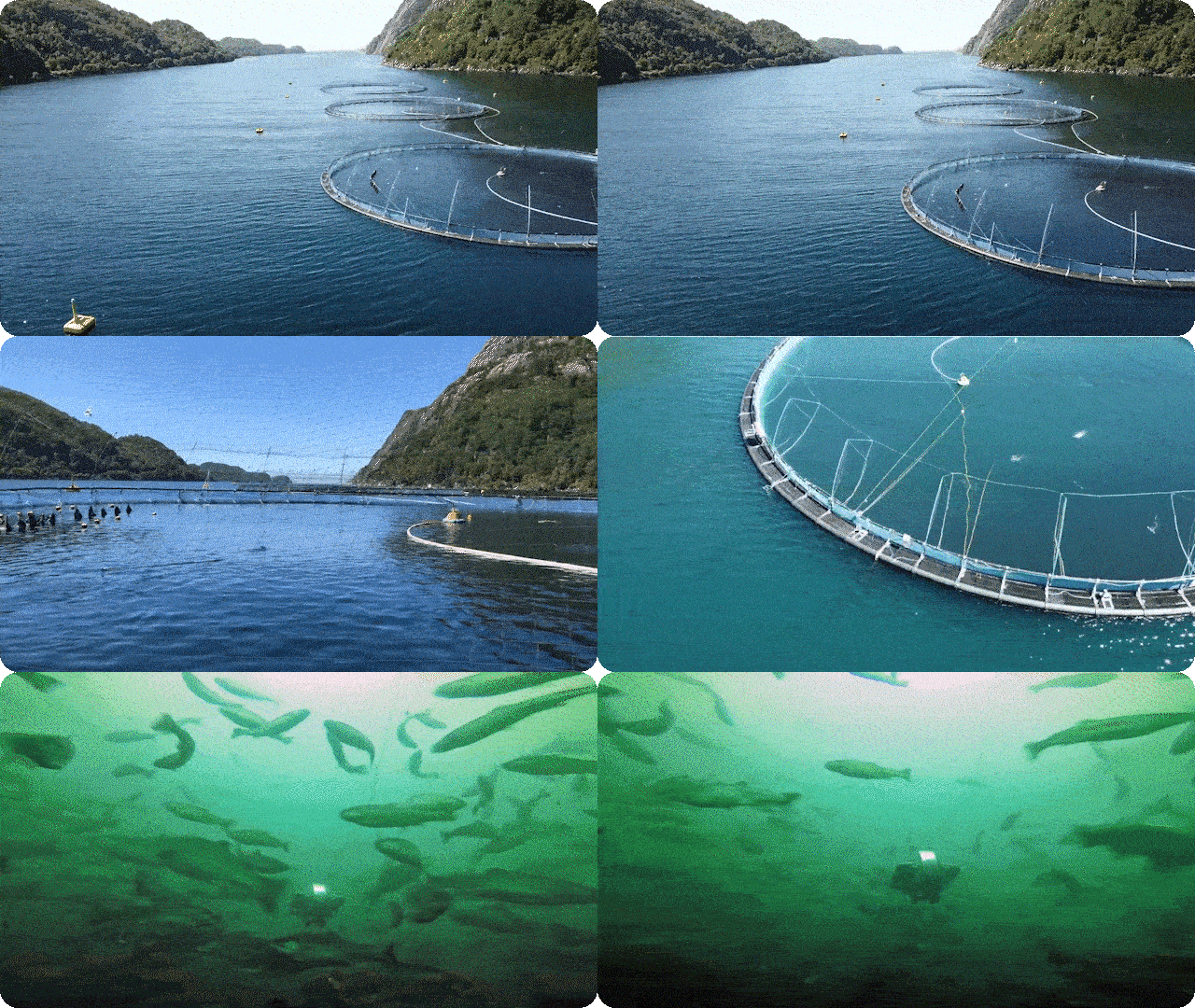
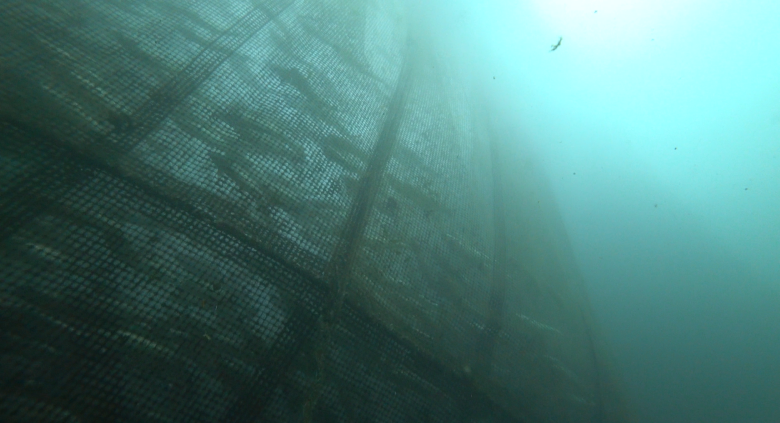
Aquaculture supports global food security and livelihoods, with ROVs playing a crucial role in improving farm management. These vehicles enable efficient net inspections, quickly identifying damage, wear, or biofouling that could lead to stock loss or predator intrusion. High-definition cameras and sonar provide precise monitoring, helping operators address issues promptly.
ROVs also enhance stock monitoring by allowing unobtrusive observation of fish behavior and health. Integrated sensors measure key environmental parameters like oxygen levels and temperature, ensuring optimal conditions for fish welfare and growth. During feeding, ROVs help optimize distribution and minimize waste, reducing costs and environmental impact.
By offering a safe and cost-effective alternative to divers, especially in challenging weather, ROVs streamline troubleshooting and maintenance of submerged equipment. Their efficiency and adaptability make them an indispensable tool for sustainable aquaculture operations.
Uncover how MOWI saved $3.7M in dive costs using Deep Trekker ROVs for net inspections and fish monitoring, improving safety and efficiency in aquaculture.
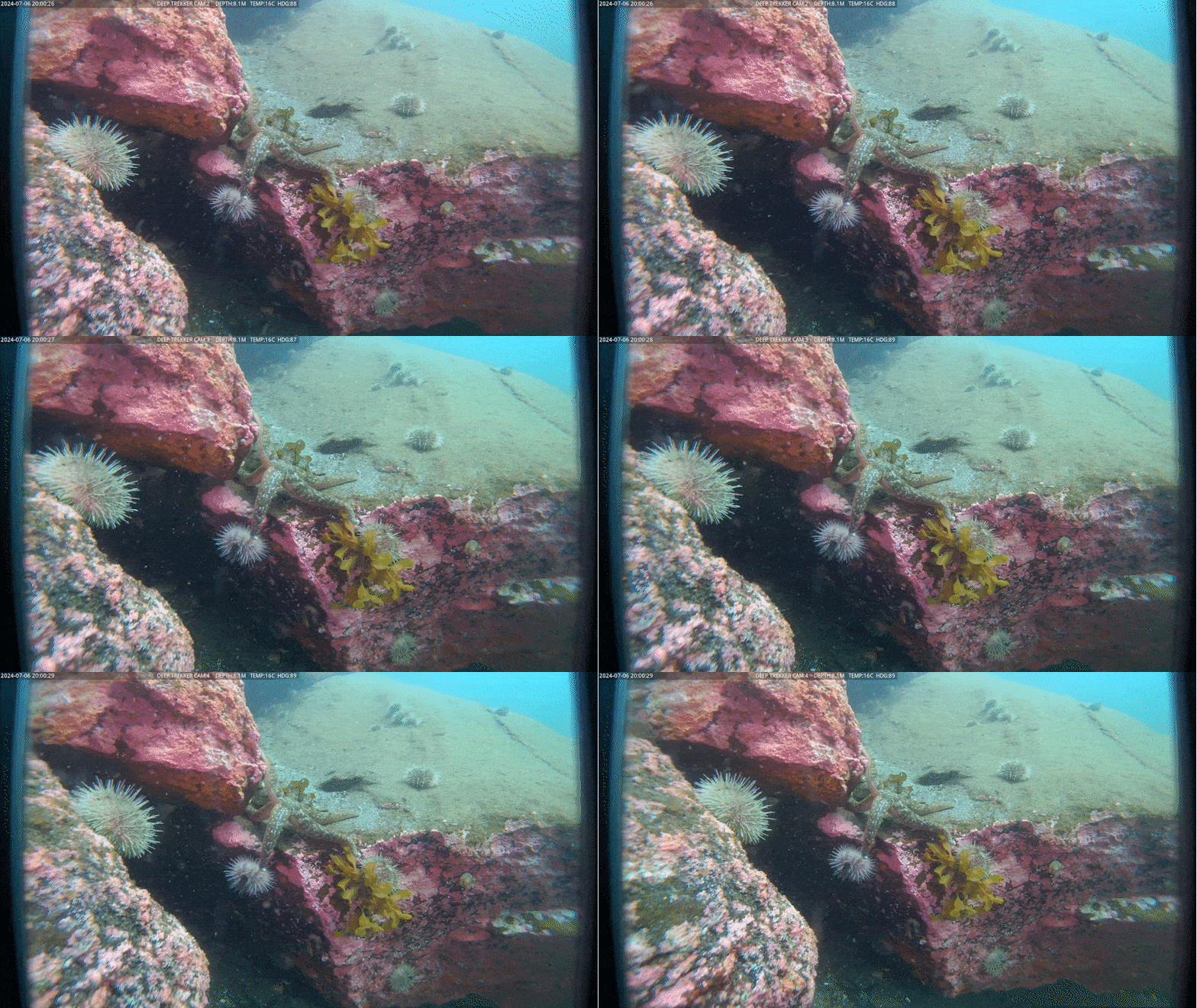
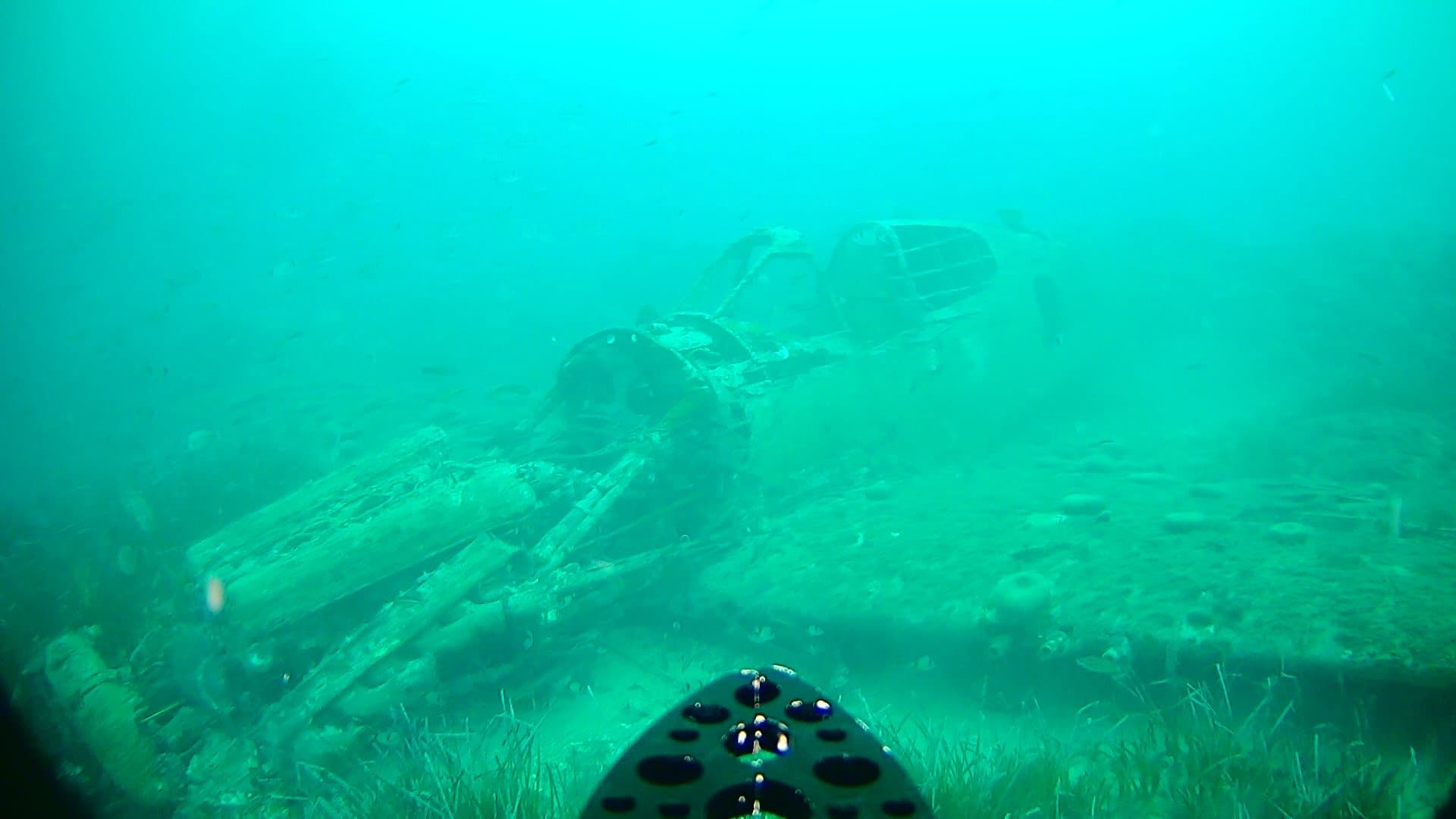
The quest to understand the unseen world beneath the waves has led to the increased use of ROVs in exploration expeditions. These specially designed vehicles, equipped with high-definition cameras and sensors, provide critical support for diver teams by capturing detailed images and video footage of underwater environments.
Underwater ROVs allow researchers and explorers to safely investigate deep-sea ecosystems, shipwrecks, and geological formations without the risks associated with deep dives. Their ability to access remote and hazardous locations makes them an invaluable tool for scientific discovery and marine archaeology, expanding our knowledge of the underwater world.
Learn how scuba divers use Deep Trekker ROVs for site checks, monitoring, training, and more to enhance exploration underwater.
The future of underwater ROVs is defined by advancements in assisted navigation, imaging, and sustainability. Integration with artificial intelligence and machine learning will allow ROVs to operate with assisted navigation, identifying objects, mapping terrains, and detecting structural anomalies in real time. Enhanced imaging technologies like high-definition sonar and 3D mapping will improve precision across applications, from infrastructure inspections to deep-sea exploration.

Emerging industries such as offshore wind and tidal energy will rely heavily on underwater ROVs for maintenance and monitoring, while miniaturized and long-endurance models will tackle niche tasks like pipeline inspections and environmental monitoring. As ROVs continue to evolve, their role will expand to new frontiers, including collaborative missions with AUVs and even extraterrestrial exploration of subsurface oceans on icy moons. These innovations position ROVs as critical tools in addressing the challenges of tomorrow.
A growing number of offshore, defense, and maritime missions require deeper, higher-current inspection without the logistics of a Class III vehicle. SPECTRA sits at the upper boundary of Class II. Its depth rating, thrust, and onboard perception stack support inspection and survey scopes that have traditionally required a larger vehicle and a heavier deployment footprint, while remaining hand deployable. It is not a Class III vehicle and does not carry a work class manipulator package.
Rated to 1,000 m, SPECTRA delivers high-current stability, real-time 3D perception, and factory-calibrated stereo vision in a hand-deployable platform.

Rather than bolting sensors onto an existing hull, SPECTRA was designed from the ground up around two mission profiles: high-current cleaning and inspection in the splash zone, and high-resolution photogrammetry at depths down to 1,000 m. That focus shaped its propulsion, perception, and lighting systems:
| Specification | Detail |
|---|---|
| Depth Rating | 1,000 m (3,280 ft) |
| Forward Speed | 3.5 knots |
| Lateral Movement | 2.3 knots |
| Station Holding | 2.3 knots current, any direction |
| Thrusters | 7 (4 vectored, 3 vertical), 40 kg thrust |
| Camera | Rotating dual 4K stereo, 12 MP images, up to 60 fps |
| Lighting | 300,000 total lumens, camera-tracking LED array |
| Perception | Real-time 3D Sonar SLAM + integrated photogrammetry |
| Weight (in air) | 38 kg (84 lbs) — hand-deployable |
| Serviceability | Major subsystems swappable in under 30 min |
| Standard Tether | 300 m fiber (km+ options available) |
SPECTRA is optimized for offshore Inspection, Repair and Maintenance (IRM) work and extends into any sector where current, depth, or low visibility push compact ROVs to their limits:
Underwater exploration, inspection and monitoring is critical across various industries. As more and more industries find new ways to utilize ROVs, the market continues to expand. At Deep Trekker, our vision is to make the underwater world accessible to everyone.
To do so, we offer robust, capable, and easy-to-use underwater ROVs that can be deployed within a moment’s notice - to gather data and to serve as an accompaniment during diving missions. Deep Trekker ROVs provide industries with the tools they need for accurate and safe underwater inspections and monitoring.
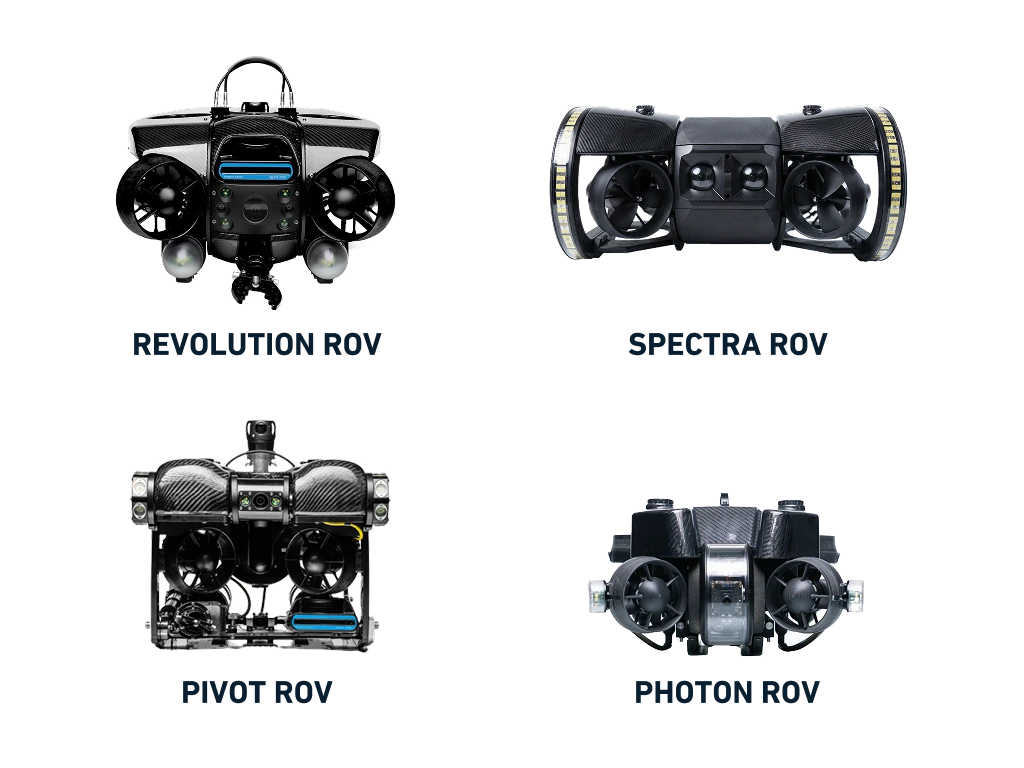
To learn more about our submersible ROVs or to receive a customized quote, visit our website or contact us today.
Learn more about which underwater ROV is best for your application.

March 17th, 2026
Two-day AIMS training program teaches SAR teams how to integrate sonar...
March 11th, 2026
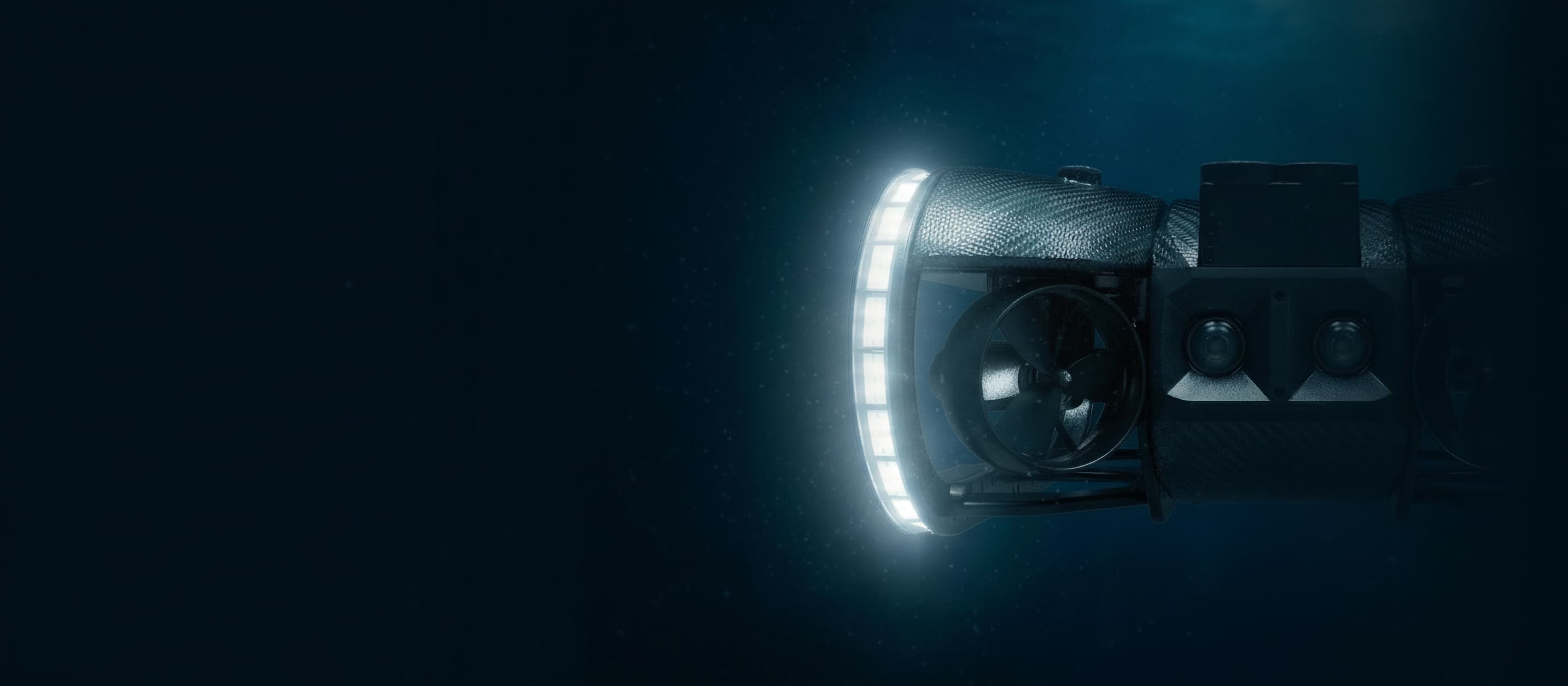
Deep Trekker’s SPECTRA ROV integrates 3D Sonar SLAM, 4K stereo vision,...
November 3rd, 2025
At REPMUS 2025, Deep Trekker’s ROVs validated real-world mine countermeasure capabilities...